
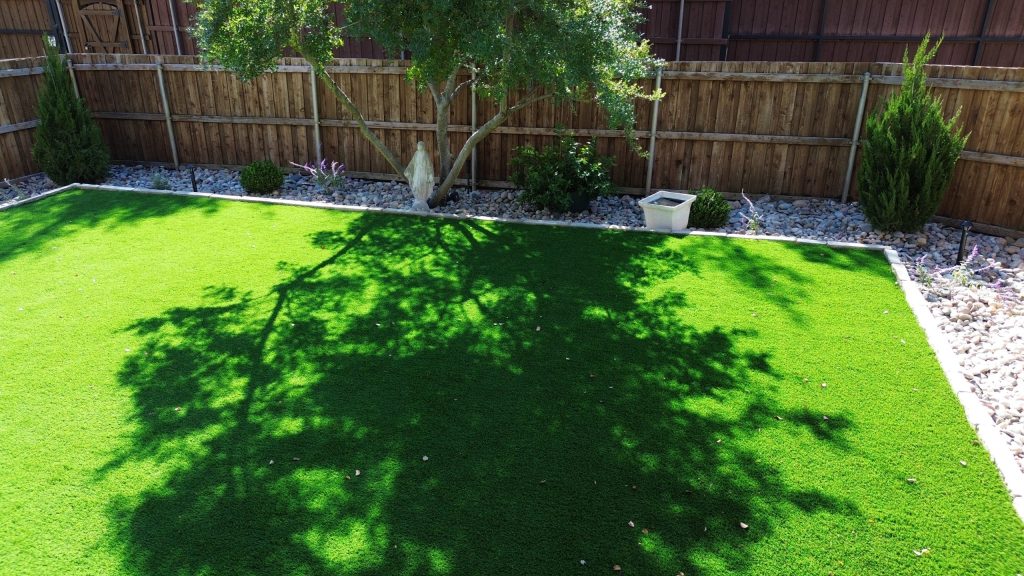
Landscape Trimming Safety Tips to Prevent Damage
If your shrubs or hedges in Plano, TX are getting overgrown, it can be tempting to grab the trimmer and “clean it up” fast. A rushed trim is also when we see damaged branches, torn landscaping edges, and accidental hits to irrigation lines.
This guide helps you trim with confidence. You will learn what to check before you cut, how to avoid common mistakes, and how to keep your landscape looking sharp without creating costly repair work.
- Quick answer
- What to check first
- Main things customers should understand
- Why this matters in Plano, TX
- Common mistakes to avoid
- Customer checklist
- Frequently asked questions
Quick Answer
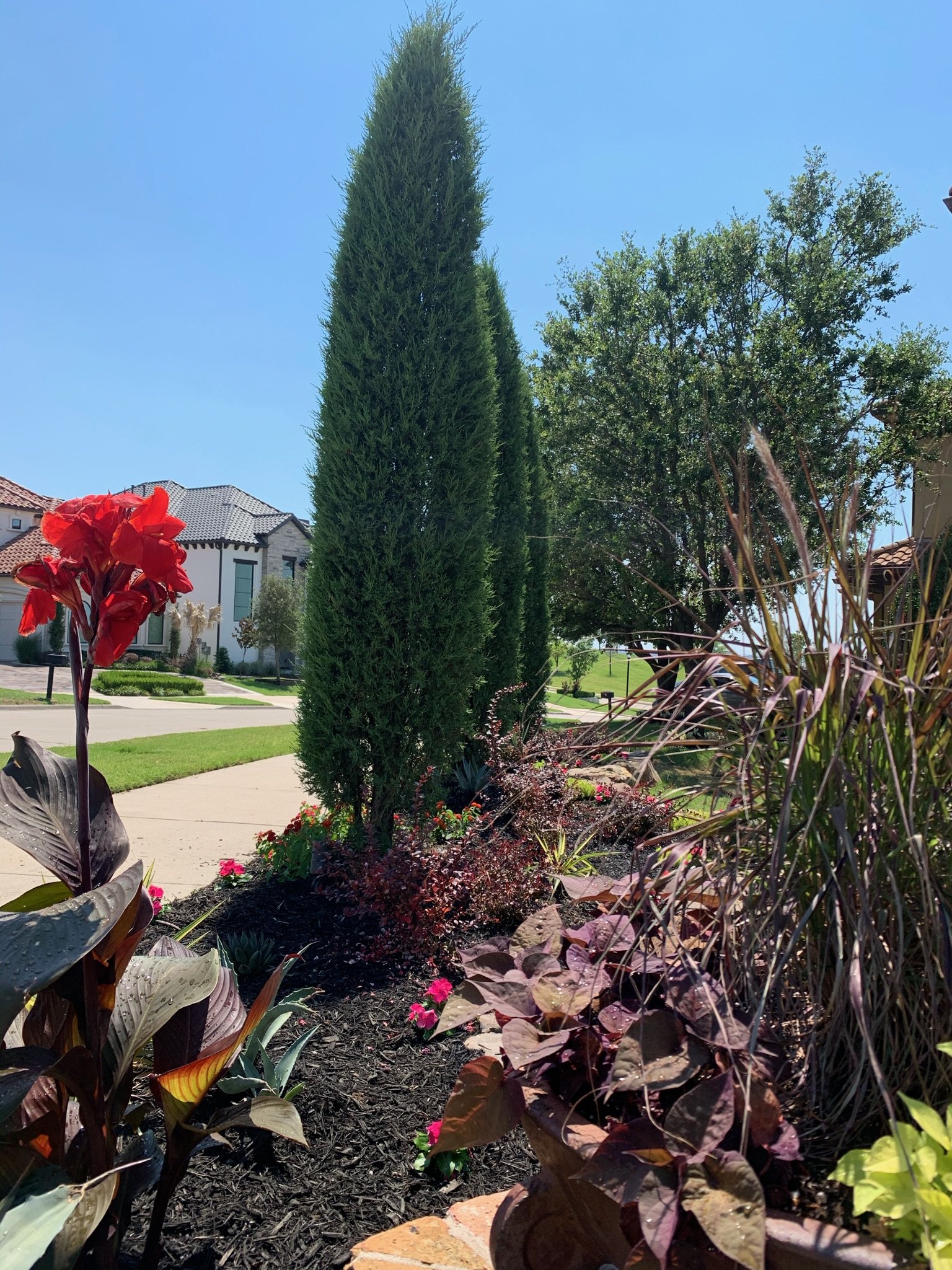
To prevent damage during landscape trimming, slow down before you cut. Inspect the area for irrigation heads, sprinkler lines, low-voltage landscape lighting, and nearby hardscape edges. Use sharp tools, remove only what is needed, and keep cuts controlled to avoid tearing stems or leaving ragged edges. If you are unsure where utilities run, pause and plan a safer approach. For ongoing landscape maintenance in Plano, TX, working with a local landscaping team can reduce the risk of accidental damage to plants and systems.
What to Check First
Before you trim any shrubs, hedges, or small trees, walk the perimeter and treat it like a “no surprises” inspection. In Plano, TX yards often include irrigation and outdoor lighting near the same places you want to shape foliage, so a quick look can save you from bruising plants or breaking something underground.
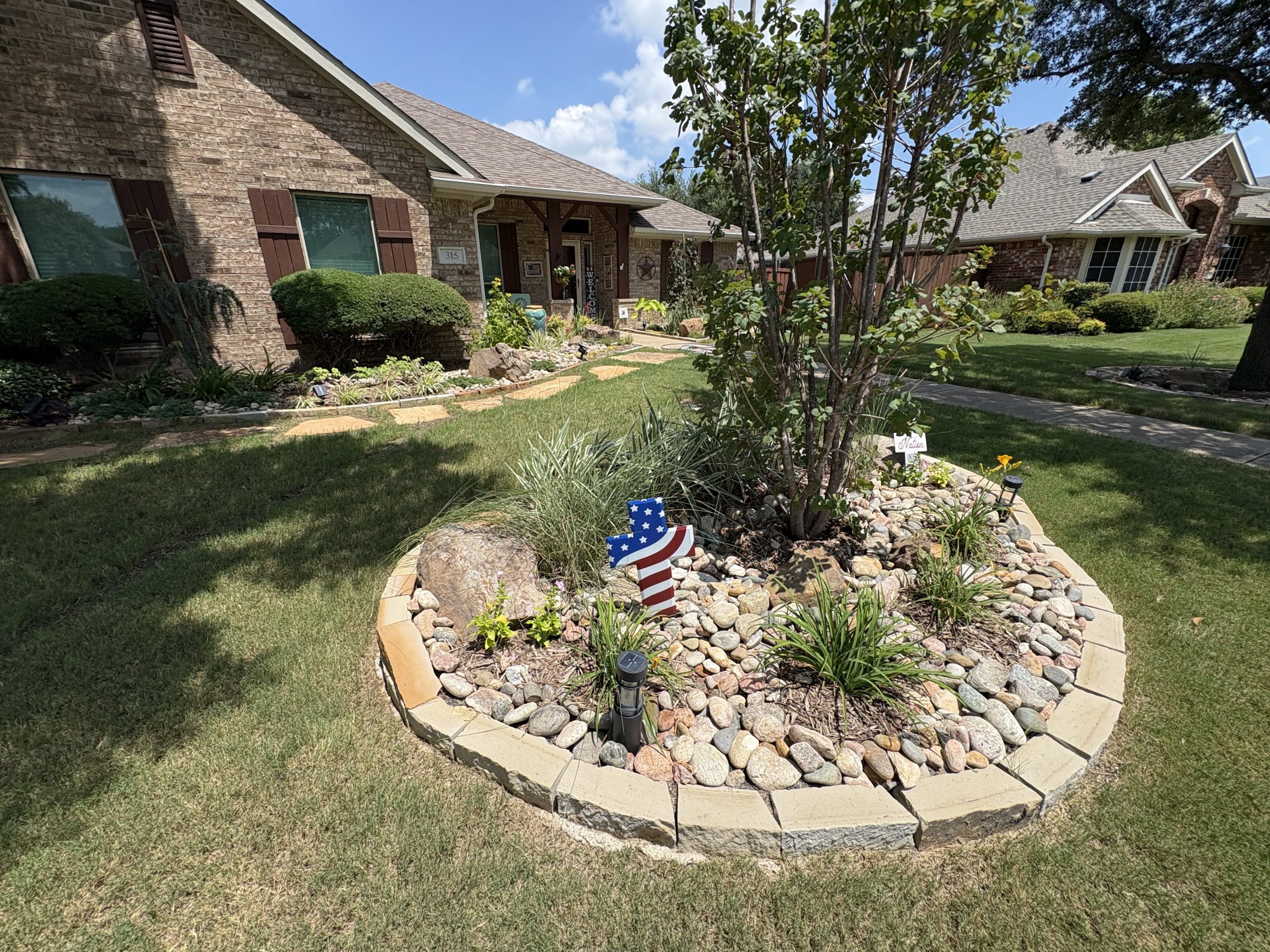
Professional observation: The most common trimming damage is not from the blade itself. It is from aiming without mapping what is behind the greenery, especially around sprinkler system installation zones and landscape edges.
1) Look for irrigation and drainage risks
Check for sprinkler heads, visible tubing, and areas that stay damp after watering. If you have any irrigation installation in place, avoid digging or scraping near the lines. If you need a refresher on how systems are typically integrated, review sprinkler system installation and irrigation.
2) Keep hardscape edges intact
Trimmers can nick pavers, concrete borders, and edging materials. Identify where plant beds meet stone or concrete and use a lighter touch when shaping the border. If your yard includes hard surfaces, it helps to understand the scope of concrete installation so you know what is likely to be vulnerable.
3) Watch for low-voltage lighting
Outdoor lighting cables often run along beds and under mulch. Before trimming, gently move leaves aside and identify any fixtures you can see. For more context on outdoor lighting placement, see landscape lighting installation.
Main Things Customers Should Understand
Safe trimming is really a set of habits. The goal is to remove growth while protecting the plant’s structure and keeping the surrounding yard systems untouched. When you cut, you want clean lines, controlled amounts, and the right timing for the type of shrub or hedge you have.
Firsthand-style industry observation: In Plano, TX, we frequently see homeowners try to “catch up” after a long season. The growth becomes dense, the stems tangle, and people end up cutting deeper than intended, which can lead to dieback and uneven regrowth.
| Trimming target | Safety focus | What “good trimming” looks like |
|---|---|---|
| Hedges and shrub rows | Keep cuts shallow and steady to avoid tearing stems; confirm bed edges are clear of hardscape | Even height, clean outer line, minimal leaf damage |
| Overgrown areas | Do not try to remove everything at once; look for hidden irrigation heads or cables near the base | Gradual shaping plan, less stress on plants |
| Garden borders near pavers | Use a controlled stance and angle to prevent blade contact with edging and patio pavers | Sharp plant line without nicks or gaps in the border |
| Backyard corners and tight spaces | Watch for tool swing hazards around fences and gates; avoid scraping the base of walls | Consistent shape without damage to nearby surfaces |
Why This Matters in Plano, TX
In Plano, TX and throughout Collin County, yards often combine residential landscaping, irrigation, and outdoor living spaces. When shrubs and hedges grow into those zones, trimming can affect more than just appearance. A careful approach helps protect irrigation coverage, preserves bed edges, and reduces the chance you will need landscape removal later because plants were cut too aggressively or damaged during the process.
Need a safer trimming plan for your yard?
If you want help keeping hedges, shrub trimming, and landscape maintenance aligned with your existing systems, Plano Landscaping Company can assess the layout and recommend a careful approach.
Call (214) 624-6011Common Mistakes to Avoid
Even with good intentions, a few patterns lead to damage. The best way to stay safe is to recognize the “why” behind the mistake, then adjust your method before you start cutting.
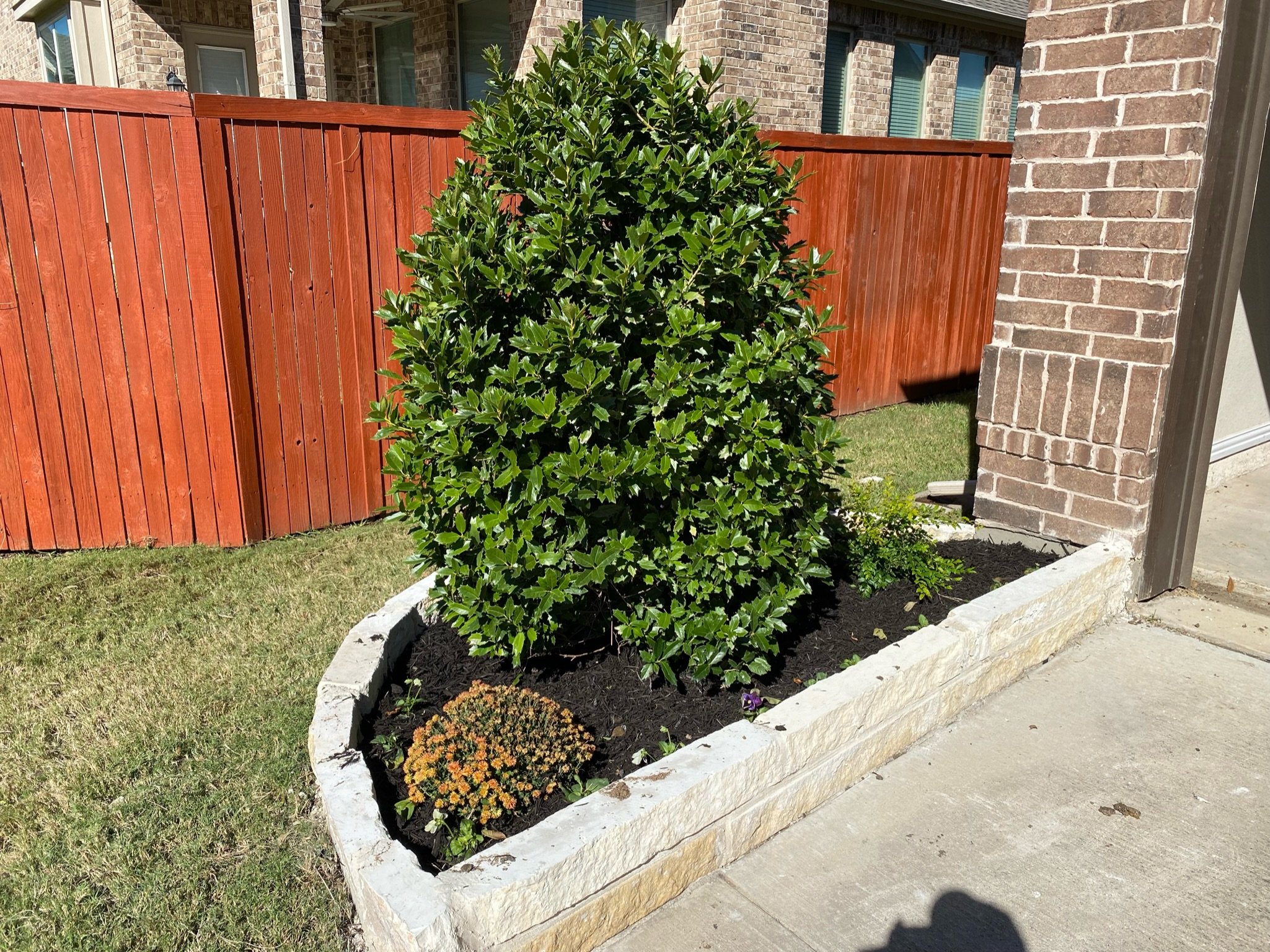
- Cutting without checking for hidden utilities: Trimmers and tools can damage sprinkler system installation components and low-voltage landscape lighting runs.
- Removing too much at once: Sudden, heavy cuts can cause uneven regrowth and stress the plant, especially after an overgrowth period.
- Using dull tools: Dull blades tear stems and leave rough edges, which can make plants look unhealthy sooner.
- Letting the blade hit hardscape: Paver edges, concrete boundaries, and edging materials can get nicked when you trim too close.
- Ignoring the shape of the plant: Cutting without a target line often results in lopsided growth and additional trimming needs later.
- Skipping cleanup: Leaving clippings and debris in the bed can smother new growth and hide small hazards for the next maintenance step.
Customer Checklist
Use this checklist before you trim landscape in Plano, TX. It is designed to reduce accidental damage to plants, hardscape, and common yard systems.
- Walk the entire bed edge and identify sprinkler heads, visible irrigation lines, and any outdoor lighting fixtures.
- Confirm where the plant meets hardscape (pavers, concrete, edging) so you can keep tool contact off the surface.
- Check your tools: blades should be sharp and handles should be secure.
- Plan your cut line and remove in small sections to avoid overcutting.
- Keep your stance controlled and avoid tool swing near fences, gates, and walls.
- After trimming, clear clippings from beds and inspect the area for any signs of stress or damage.
Representative scenario
A Plano homeowner notices their front hedge is starting to spill onto the walkway. They begin trimming on a weekend but stop when they realize a sprinkler head sits close to the base of the hedge. Instead of continuing and risking damage, they pause, mark the irrigation area, and adjust the trimming approach to keep cuts away from the sprinkler zone. The result is a cleaner hedge line with less plant stress and fewer surprises around the yard’s systems.
Frequently asked questions
How close can I trim to sprinkler heads?
Keep trims controlled around sprinkler heads and avoid pushing tools or clippings directly against the fixture. If you can see irrigation lines or tubing near the hedge base, work around that zone rather than trimming through it. If you are unsure where the lines run underground, pause and consider professional guidance so you do not accidentally affect irrigation coverage while shaping shrubs.
What is the safest way to avoid damaging pavers or patio edges?
Identify where the bed ends and the pavers or concrete begin, then keep your cut line slightly inside the plant rather than trying to “scrape” it flush. Use a slow, steady hand and avoid swinging the blade toward the hardscape surface. If your yard includes features like a paver patio installation, treat edging areas as sensitive during trimming.
Should I trim hedges in one big session or smaller passes?
Smaller passes are usually safer when the hedge is overgrown. Heavy trimming in a single session can stress plants and create uneven regrowth. By working in sections and stepping back often, you can maintain a consistent shape while keeping cuts more controlled. If you want a long-term plan for landscape maintenance, scheduling periodic trimming helps prevent the “catch-up” problem.
What should I do if I accidentally cut a branch too far?
If you cut a branch farther than intended, stop and reassess your remaining cut line. Avoid “chasing” the mistake by cutting more aggressively to match the shape. Instead, focus on gradual, clean corrections. In some cases, the plant may recover with normal care, but if you notice rapid dieback or widespread stress, consider having a landscaping team evaluate the plant health and trimming approach.
When is it better to schedule professional landscape maintenance?
Professional help is a good choice when the trimming area is tight, the yard has multiple systems (irrigation, lighting, drainage solutions), or the plant is severely overgrown. A local landscaping contractor can assess the layout and recommend a safe trimming plan that supports healthy regrowth and helps protect nearby features. For related yard services, you can also explore landscape removal if an area needs a reset.
Ready for careful landscape trimming in Plano, TX?
Plano Landscaping Company helps homeowners and property managers keep shrub trimming, hedges, and landscape maintenance looking sharp while reducing the risk of damage to plants and yard systems.
Schedule with Plano Landscaping Company
About Plano Landscaping Company
Plano Landscaping Company provides landscaping services for homeowners and businesses in Plano, TX and throughout Collin County, TX. From landscape installation and lawn care maintenance to irrigation installation and outdoor upgrades, our local approach focuses on safer, cleaner outcomes for your property.