
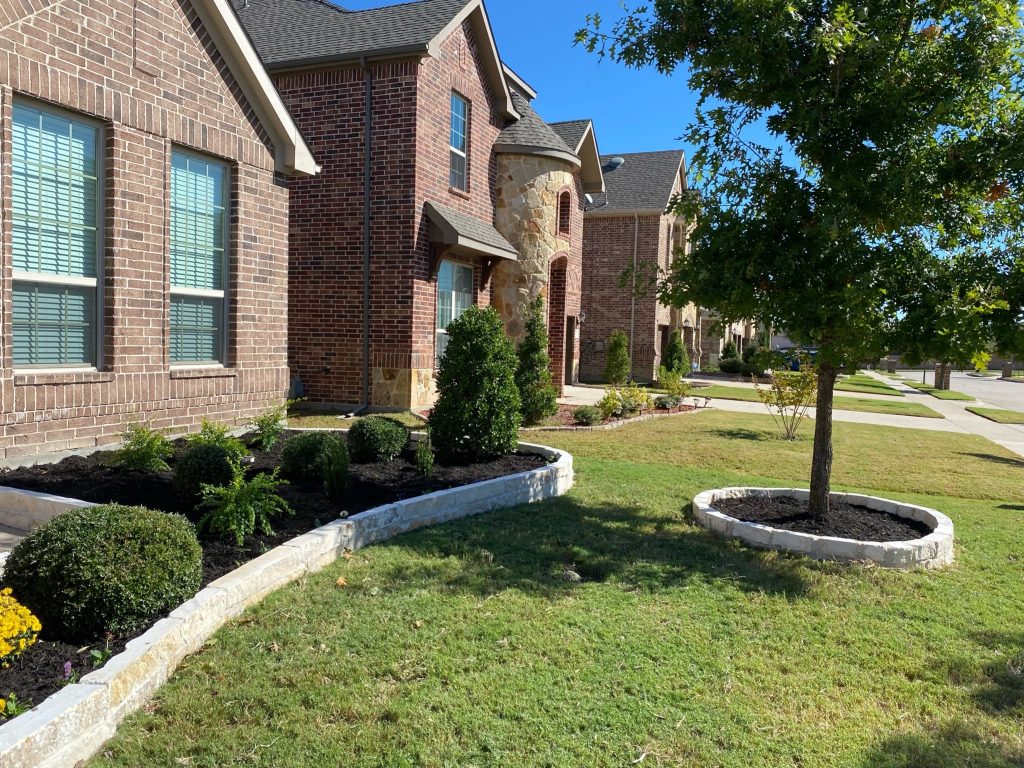
Landscape Installation Safety Tips to Prevent Future Damage
If you are planning new landscape work in Plano, TX, you might be worried about more than aesthetics. The wrong sequence, rushed prep, or unmanaged irrigation and drainage can lead to settled pavers, damaged sprinkler lines, and yard areas that never dry out.
You are ready to improve your outdoor living space, but the last thing you want is to pay for a beautiful installation that fails early. In Plano, a lot of problems show up after the fact: irrigation heads knocked out of alignment, drainage that routes water toward foundations, or soil disturbance that creates uneven surfaces.
This guide walks you through practical safety and prevention steps you can discuss with your contractor before work starts. You will learn what to verify during planning, how to reduce the odds of damage to existing irrigation and hardscape, and how to spot common red flags before they become expensive repairs.
- Quick answer
- What to check first
- Main factors that protect your landscape
- Why this matters in Plano
- Common mistakes to avoid
- Customer checklist
- Frequently asked questions
Quick Answer
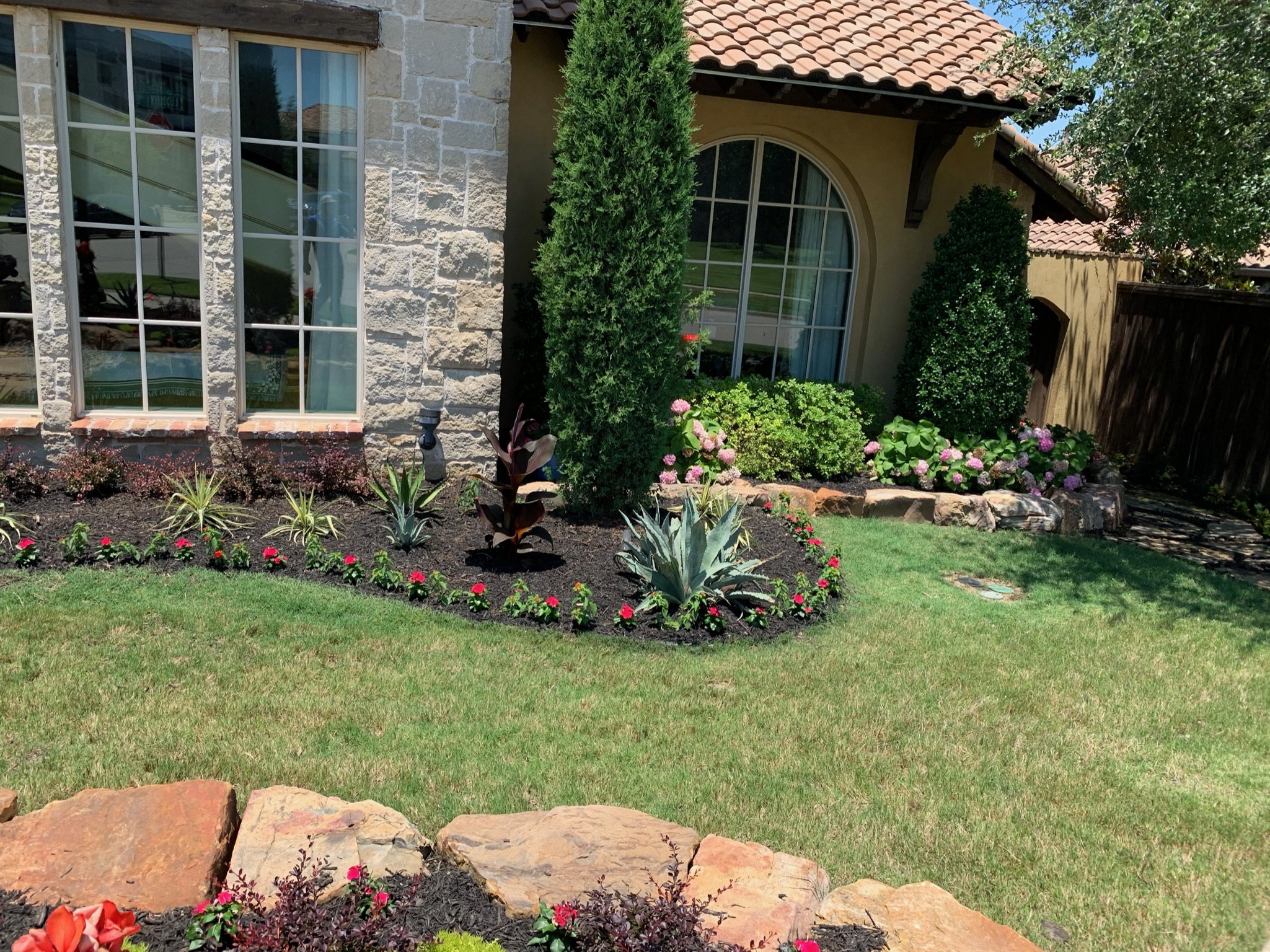
To prevent future damage, plan the work sequence around protection of utilities, soil prep, and drainage. Before anything is removed or excavated, confirm irrigation and sprinkler line locations, verify how water will be redirected, and ensure the base for pavers, patios, pathways, or turf is built to the right depth and compaction standard. Ask what happens if lines are found where they were not expected. For most homeowners in Plano, the safest path is a contractor who coordinates landscape installation with irrigation and drainage so the finished surface stays stable and functional.
What to Check First
Start with the “hidden” parts of your yard. If the project involves excavation, new hardscape, sod, or pathway installation, you need a plan for irrigation and drainage before any digging begins. In Plano, TX, landscaping often sits alongside mature trees, existing sprinkler heads, and established slopes, so assumptions can lead to avoidable damage.
Protect utilities and existing irrigation
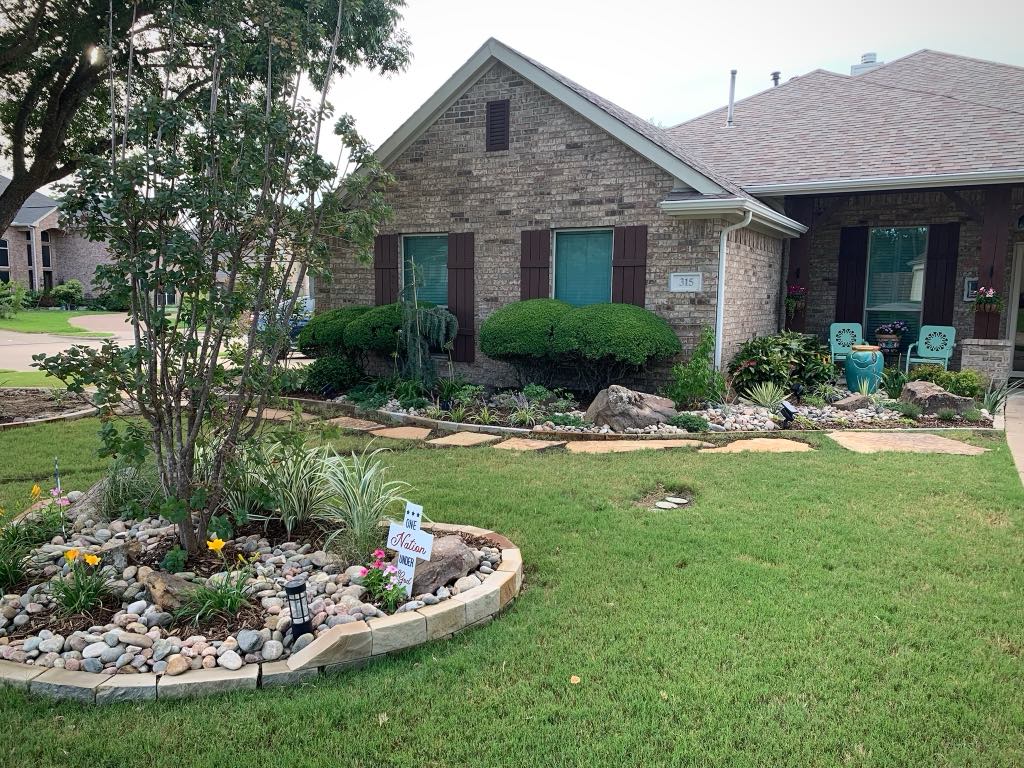
Make sure your contractor accounts for sprinkler system installation details and how heads and lines will be handled during landscape removal and grading. If you are updating irrigation, align that work with the landscape plan so nothing gets buried incorrectly.
Learn more about sprinkler installation and irrigation.
Plan drainage before surfaces go down
Ask how the site will be graded so water does not pool near your home, fence line, or planting beds. Good drainage reduces freeze-thaw-like stress from repeated wetting and helps keep bases from softening.
If you are dealing with downspouts or yard drainage solutions, coordinate the plan early so the final elevations match the drainage intent.
Match the base to the finish
For paver patio installation, pathway installation, or concrete installation, the base and compaction matter as much as the visible material. Skipping prep creates settlement later, which can crack joints and shift surfaces.
Review paver patio installation practices before work begins.
Main Things Customers Should Understand
Most landscape damage is preventable when the project is built around correct sequencing and site protection. Think in layers: utilities and irrigation first, drainage and grading second, then soil and base construction, and finally the finishes. When any layer is rushed or skipped, the finish often looks fine at first, then fails after repeated watering or heavy seasonal rain.
Professional observation: The most expensive “safety” issue is not a cut or a trip hazard. It is a preventable mistake where excavation or grading damages irrigation, or where drainage is corrected too late after hardscape and turf are already installed.
| Project area | Where damage usually starts | Safety-first prevention to ask about |
|---|---|---|
| Paver patio or walkway | Uneven base depth, poor compaction, and water moving under joints | Confirm base build-up plan, edge restraints, and drainage grading before installation |
| Sod and new lawn installation | Incorrect soil grade, weak soil contact, or irrigation misalignment | Verify final elevations and sprinkler coverage, then confirm watering plan during establishment |
| Landscape removal and yard removal services | Leaving debris or disturbed roots that later shift surfaces or block drainage | Ask how old landscaping removal is handled and how the site is cleaned and prepped |
| Pathway installation and garden pathways | Improper base and routing water to beds or toward structures | Review slope direction and ensure water paths are consistent with drainage needs |
| Decks, arbors, and pergola installation | Site prep issues that cause movement, plus irrigation conflicts near supports | Plan excavation locations and coordinate irrigation routes before drilling or footings |
Why This Matters in Plano
In Plano, yard projects often involve managing both heat and periodic heavy rainfall, which can expose weak grading quickly. If water pools in low spots, pavers and bases can soften over time, and turf can struggle even with regular mowing and lawn maintenance services. When irrigation is knocked out of position during work, you may also see dry arcs or muddy areas that do not match the rest of your yard.
Local focus: Coordinating irrigation installation and drainage solutions before landscape installation helps your finished surfaces stay level and your lawn and planting areas recover faster after watering cycles.
If your project includes removing old materials, consider starting with a clear plan for landscape removal so debris does not interfere with base prep or grading.
Need help planning a safer, damage-resistant install?
Share what you are building in Plano and what is already in the ground. Plano Landscaping Company can help you coordinate the installation sequence so irrigation, drainage, and hardscape prep all line up.
Call (214) 624-6011Common Mistakes to Avoid
Homeowners usually do not set out to create problems, but a few patterns show up repeatedly during landscape installations. These mistakes can be “small” during the build and then turn into visible damage later.
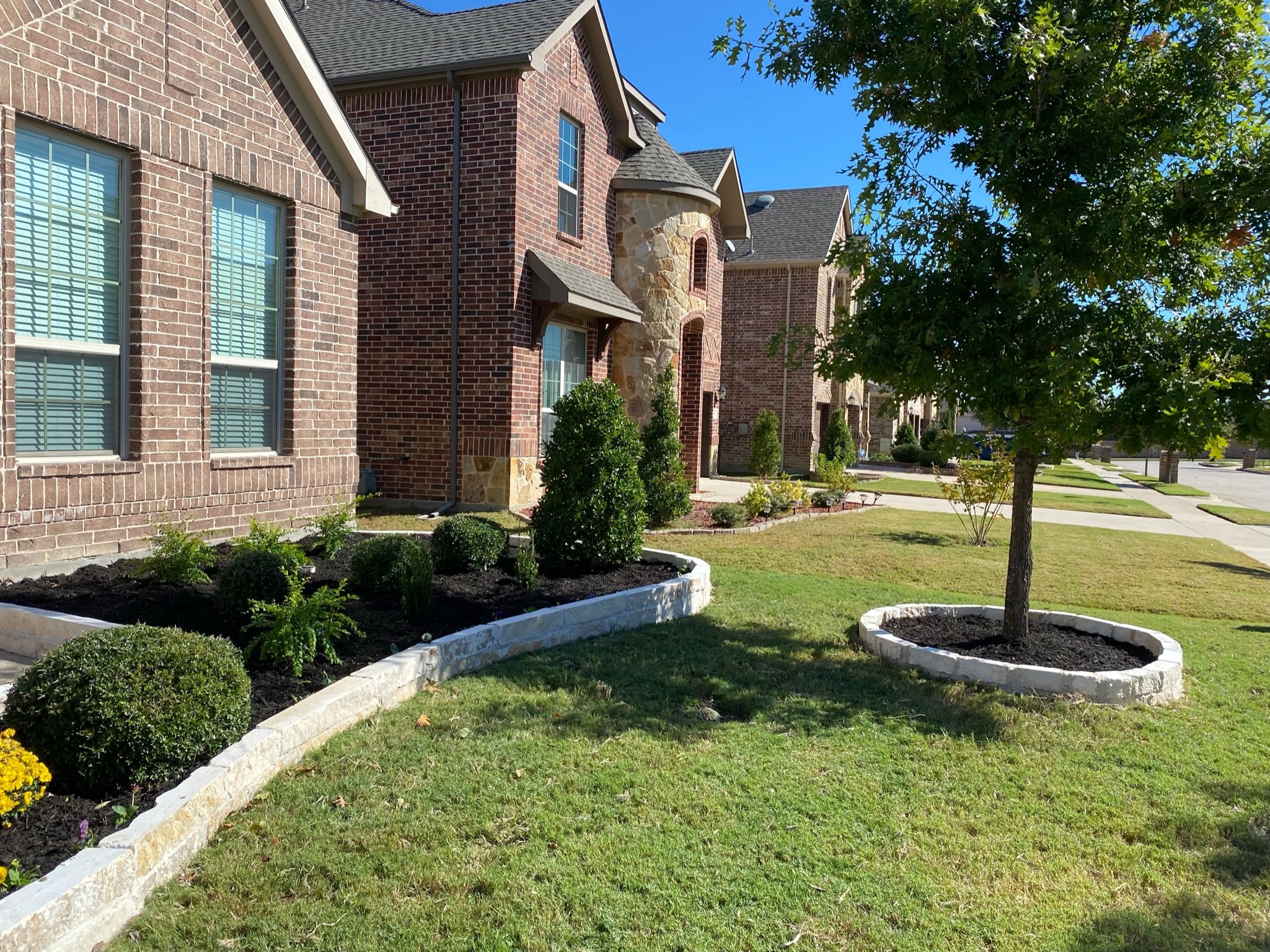
- Digging before utility-aware planning: If irrigation or other lines are not clearly accounted for, you can end up with broken sprinkler system components and costly rework.
- Grading after hardscape: Adjusting drainage once pavers, patios, or pathways are already installed often requires partial teardown and replacement.
- Skipping base preparation: For masonry services and stonework installation, weak or inconsistent base work increases settlement and shifting.
- Assuming irrigation coverage will “figure itself out”: Misaligned sprinkler system installation can cause dry spots, muddy zones, and uneven turf growth.
- Overlooking maintenance needs right after install: Even good construction needs follow-through. If watering and early landscape maintenance are ignored, new sod and planted areas can fail.
Customer Checklist
Use this checklist while you are reviewing the plan with your contractor in Plano. It is designed to reduce surprises, protect existing irrigation, and keep drainage aligned with the finished landscape.
- Project sequence: Confirm the order of work (utilities and irrigation, then grading and drainage, then base prep, then finishes).
- Irrigation coordination: If any sprinkler heads or sprinkler system installation components are affected, confirm how they will be protected and re-tested.
- Drainage plan: Ask where water will go when the yard is wet and how low spots will be corrected before installation.
- Base and compaction: For paver patio installation, pathway installation, concrete installation, or patio installation, confirm base build-up and compaction expectations.
- Landscape removal details: If you are doing yard removal services or old landscaping removal, confirm how debris and disturbed material will be handled.
- Early maintenance: Ask what adjustments are expected during the first weeks after sod installation services, lawn care maintenance, or new planting.
Representative Scenario
Imagine a homeowner in Plano who wants to replace an older backyard with a new paver patio and a fresh lawn area. During landscape removal, the crew discovers an irrigation line where the homeowner assumed there was only soil. Because the contractor planned for irrigation coordination, they pause excavation, protect the line, and revise the layout so the finished patio elevation matches the drainage intent. After installation, the sprinkler coverage is adjusted so the new sod receives consistent watering instead of dry arcs. The result is a yard that looks sharp and performs as intended, without constant settling or recurring wet spots.
Frequently asked questions
How can I tell if drainage was planned correctly before hardscape goes in?
What should I ask about sprinkler system installation during a landscape update?
Is landscape removal really necessary before new installation?
Why do pavers or concrete sometimes settle even if they look level at first?
What maintenance should I plan for after sod installation or new lawn installation?
Ready to reduce the risk of future damage?
If you are planning landscape installation in Plano, TX, a coordinated plan for irrigation installation, drainage solutions, and base prep can make the difference. Contact Plano Landscaping Company to discuss your project and the safest path from planning to finish.
Explore landscape installation
About Plano Landscaping Company
Plano Landscaping Company provides landscaping services for homeowners and property managers in Plano, TX and across Collin County. Their work includes landscape installation, irrigation coordination through sprinkler system installation, and hardscape and outdoor living projects such as paver patio installation, pathway installation, pergola installation, sod installation services, and related site-prep and maintenance.