
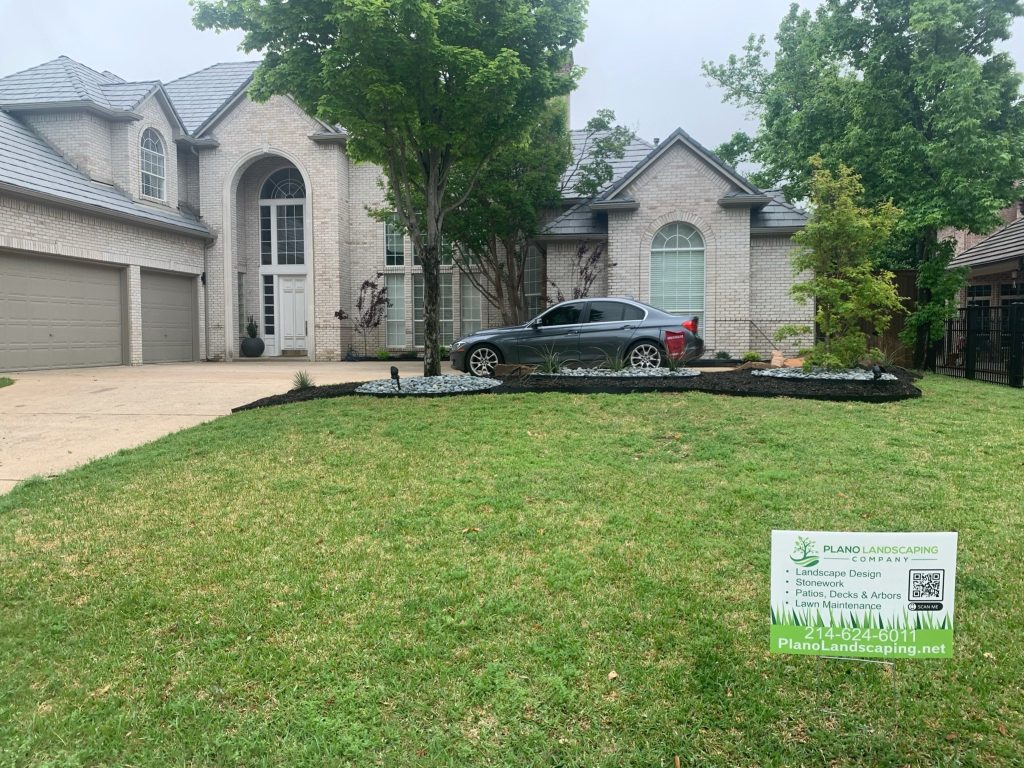
How Often Should You Schedule Sod Installation Maintenance?
After you install sod in Plano, TX, the real work begins: rooting, watering, and keeping conditions stable. This guide breaks down a practical maintenance schedule you can follow, plus what to watch for so your new lawn stays dense instead of thinning out.
You walk out one morning and notice footprints holding longer than they should, or a few seams look slightly lifted. Maybe the grass looks greener in one section and thinner in another. If you just had sod installed, those signs usually point to maintenance that is either too light, too heavy, or simply not timed correctly.
In Plano, TX, weather swings and irrigation habits can change how quickly sod roots. The question is not only “How often should I schedule maintenance?” but also “What should that maintenance include so I do not waste time or water?”
Below, you will find a quick answer for scheduling, a local insight for Collin County lawns, a common-mistakes section, and a customer checklist you can use right away.
- Quick answer
- What to check first
- Main things customers should understand
- Why this matters in Plano, TX
- Common mistakes to avoid
- Customer checklist
- Frequently asked questions
Quick Answer
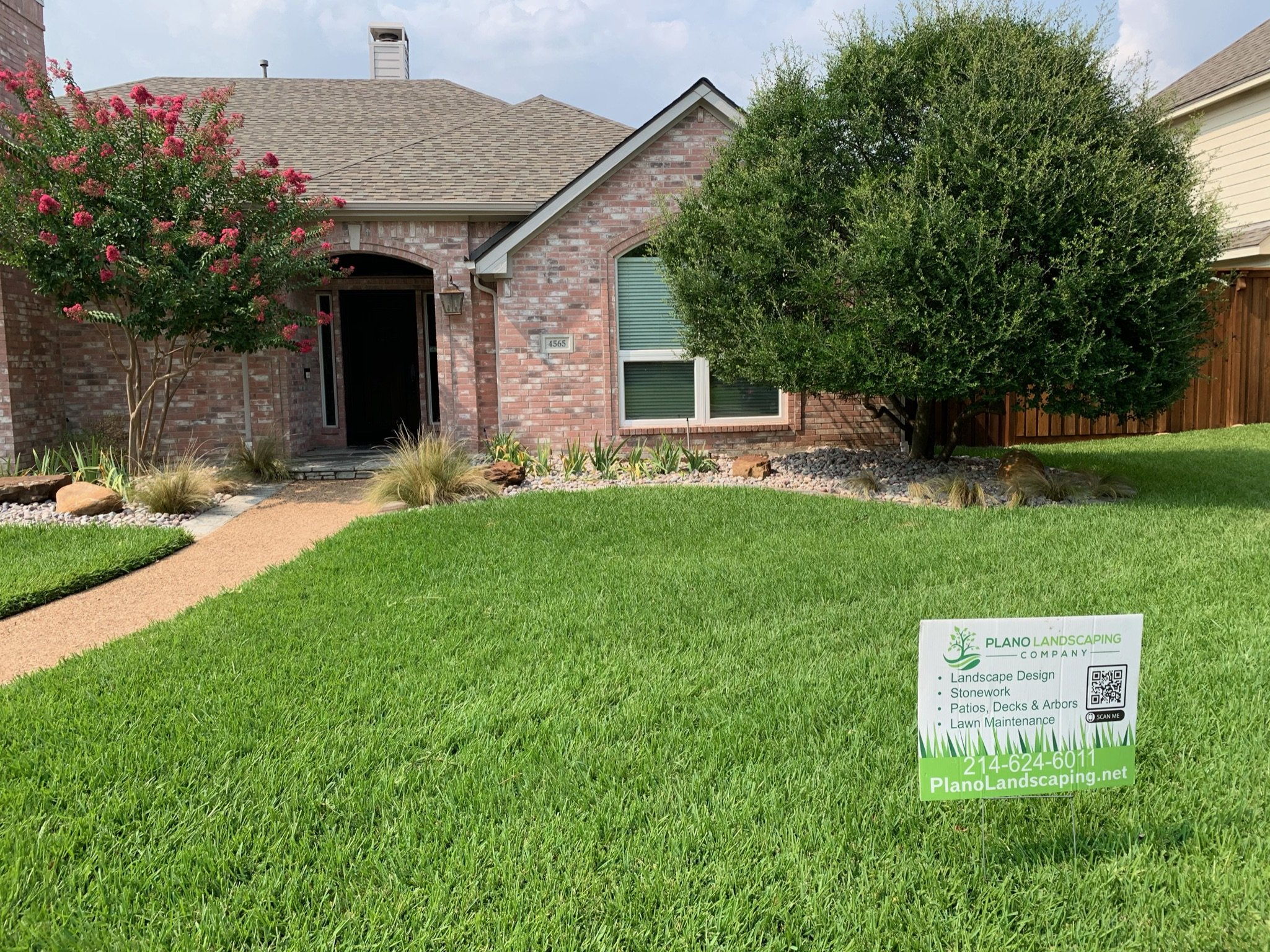
For newly installed sod, plan maintenance more frequently during the rooting period, then transition to lighter, seasonal checkups. A common approach is weekly attention for the first few weeks (especially watering coverage and seam stability), followed by every 4 to 6 weeks for routine care checks. After the lawn is established, schedule maintenance about 2 to 3 times per season, with spot visits whenever you see thinning, persistent dry spots, or pooling in low areas. If you have irrigation, include sprinkler system checks so the watering schedule matches your zones.
What to Check First
Start by walking the entire lawn and identifying patterns. Are the seams lifting evenly across the yard, or only in areas near sprinklers, downspouts, or slopes? Look for footprints that do not spring back, thin patches that stay dry, and spots that feel spongy after watering. Those observations usually tell you whether you need a watering adjustment, a drainage focus, or a light turf care revision.
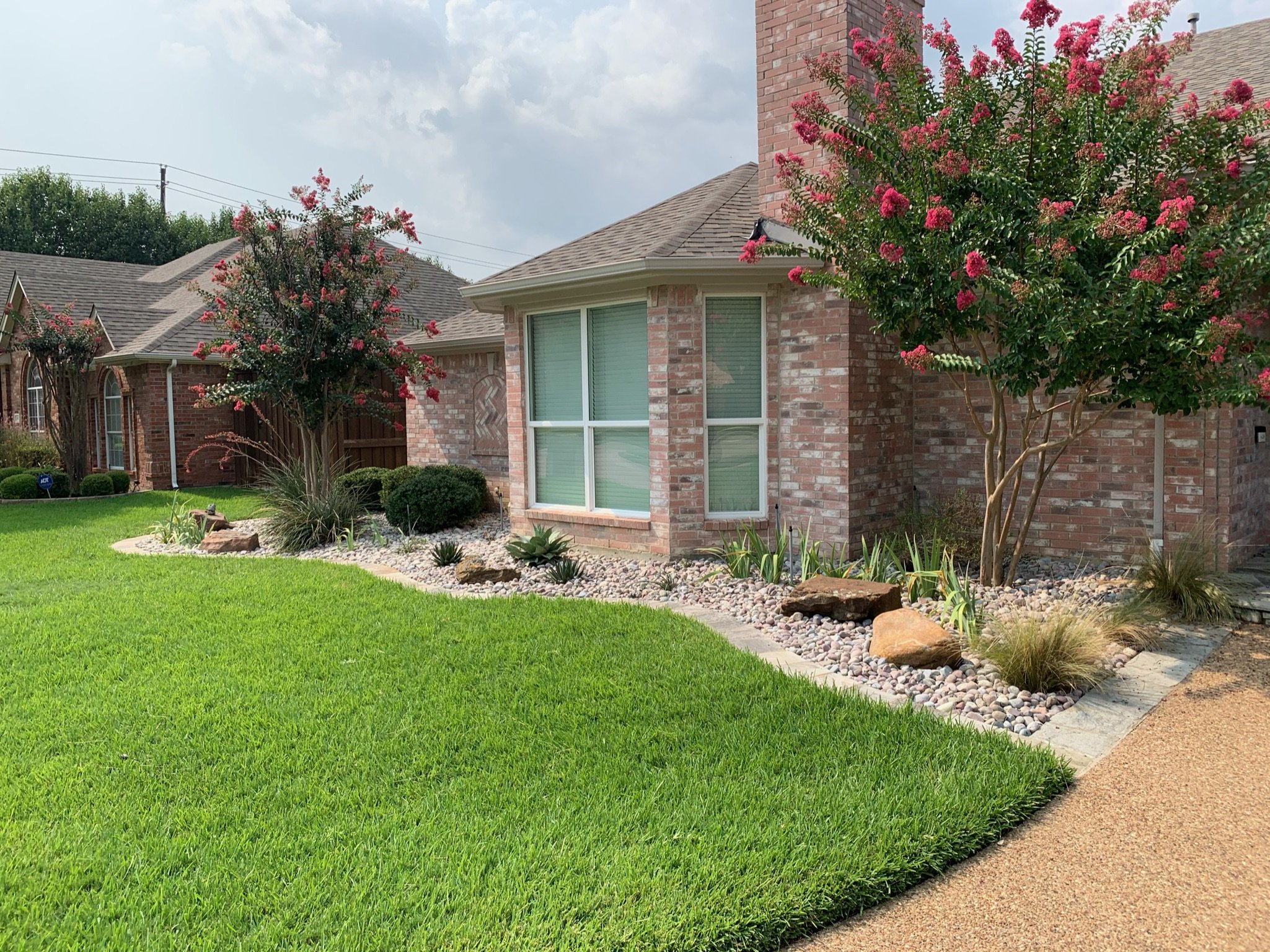
Professional observation: If your sod looks uneven right after installation, the fastest way to protect it is correcting water coverage and runoff paths before the turf has time to root deeply in the wrong conditions.
Main Things Customers Should Understand
Sod maintenance frequency is driven by three practical factors: how quickly the turf roots, how consistently water is delivered, and whether the soil under the sod stays stable. In Plano, TX, yards often include different micro-conditions such as sun exposure, tree shade, and areas that receive runoff from driveways or rooflines. That is why a “one schedule fits all” approach rarely works.
| Stage | When | What to check during maintenance | How often to schedule |
|---|---|---|---|
| Rooting stabilization | Immediately after installation through early establishment | Water coverage, seam edges, and foot-traffic recovery time | Weekly (or more often if coverage issues are found) |
| Establishment and density | After initial rooting begins and the lawn starts to knit together | Sprinkler timing and overlap, early weed pressure, and mower readiness | Every 4 to 6 weeks |
| Seasonal upkeep | Throughout the year as growth cycles change | Landscape maintenance priorities, irrigation adjustments, and patch monitoring | 2 to 3 times per season |
| Spot correction | Any time you see thinning, persistent dry areas, or pooling | Localized watering fixes and drainage solutions planning for problem zones | As needed |
Watering consistency beats “more water”
Healthy sod needs steady moisture, not just frequent watering. Maintenance helps confirm sprinkler system installation settings and actual coverage so the turf roots evenly.
Seams are a maintenance signal
When seams lift or gaps appear, it usually means the edges are drying out or shifting. A maintenance visit focuses on the areas most likely to fail first.
Drainage affects turf quality
If water pools or runs off too quickly, sod can root unevenly. Maintenance should consider drainage solutions and yard drainage solutions for low spots.
Why This Matters in Plano, TX
In Plano, TX and across Collin County, yards can experience rapid shifts in temperature and sun exposure. That matters for sod because the turf can dry faster on the west side of a home and stay wetter in shaded areas or near landscape features. If your yard also includes slopes, driveways, or roof runoff paths, the soil under the sod may get uneven moisture. Scheduling maintenance with a focus on irrigation coverage and runoff patterns helps your lawn establish more uniformly.
Common Mistakes to Avoid
Many lawn problems after sod installation start with timing. Overwatering can suffocate roots, while underwatering at the edges makes seams lift and thin out. Another frequent issue is treating the lawn like it is already established. Heavy foot traffic, early mowing, or ignoring a recurring dry spot can turn a small maintenance problem into a larger repair need.
Typical customer mistakes:
- Skipping irrigation checks even when only part of the lawn looks stressed.
- Changing schedules too often during the first weeks, which prevents consistent rooting.
- Waiting too long to address pooling in low areas, instead of planning drainage solutions.
- Letting weeds take hold before early establishment stabilizes.
- Assuming lawn seams will “fix themselves” without correcting edge moisture or shifting.
Customer Checklist
Use this quick checklist to decide whether you need a maintenance visit now or if your next scheduled check is enough. If you answer “yes” to any items, focus on correcting watering and drainage conditions first so the sod can continue rooting evenly.
- Do you see footprints that do not rebound within a reasonable time after walking?
- Are seams lifting, curling, or showing visible gaps along edges?
- Do certain zones stay dry while other areas look consistently moist?
- Is there pooling after watering or rain, especially in low spots?
- Does your irrigation coverage match the full lawn area, including corners and slopes?
- Have you noticed thinning patches that keep repeating in the same spots?
Representative Scenario
A homeowner in Plano, TX installs sod across a front yard that includes a gentle slope toward the street. Two weeks later, the lawn looks healthy in the higher areas, but the lower section stays dull and seams near the slope appear slightly raised after watering. The maintenance focus is not on “watering more.” The priorities are checking sprinkler overlap in that zone, adjusting timing so moisture reaches the turf without pooling, and planning drainage solutions if runoff patterns are pulling water away from the lower edges.
Need a sod maintenance plan for your Plano lawn?
If you are seeing uneven rooting, seam issues, or irrigation-related stress, schedule a maintenance check so the next steps match your yard’s conditions.
Call Plano Landscaping CompanyFrequently asked questions
These are the questions we hear most often from homeowners and property managers after sod installation in Plano, TX. If your situation is a little different, a maintenance visit can help you tailor the schedule to your yard.
How long should I schedule more frequent maintenance after sod installation?
Should I water more if the grass looks dry?
How do I know if the issue is drainage or irrigation?
Can I combine sod maintenance with other landscaping upgrades?
How often should established sod be checked?
Get help keeping your sod healthy in Plano, TX
If you want a maintenance schedule that fits your yard, start with a consultation. Plano Landscaping Company can help you plan the right next steps for sod installation maintenance and related landscape care.
Explore sod installation services
About Plano Landscaping Company
Plano Landscaping Company provides landscaping services for homeowners and property managers in Plano, TX and Collin County, including sod installation and ongoing lawn care maintenance. If you need help with irrigation installation, drainage solutions, or coordinating landscape installation projects, our team works with your yard’s real conditions to support healthy, long-lasting results.