
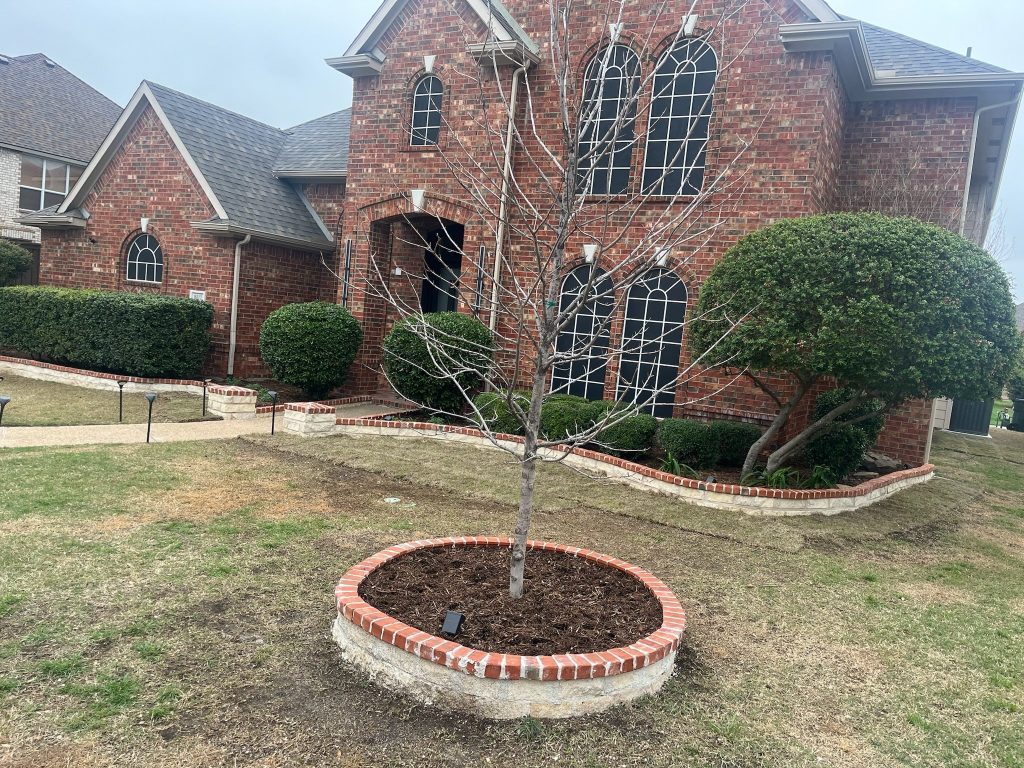
How Often Should You Schedule Landscape Trimming Services
If your shrubs are getting leggy, hedges look uneven, or branches are creeping into walkways around your Plano, TX home, you are not alone. Trimming on the right schedule helps your yard look intentional and can reduce the amount of cleanup you need later.
- Quick answer
- What to check first
- Main things to understand
- Why this matters in Plano
- Common mistakes
- Customer checklist
- Frequently asked questions
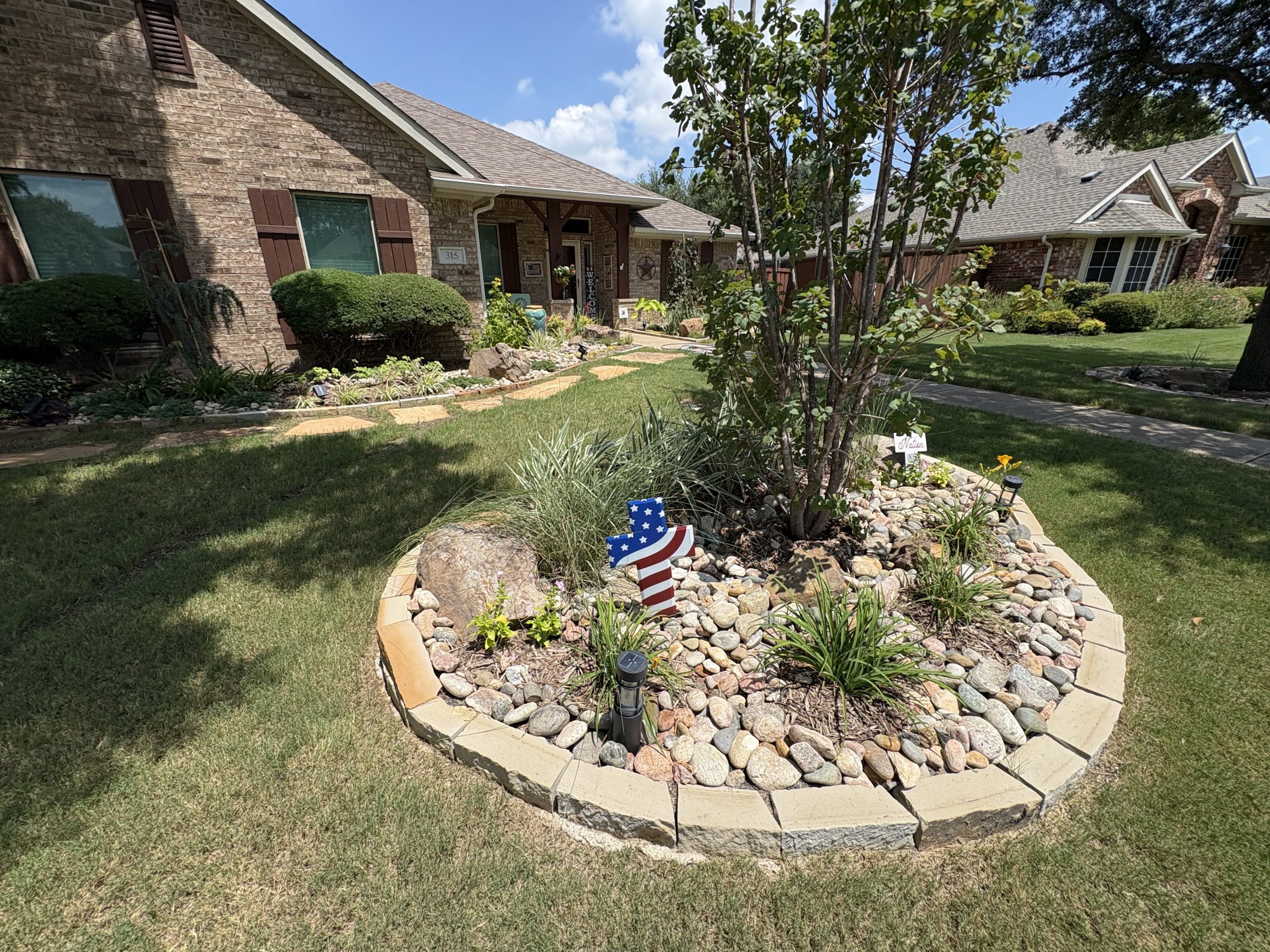
Last week, you might have noticed it during a quick walk outside. A hedge line looks “puffy” on one side, a few shrubs are taller than the rest, and the edges near your walkway are starting to spill into the grass. In Plano, TX, that kind of uneven growth often shows up fast because plants respond quickly to warm stretches and consistent watering.
This guide helps you figure out how often to schedule landscape trimming services for your specific yard. You will also learn what to check first, which timing mistakes to avoid, and how to set a simple plan that keeps your landscape looking clean without turning trimming into an all-day project.
Quick Answer
Most homeowners schedule landscape trimming about 2 to 4 times per year, then adjust based on how fast your shrubs and hedges grow. If you want crisp lines, plan for more frequent light trimming during active growth. If your plants grow slowly or you mainly need cleanup, fewer sessions may work. A good rule is to inspect your hedges and shrub beds every 4 to 6 weeks during spring and summer, then book trimming when you see overgrowth near walkways, windows, or property edges. For consistent results in Plano, TX, professional maintenance can also coordinate trimming with your broader landscape care.
What to Check First
Before you pick a date on the calendar, look at the areas that create the most “visual clutter.” Start with hedge height consistency, then check the edges along beds and pathways where plants naturally creep outward. If branches are brushing sidewalks or you are constantly sweeping clippings off pavers, trimming frequency likely needs to increase.
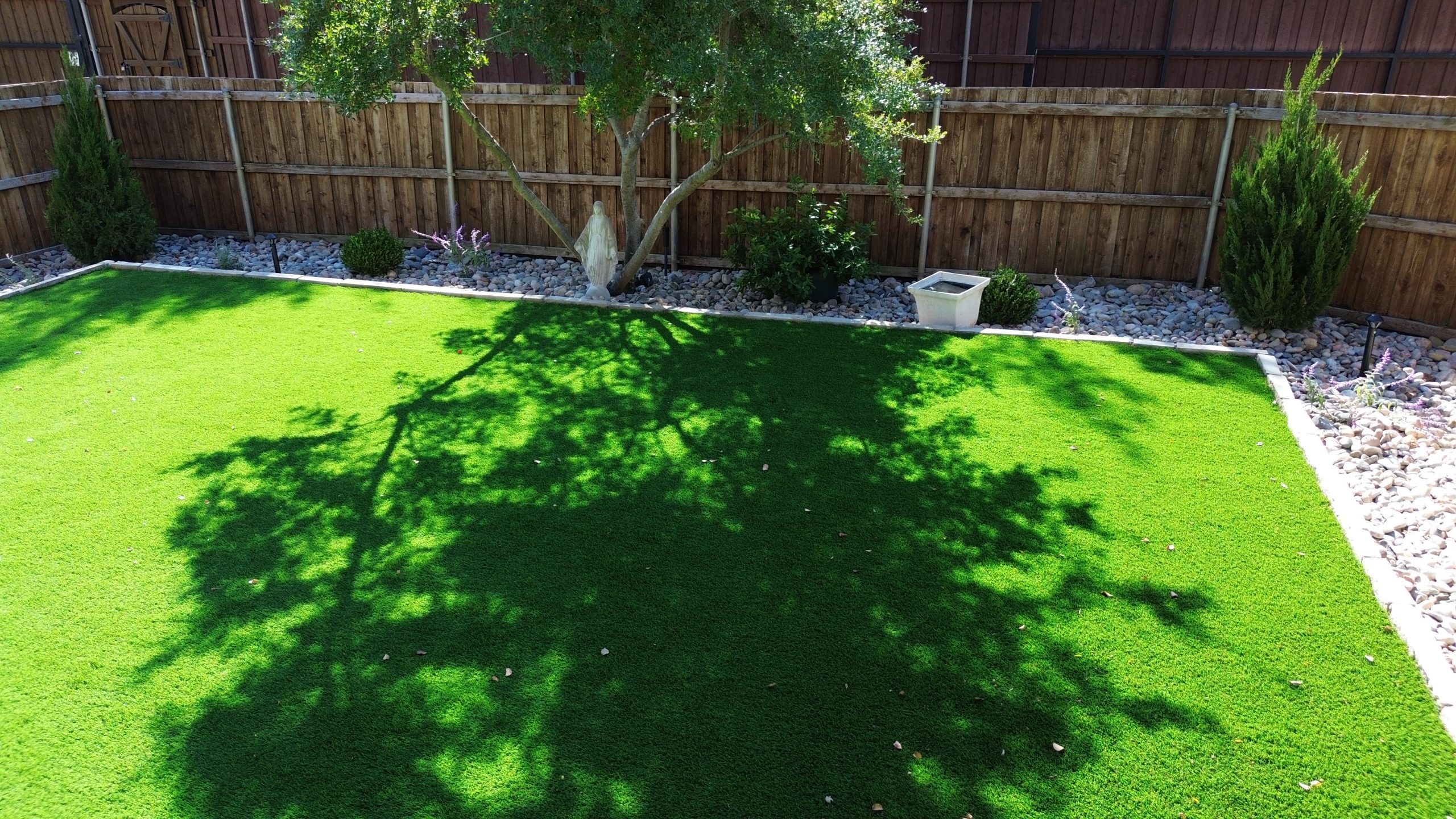
1) Growth speed
Fast-growing shrubs usually need more frequent trimming to keep their shape. Slow growers can often handle fewer sessions.
2) Clean line zones
Edges near walkways, entryways, and foundation beds tend to look messy first. Those zones set the pace for scheduling.
3) Health and access
If plants are overgrown, trimming becomes harder and cleanup takes longer. Early scheduling makes the work simpler.
Main Things Customers Should Understand
Scheduling landscape trimming is not only about “how often,” it is also about trimming style and timing. In practice, trimming frequency should match the plant’s growth habit and your yard layout. A hedge that frames a front entry typically benefits from tighter, more regular maintenance than a shrub bed that is allowed to stay slightly fuller.
Professional observation: When homeowners wait too long, the first trimming session turns into a heavy cleanup. That often means more cutting, more clippings to manage, and a longer time to restore a neat shape.
Typical scheduling approach by season
In Plano, TX, many yards see the strongest growth in spring and summer. That is when trimming tends to matter most for appearance. A practical approach is to schedule a first session in late spring, then follow with additional sessions as needed through summer, and plan a final cleanup session in early fall for tidy edges heading into cooler months.
Quick rule of thumb: If you can see a change from one month to the next, you are likely at the point where a trimming visit will improve the look immediately.
How trimming relates to other landscape work
Trimming is often part of an overall maintenance plan. If you are also managing lawn care maintenance, irrigation, or recent landscape installation, your trimming schedule should fit the rest of your yard routine. For example, consistent bed upkeep can reduce the time spent removing clippings from mulch lines, and a well-timed trimming visit can help keep areas around irrigation equipment clear for inspection.
You can explore related services like lawn care maintenance or irrigation installation to build a schedule that matches how your property actually functions.
| Yard area | What you will notice when it needs trimming | Scheduling tendency | Best time to act |
|---|---|---|---|
| Hedges near walkways | Uneven height, overgrowth toward the path, clippings collecting along edges | More frequent light trimming | During active spring and summer growth |
| Foundation shrub beds | Plants spreading outward, rubbing on hardscape, loss of clean borders | Seasonal trimming with spot touch-ups | Late spring and early fall cleanup |
| Backyard specimen shrubs | Shape becoming irregular, lower growth fading from overgrowth | Fewer sessions, planned shaping | When you see shape drift rather than waiting for major overgrowth |
| Overgrown or neglected landscaping | Large gaps in shape, tangled growth, harder access for cleanup | Start with a reset session, then move to a maintenance cadence | As soon as you are ready to restore a baseline look |
Why This Matters in Plano, TX
Plano yards often include a mix of established landscaping and newer installations, which can grow at different rates. On top of that, properties with paver patio installation or pathway installation usually show trimming issues sooner because plants creep into joints and edges that people walk past every day. Keeping hedge lines and shrub borders tidy helps your outdoor living spaces look maintained all season.
If your yard has older landscaping that is starting to feel outdated, sometimes the best first step is landscape removal followed by a cleaner layout and new planting plan. You can read more about landscape removal before you commit to a trimming-only schedule.
Get a trimming schedule that fits your yard
If you want your hedges and shrubs to look consistent around your Plano, TX property, a quick site review can help you choose the right cadence for landscape trimming.
Request service from Plano Landscaping CompanyCommon Mistakes to Avoid
Even well-intended trimming can backfire when the schedule is wrong or the approach is too aggressive. The goal is a neat, healthy shape that stays consistent between visits, not a one-time “fix” that creates another round of cleanup a few weeks later.
- Trimming only when it looks “bad” Often leads to heavy overgrowth and more time needed to restore clean lines.
- Cutting too much at once Can change the shape quickly, but it may also require additional follow-up to re-establish an even look.
- Ignoring the edge problem If your border along beds and pathways is the first thing to look messy, trimming should prioritize those lines.
- Skipping maintenance after a reset If you recently had landscape installation or major refresh work, build a regular trimming cadence so the new shape holds.
- Not coordinating with irrigation Overgrown plants can make it harder to access sprinkler areas. That can complicate inspection and adjustments. If you suspect irrigation access issues, review sprinkler system installation and maintenance planning.
Customer Checklist
Use this checklist when you decide whether it is time to schedule landscape trimming services around Plano, TX. It is designed to help you catch issues early, when trimming is most efficient and your results look best between visits.
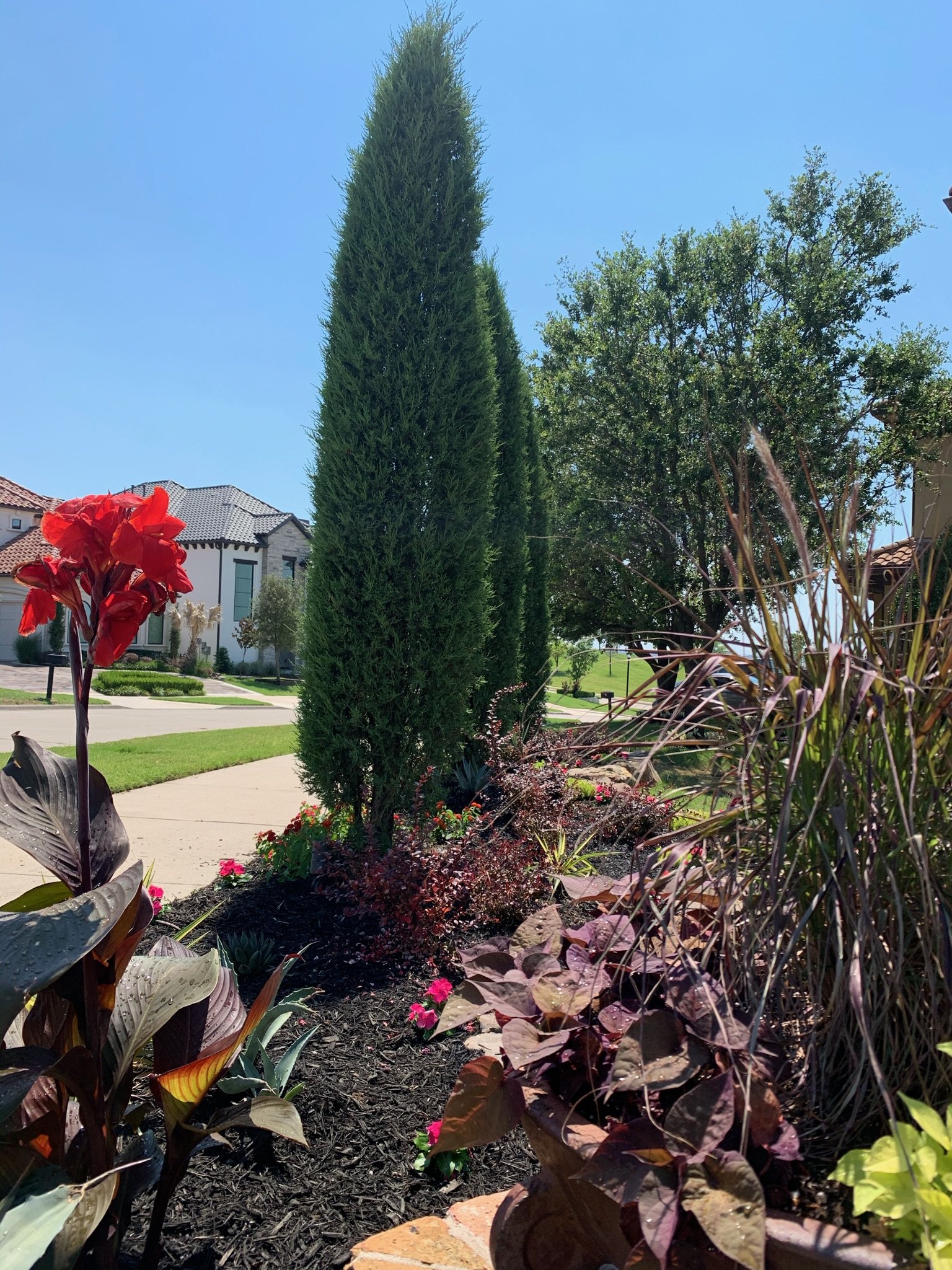
- Your hedge or shrubs have uneven height compared to last month.
- Plants are creeping into walkways, paver patio edges, or pathway borders.
- You see clippings consistently collecting along hardscape lines after mowing or rainfall.
- Foundation shrub beds no longer keep a clean border line.
- New growth is making the overall shape look “messy” from the street.
- Access for trimming is getting harder because growth is over the edges.
Representative Scenario
A homeowner in Plano, TX with shrubs along the front entry noticed that the hedge line started leaning visually toward the driveway after a warm stretch. Instead of waiting until the hedge looked completely overgrown, they scheduled trimming as soon as the uneven shape became noticeable. After the visit, the hedge returned to a consistent line, and follow-up touch-ups stayed lighter because the overgrowth never got out of control. The homeowner also found it easier to keep clippings from building up along the walkway edges.
Frequently asked questions
Below are common questions homeowners ask when planning landscape trimming. If you want help matching a schedule to your exact property, Plano Landscaping Company can help you think through what to prioritize first.
How often should I trim hedges in Plano, TX?
Many homeowners schedule hedge trimming about 2 to 4 times per year, then adjust based on how quickly their hedge grows. If you want sharp, consistent lines near a walkway or entry, more frequent light trimming usually looks best. If your hedge grows slowly or you only need cleanup, fewer sessions can work. The most practical approach is to inspect every 4 to 6 weeks during spring and summer and schedule when the hedge begins to drift out of shape or creep toward hardscape edges.
Is it better to do light trimming more often or heavy trimming less often?
In most yards, light trimming more often helps keep a steady shape and reduces the “reset” feeling that comes with heavy trimming after long gaps. Heavy trimming can be appropriate when landscaping is already overgrown, but it often takes longer to restore an even look. If your goal is clean borders along walkways and beds, lighter, more regular visits tend to make maintenance simpler and keep your outdoor space looking cared for between seasons.
What should I do if my shrubs are already overgrown?
When shrubs are already overgrown, you typically need a first step to restore basic shape and clear access. After that, you move into a maintenance cadence so the yard does not drift again. If overgrowth is affecting multiple areas, it can also be worth reviewing whether you need only trimming or additional landscape work such as landscape removal before re-establishing a cleaner layout. For guidance on removal options, see landscape removal.
Can trimming help with keeping my yard looking neat between mowing sessions?
Yes. Trimming is often what keeps the yard looking finished even when grass grows between visits. When shrub edges and hedge lines are maintained, the clippings and overgrowth are less likely to accumulate along walkways, foundation borders, and paver patio edges. That means less cleanup and a more consistent curb appeal. If your yard includes outdoor living features like patios or pathways, trimming edges around those areas can also reduce the “messy border” look that tends to show up first.
Should I coordinate trimming with irrigation maintenance?
Coordinating trimming with irrigation access is a smart habit. Overgrown plants can make it harder to reach sprinkler system components and can also interfere with clear inspection of irrigation areas. If you are planning irrigation work, consider scheduling trimming so plants do not block access. If you want to plan broader yard updates alongside irrigation, you can review irrigation installation as part of your overall maintenance planning.
Schedule landscape trimming services in Plano, TX
When your hedges and shrubs stay on a realistic trimming cadence, your yard keeps its shape and your hardscape edges stay cleaner. If you want help setting a schedule for your property in Plano, TX and Collin County, reach out to Plano Landscaping Company.
Call (214) 624-6011
About Plano Landscaping Company
Plano Landscaping Company provides landscaping services for homeowners and property owners in Plano, TX and throughout Collin County, TX, including landscape maintenance and trimming-focused care that helps keep shrubs, hedges, and yard edges looking clean and consistent.