
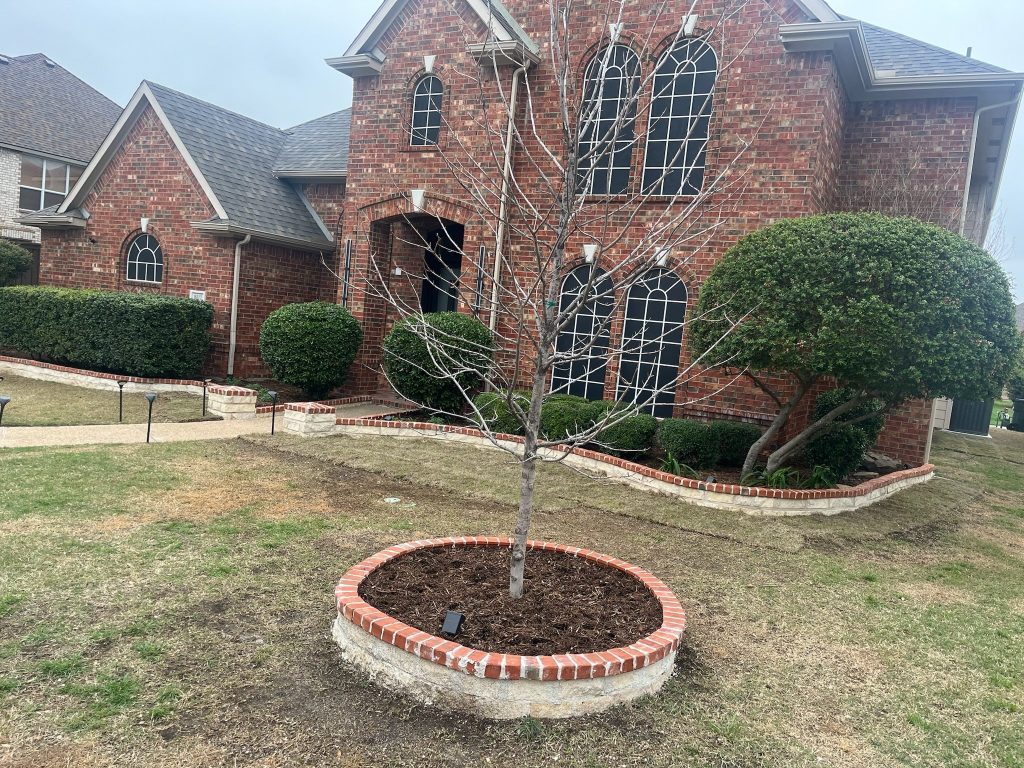
How Often Should You Schedule Landscape Trimming in Plano?
If your shrubs are starting to look uneven, hedges are crowding sidewalks, or your foundation plantings have gotten “leggy,” you are not alone. In Plano, TX, the timing of landscape trimming matters because growth can speed up after seasonal swings, and a heavy cut at the wrong time can set plants back.
- Quick answer
- What to check first
- Main things customers should understand
- Why this matters in Plano
- Common mistakes
- Customer checklist
- Frequently asked questions
Quick Answer
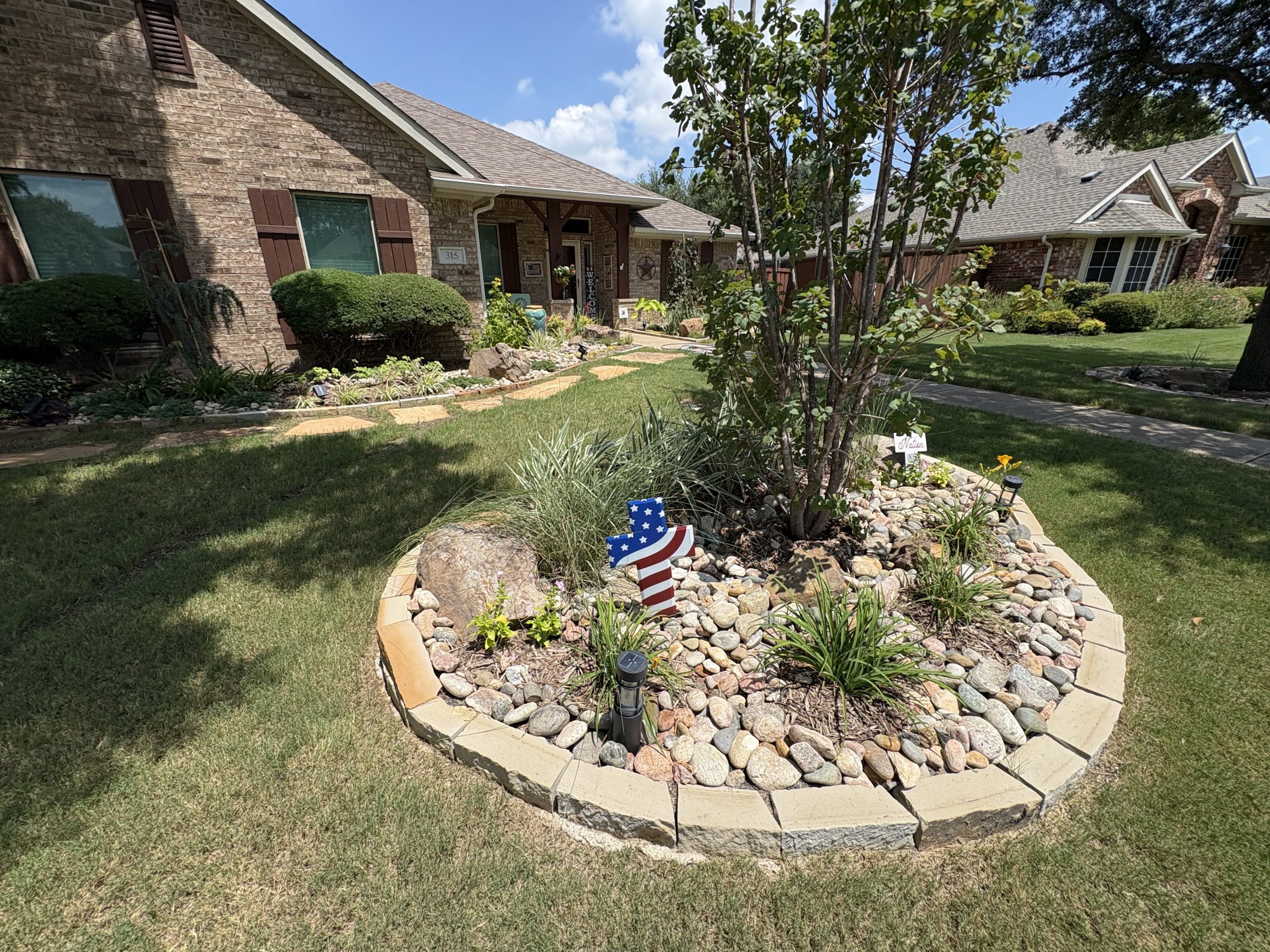
For most yards in Plano, scheduling landscape trimming every 6 to 10 weeks during active growth keeps hedges and shrubs tidy without over-stressing plants. If your landscape is mostly low-maintenance, a lighter touch every 2 to 3 months may be enough. The safest approach is to trim based on plant response: thin out dead or crossing branches any time, but plan heavier shaping for periods when new growth is steady. A practical next step is to start with a seasonal review and adjust frequency after you see how your specific shrubs respond.
What to Check First
Before you pick a trimming calendar, walk your property and look for the “why” behind the mess. Are shrubs spreading because they are due for renewal pruning, or is the shape just drifting? Are hedges blocking windows or pushing into walkways? In Plano, trimming frequency often changes with sun exposure, irrigation coverage, and how quickly your plants respond after warm spells.
Growth rate
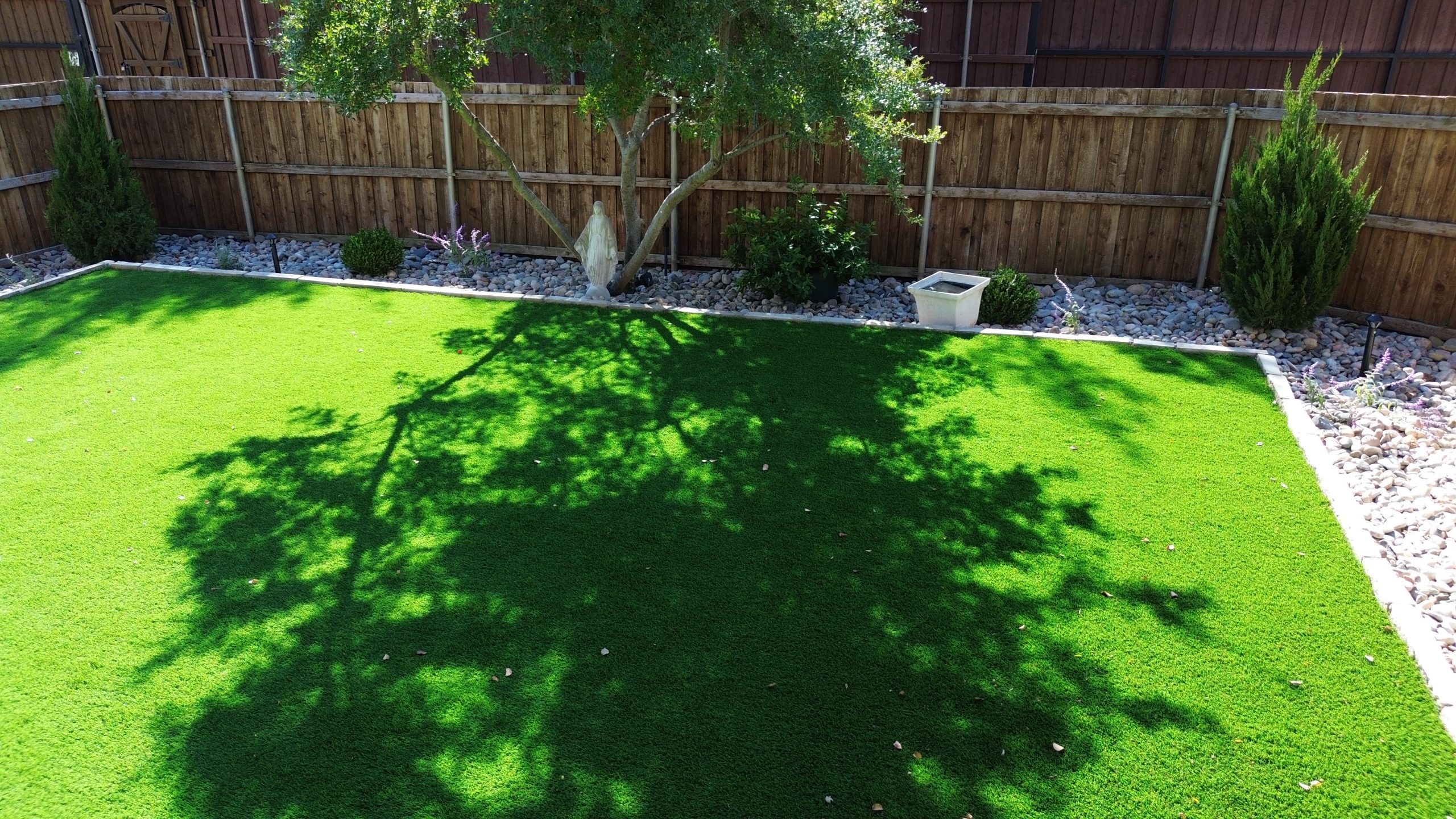
Fast-growing shrubs and dense hedges usually need more frequent light shaping than slower, more open plants.
Plant health
If you see dieback, thinning, or lots of dead interior stems, focus on corrective shrub trimming instead of only cosmetic cuts.
Real-life clearance
Measure clearance to sidewalks, driveways, and windows. Trimming is easier when you prevent encroachment early.
Professional observation: If you wait until shrubs look “overgrown,” you often end up needing more aggressive hedge trimming to restore shape. That usually means more labor and more plant stress than a lighter schedule.
Main Things Customers Should Understand
Landscape trimming is not one-size-fits-all. Different plants respond differently, and your schedule should reflect both the type of greenery and how your property is set up. On many Plano properties, foundation plantings, fence-line hedges, and ornamental shrubs are close together, so trimming timing needs to consider how each area will grow after cuts.
| Landscape area | Typical trimming pace | What to look for | Practical goal |
|---|---|---|---|
| Hedges and formal borders | Every 6 to 10 weeks | Uneven lines, side growth, or gaps after recent growth | Maintain clean edges without repeatedly cutting too deep |
| Foundation shrubs | Every 8 to 12 weeks | Overhang toward siding, windows, or walkway edges | Keep plants proportionate to the home |
| General shrub beds | Every 10 to 14 weeks | Crossing branches and dead tips | Reduce clutter and improve structure |
| Spot trimming (touch-ups) | As needed between visits | Individual stems growing past a line | Prevent encroachment so full trimming stays manageable |
One firsthand-style reality we see often: once hedges start leaning or widening, homeowners may try to “catch up” with a single heavy trim. That can remove too much foliage at once, especially when plants are actively pushing new growth. A better approach is smaller, more frequent landscape trimming, plus occasional renewal pruning when needed.
Why This Matters in Plano
In Plano, Texas, yards can look great one month and noticeably different the next because growth responds to seasonal swings and irrigation patterns. If your irrigation coverage is uneven, some shrubs may surge while others lag, which makes hedges look lopsided. That is also why lawn care and maintenance can indirectly affect trimming frequency: healthy, evenly supported landscapes tend to grow more predictably, so your trimming schedule stays steadier. If your beds are near hardscapes, keeping shrubs trimmed also helps prevent leaves and clippings from piling up where drainage and walkways meet.
Helpful direction: If you are considering irrigation improvements, aligning sprinkler system installation and irrigation coverage with your landscaping layout can reduce “patchy” growth that forces more trimming. Explore sprinkler system installation when you are planning broader yard updates.
Want a trimming schedule that fits your yard?
If you want your landscape maintenance to look consistent through the seasons, Plano Landscaping Company can help you set an approach based on your shrub types and how quickly they grow.
Schedule a visit with Plano Landscaping CompanyCommon Mistakes to Avoid
Many homeowners do the right thing with the wrong timing or the wrong technique. In Plano, these are the most common issues we see when trimming schedules drift.
1) Over-trimming to “catch up.” When plants are actively growing, removing too much foliage at once can slow recovery and leave gaps.
2) Cutting for shape only. If dead, crossing, or weak branches remain, shrubs may keep looking messy even after repeated trimming.
3) Ignoring clearance. If hedges are allowed to creep toward sidewalks and windows, trimming becomes more difficult and more frequent later.
4) Forgetting nearby hardscapes. Clippings and debris can build up around pathways and other outdoor living areas, which makes routine maintenance harder. If you are refreshing your yard layout, pairing trimming with updates like pathway installation can improve how the space stays clean.
Customer Checklist
Use this checklist to decide whether you need landscape trimming now, or whether a lighter touch is enough. This also helps your crew or technician bring the right tools and plan the right approach.
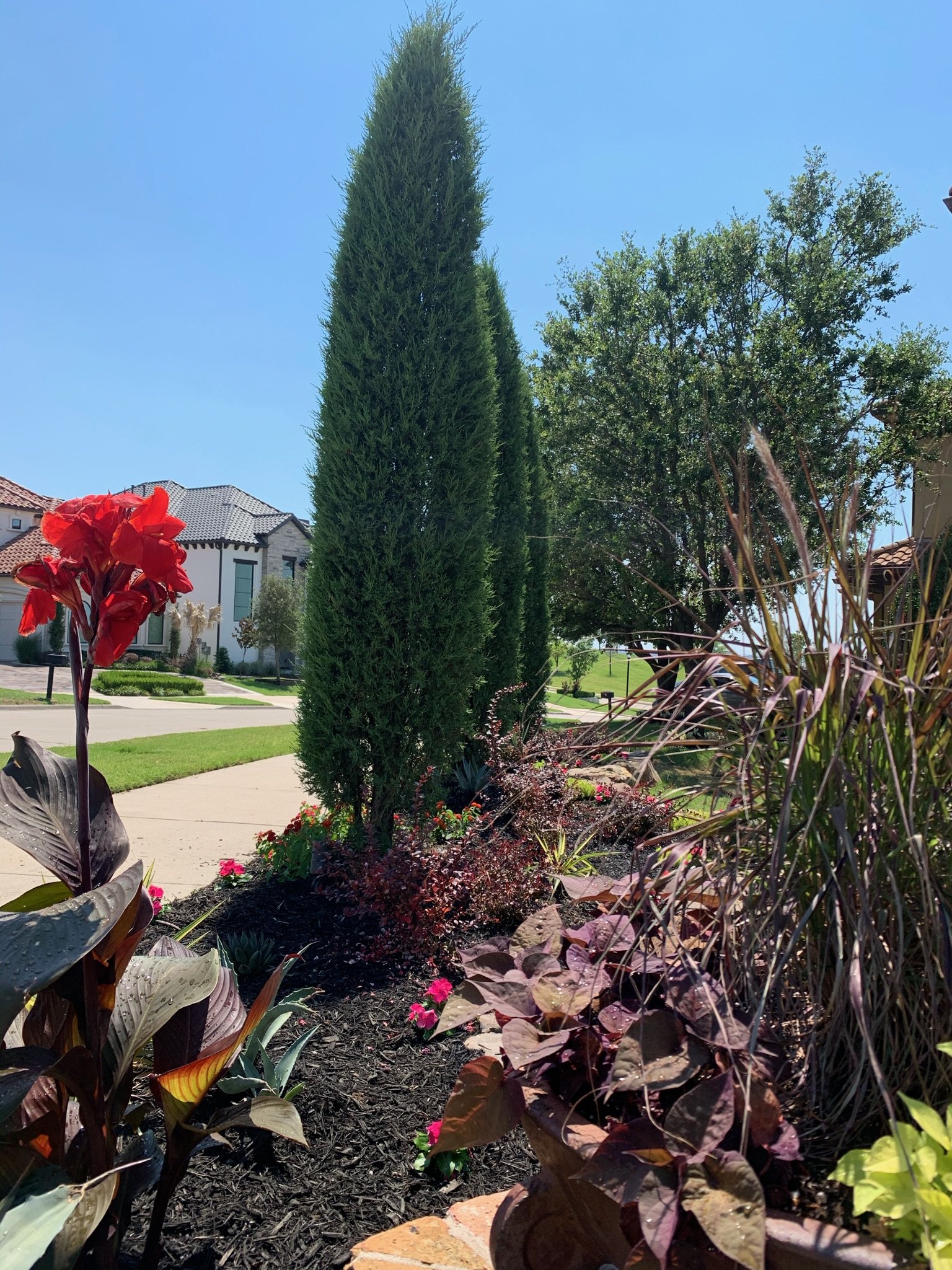
- Hedges or shrubs are pushing toward sidewalks, windows, or the driveway edge.
- Lines look uneven, with one side growing faster than the other.
- You see dead tips, crossing branches, or thick interior clutter.
- Plants are touching siding, gutters, or fencing in areas where they should not.
- You have recently adjusted irrigation or lawn care maintenance, and plant growth changed.
- You want a consistent look for front yard landscaping before guests arrive or during seasonal events.
Representative Scenario
A homeowner in Plano noticed their front-yard hedge was getting wider each month, especially after warm weeks. The hedge was still healthy, but the shape was drifting and the ends were creeping toward the walkway. Instead of a one-time deep cut, they scheduled landscape trimming at regular intervals to restore the lines gradually, with selective shrub trimming inside the hedge to remove clutter. The result was a cleaner edge and a yard that stayed easier to maintain between visits.
Related planning tip: If your yard also needs broader upkeep, consider pairing trimming with lawn care maintenance so the schedule for growth and cleanup matches across the property.
Frequently asked questions
If you are deciding how often to schedule landscape trimming in Plano, these answers cover the questions we hear most from homeowners and property managers.
How do I know whether I need landscape trimming or full removal?
If shrubs are healthy but out of shape, trimming and selective pruning are usually the best first step. If plants are repeatedly dying back, have major structural issues, or are so overgrown that trimming would remove most of the foliage, landscape removal may be the more practical option. Plano Landscaping Company can assess what is salvageable and what needs replacement so you do not waste effort on a plan that will not hold its shape.
What is the difference between shrub trimming and hedge trimming?
Shrub trimming focuses on maintaining individual plant shape and structure, often including selective pruning to remove clutter and improve health. Hedge trimming is typically about maintaining a continuous line, controlling width and height, and keeping edges crisp. In many yards, both are needed because foundation shrubs and fence-line hedges grow differently and require different approaches.
Can I trim hedges more often if they grow fast?
Yes, in many cases faster growth responds well to more frequent light shaping. The key is avoiding heavy cuts that remove too much foliage at once. A schedule of smaller trims can help hedges stay uniform while reducing stress. If you are unsure, start with a trimming plan that matches your plants’ growth rhythm, then adjust the interval after you see how they respond.
Do I need to trim in the same season every year?
Seasonal timing helps, but the “right” schedule can shift based on how your shrubs grew and what the weather and irrigation did that year. In Plano, growth can accelerate after warm periods, so sticking only to a calendar date may lead to over-trimming or missed shape opportunities. Monitoring plant response helps you choose the right timing for light shaping versus more corrective pruning.
What should I do if my landscape is already overgrown?
When plants are already overgrown, it is usually better to plan a phased approach rather than trying to restore everything in a single visit. Selective pruning to remove dead or crossing branches can improve structure, while gradual shaping helps maintain plant health. If the overgrowth is extreme or the plants are not responding, you may also consider landscape removal for sections that are no longer practical to trim. You can review landscape removal options if replacement is on the table.
Keep your Plano yard looking sharp
If you want landscape trimming that matches your plants and your property layout, reach out to Plano Landscaping Company. We can help you plan a practical trimming rhythm and handle the cleanup so your landscape stays easy to maintain.
Call (214) 624-6011
About Plano Landscaping Company
Plano Landscaping Company provides landscaping services for homeowners and property managers across Plano, TX and Collin County, with help for ongoing landscape maintenance, trimming, and related outdoor improvements. From thoughtful landscape installation to practical updates around your yard, our goal is to keep outdoor spaces looking clean, structured, and easier to maintain throughout the year.