
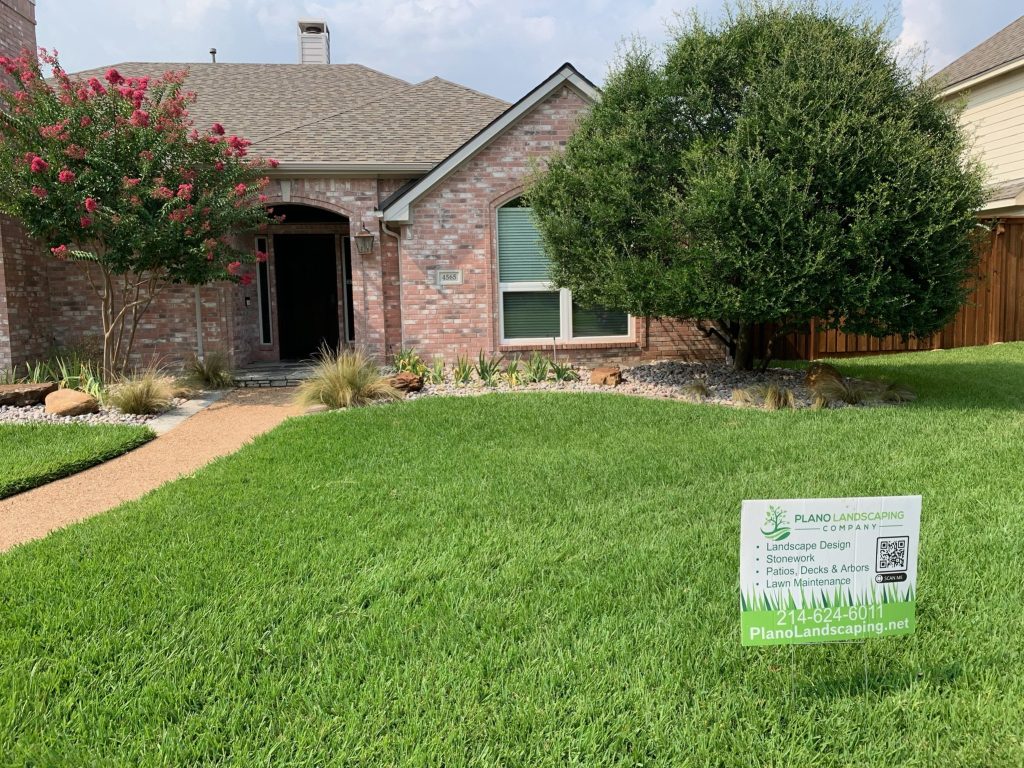
How Often Should You Schedule Landscape Removal?
If you have old beds, tired turf, or leftover hardscape that is starting to look rough, you are probably asking the same question we hear in Plano, TX: how frequently should you plan for landscape removal before you install something new?
Maybe your lawn is patchy, weeds keep returning in the same corners, or you are planning a new walkway, patio pavers, or irrigation improvements. The messy part is not always the installation. Often, the real quality difference comes from what gets removed first.
In Plano, TX, weather swings and seasonal growth can make landscapes look “fine” for a while, then suddenly demand attention. This guide helps you spot the right timing for landscape removal so your next landscape installation goes smoother and lasts longer.
- Quick answer
- What to check first
- Main things customers should understand
- Why this matters in Plano, TX
- Common mistakes
- Customer checklist
- Frequently asked questions
Quick Answer
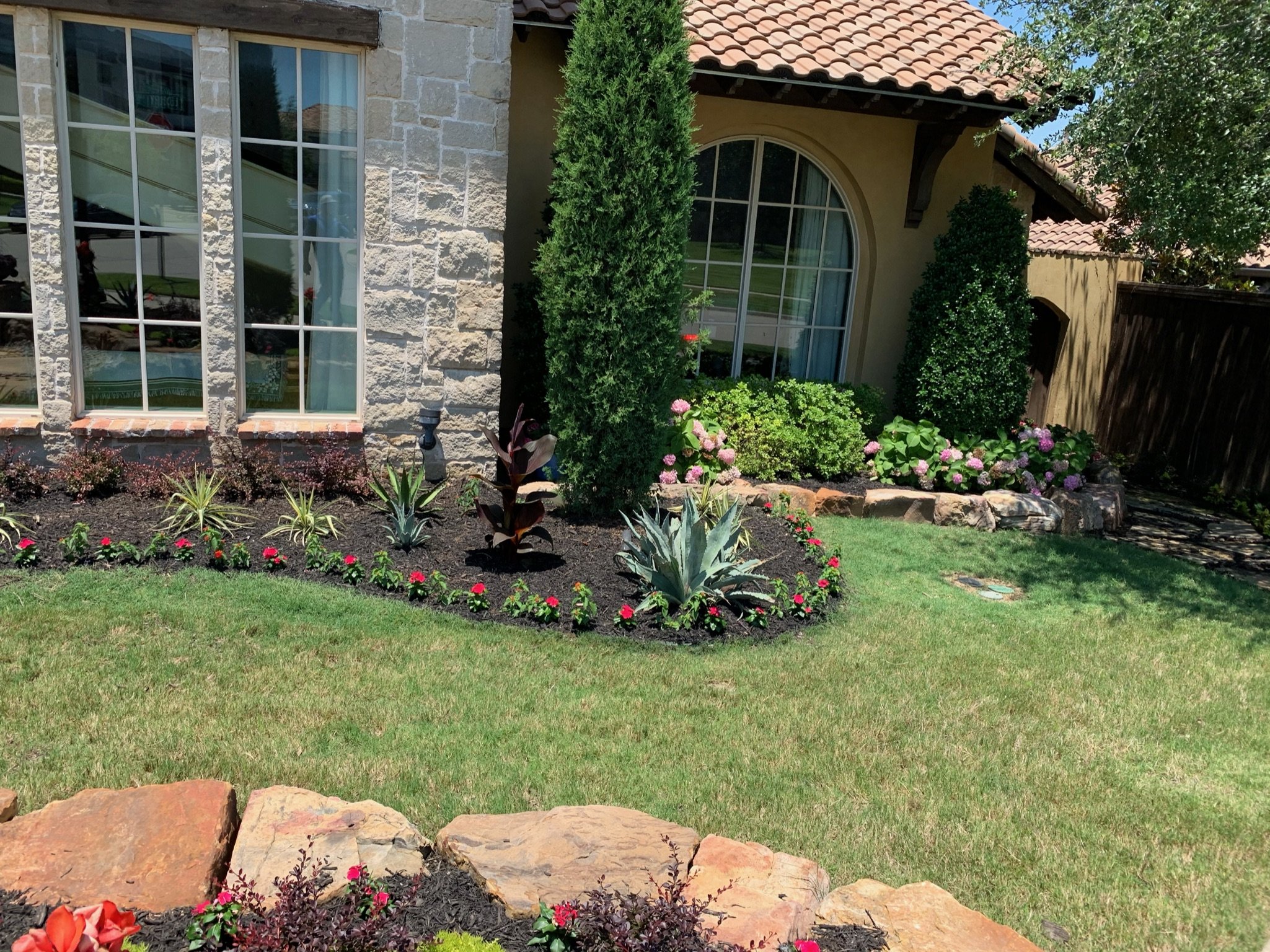
You typically schedule landscape removal when your current materials are limiting your goals, not simply on a calendar. Many homeowners plan removal as part of a refresh: before new sod installation, patio paver installation, pathway installation, or landscape installation. If you are seeing persistent weed growth, uneven surfaces, or drainage issues, removal may be needed sooner so new work can be installed on a clean, stable base. For the best timing in Plano, TX, align removal with your installation timeline and local seasonal conditions.
What to Check First
Before you decide “how often,” walk your yard like you are inspecting a foundation. Look for trouble spots that repeat after you mow, trim, or spray. Those patterns usually point to what should be removed, how deep it needs to go, and whether the underlying base is still usable for new work.
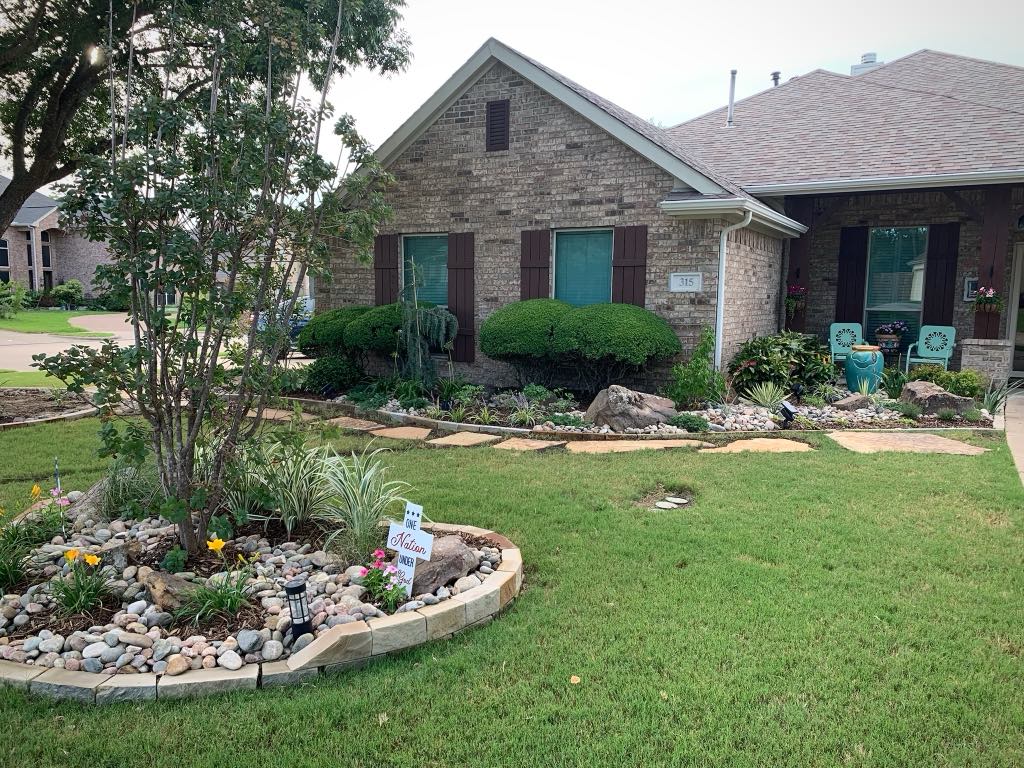
Vegetation that won’t stay managed
If you are consistently dealing with weeds, regrowth, or overgrown beds, older plantings and root systems may be the cause. In those cases, removal is often the fastest path to a clean slate.
Hardscape that shifts or sinks
Uneven paving, patio pavers that feel unstable, or edges that crumble can signal an old base that needs attention. Removal can help you reset the surface for your next installation.
Drainage that creates recurring messes
If water pools, runs off unpredictably, or erodes soil near beds and walkways, consider removal as part of drainage solutions and yard drainage solutions planning.
Professional observation: When we see removal done only “surface deep,” homeowners often end up redoing work sooner. The goal is to remove what is failing now so the next landscape installation can perform reliably.
Main Things Customers Should Understand
Landscape removal is not one single job. In practice, it might mean removing old turf, clearing out long-neglected beds, pulling up damaged edging, or preparing an area for a new pathway, deck installation, pergola installation, or outdoor living spaces upgrade. The right frequency depends on what you are replacing and how your property is behaving.
| What you’re dealing with | Typical “removal timing” approach | What to consider next |
|---|---|---|
| Old landscaping beds with heavy regrowth | Schedule removal when you plan to reset the bed layout or install new plants and mulch. Removing old root systems helps reduce repeat issues. | Pair with landscape installation and landscape design services planning. |
| Weeds and uneven turf areas | Plan removal ahead of new sod installation services or new lawn installation so the base is ready for consistent coverage. | Coordinate with lawn care maintenance to keep the refreshed areas stable. |
| Patios, pathways, or paver surfaces that look worn | Remove failing materials before installing new patio pavers or pathway installation. Resetting the base is often the difference between “pretty” and “durable.” | Consider drainage solutions and yard drainage solutions during the reset. |
| Areas affected by irrigation issues | If you are updating irrigation installation or sprinkler system installation, schedule removal so new components and grading align correctly. | Plan around irrigation contractor work for a complete outdoor setup. |
Local insight: In Plano, TX, landscapes often go from “fine” to “needs work” when heat, growth, and runoff collide. Scheduling removal to match your planned install can prevent rework after the fact.
For a firsthand-style example, we sometimes see a backyard patio project stall. The homeowner wants patio installation, but old materials are still under the surface. Once we remove the outdated base and prep the area, the new pavers and edging sit properly, and the finished look holds up better through changing weather.
Why This Matters in Plano, TX
In Plano, TX and across Collin County, TX, the yard is constantly responding to seasonal growth and moisture movement. When old landscaping is left in place, it can interfere with drainage and grading. That matters because removal is often the step that lets irrigation installation, landscape lighting installation, and drainage solutions work together instead of fighting each other.
If you are planning updates like fencing, landscape lighting, or pathway installation, it is smart to think in sequences. Removing old materials before you install new systems helps keep lines straight, surfaces even, and upgrades aligned with how people actually move through the yard.
Before new sod
Fresh lawn coverage requires a clean, consistent base. Removing old turf and debris helps reduce uneven patches and makes maintenance easier.
Before hardscape
For paver patio installation and pathway installation, removal helps you start with a stable layer so the finished surface does not settle unevenly.
Before drainage changes
Yard drainage solutions often require clearing affected areas. Removal can also help you plan where water should go after the update.
Need Landscape Removal Planning for Your Plano Project?
If you are updating turf, beds, or outdoor hardscape, we can help you map the removal step to your installation goals.
Schedule Landscape Removal with Plano Landscaping CompanyCommon Mistakes to Avoid
Homeowners usually do not delay removal because they want a worse result. The issue is that a “good enough” approach can create hidden problems that show up later, especially after the next season’s growth cycle.
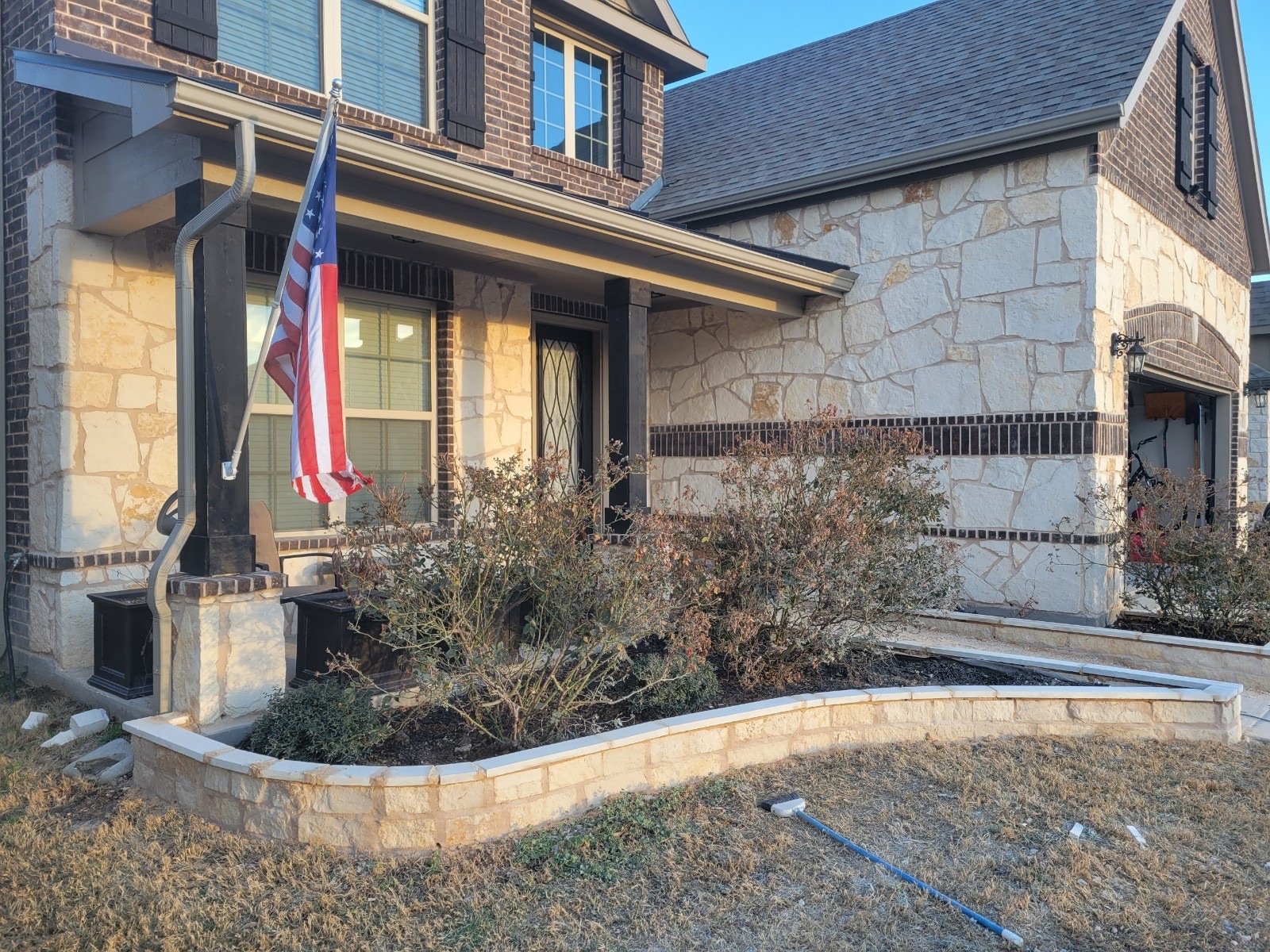
- Removing only the visible parts: Old roots, debris, and failing base materials can remain and cause repeat issues.
- Skipping coordination with irrigation: If you plan sprinkler system installation or irrigation contractor work, removal should align with where lines, heads, and grading will go.
- Waiting until surfaces fail: Sinking edges and uneven paver patios are easier to fix when removal and prep happen early in the update.
- Not thinking about drainage solutions: Yard drainage solutions often require clearing and resetting so water moves as intended.
- Choosing the wrong sequencing: Landscape lighting installation, pathway installation, and fencing installation each benefit from a clean, prepared area.
Customer Checklist
Use this checklist to decide whether you should schedule landscape removal soon for your Plano, TX property. If several items match what you are seeing, it is usually a sign that removal should be part of your next outdoor plan.
- Weeds and regrowth keep returning in the same spots.
- Mulch or bed edges look uneven or constantly get displaced.
- Your lawn shows patchy areas that do not improve with routine lawn maintenance services.
- Pathways, patios, or paver areas look wavy, uneven, or unstable.
- Water pools, runs off too quickly, or erodes soil near beds and hardscape.
- You are planning new landscape installation, sod installation, or irrigation installation.
Representative Scenario: Backyard Refresh in Plano
A homeowner in Plano, TX wants a more usable backyard for family gatherings. They are replacing worn turf with new sod installation services and adding a pathway installation to connect the patio area to the yard. The common decision point was whether to tear out the old areas first. After reviewing the yard, the removal step was scheduled so the new lawn and pathway could be installed on a cleaner, more reliable base, reducing the chance of uneven settling later.
To support the broader refresh, the homeowner also considered lawn care maintenance for ongoing upkeep and reviewed options for outdoor lighting installation to improve visibility after dusk.
Frequently asked questions
These are the questions we hear most often from homeowners and property managers planning updates in Plano, TX and throughout Collin County, TX.
How often should I schedule landscape removal for routine maintenance?
There is no single schedule that fits every yard because removal is usually tied to a change in condition or a planned upgrade. If your goal is routine upkeep, you may only need seasonal trimming, landscape maintenance, and targeted spot removal. If you are seeing repeated regrowth, failing edges, or uneven surfaces, schedule removal when you plan the next installation so the new work starts on a clean, stable base.
Do I need removal before sod installation?
In most cases, yes. Sod installation works best when old turf, debris, and problem areas are cleared so the new lawn can establish evenly. If you are doing new lawn installation or sod installation services, removal helps create consistent contact with the base. That can make it easier to maintain the refreshed areas afterward using lawn care maintenance.
When should I schedule removal for a paver patio or pathway?
For paver patio installation and pathway installation, schedule removal as part of the project timeline, not as an afterthought. If the existing base is uneven or worn, removal and prep allow the new pavers or walkway materials to sit properly. This is also a good moment to consider drainage solutions, because water movement affects how hardscape performs over time.
Can landscape removal help with irrigation and sprinkler system installation?
Yes. If you are planning irrigation installation or sprinkler system installation, removal can clear the route for lines and help align grading. It also gives you a better starting point if old plantings or debris are interfering with where components should be placed. Coordinating removal with irrigation contractor work can reduce the chance of rework once the system is installed.
What is the best time of year to plan landscape removal in Plano?
The best timing depends on what you are installing next. For many homeowners, the practical choice is to schedule removal shortly before the installation so the yard does not sit exposed for long. In Plano, TX, aligning your plan with your next step can help you avoid delays and keep the project moving from removal to landscape installation, lawn care maintenance, or hardscape installation.
Practical recommendation: If you are planning landscaping services like landscape installation, sod installation, or paver patio installation, build removal into the schedule first. A clean start typically makes every next step easier, from drainage solutions to landscape lighting installation.
Ready to Plan Your Landscape Removal?
Talk with Plano Landscaping Company about what to remove now so your next landscaping update can be installed with confidence.
Call (214) 624-6011
About Plano Landscaping Company
Plano Landscaping Company provides professional landscaping services for homeowners across Plano, TX and Collin County, TX, including landscape removal, landscape installation, sprinkler installation and irrigation support, and outdoor living upgrades like patios, pathways, pergola installation, and more.