
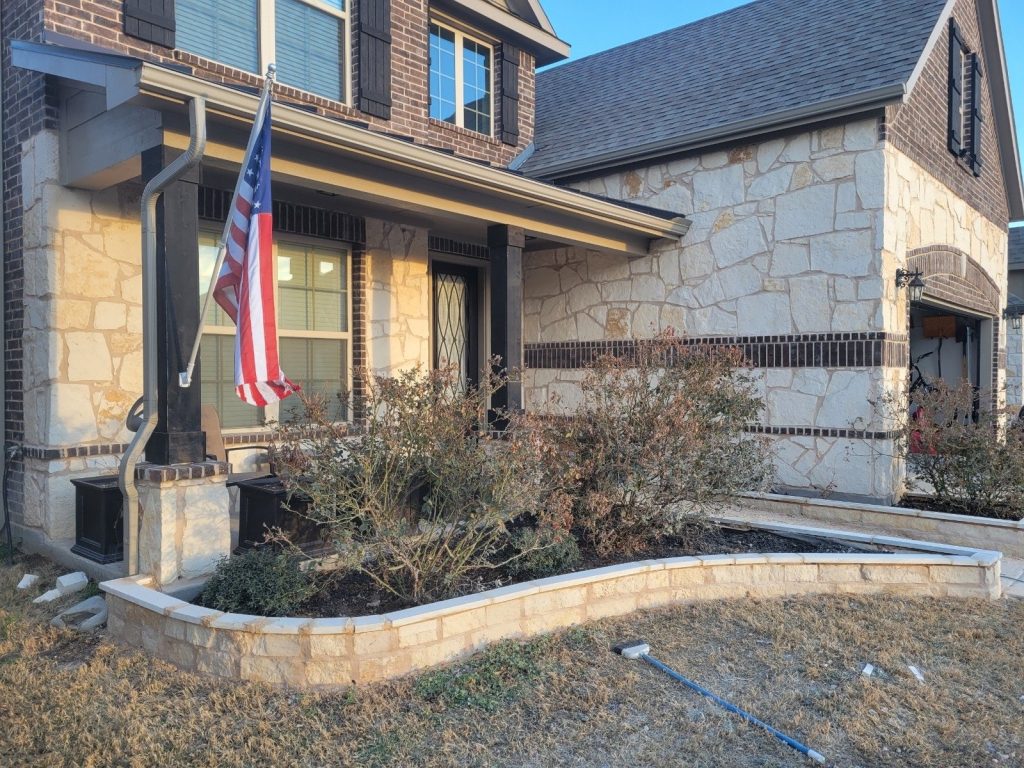
Expert Landscape Trimming for Clean, Defined Edges
If your hedges look a little “wild” or your shrubs have started to swallow walkways, you are not alone. In Plano, TX, fast growth plus changing seasons can make landscape maintenance feel like a moving target.
You planned for curb appeal, but now you are noticing uneven lines, overgrown shrub tips, and areas where mulch or edging gets covered. The big question is usually simple: should you trim now, and how do you keep everything looking sharp without damaging the plants?
This guide helps you understand what “clean, defined edges” really require, what to check before you cut, and how to plan landscape trimming that fits a typical Plano property. You will also find a practical checklist you can use during yard maintenance and a few common mistakes to avoid.
Quick Answer
Landscape trimming is the quickest way to restore clean lines, but the best results start with the right targets: hedge and shrub shape, edge boundaries, and clearance around hardscape. For most Plano yards, you will get the “defined” look by trimming lightly and often, rather than removing large amounts in one pass. If you have overgrowth near walkways, drainage areas, or irrigation components, consider a professional landscaping plan so cuts support plant health and keep your layout crisp. For related yard cleanup, review landscape removal when areas need a reset.
What to Check First
Before you grab shears, take 5 to 10 minutes to look at the whole property line. Clean edges are not only about cutting. They come from understanding where plants should stop, where they must stay clear, and what conditions affect regrowth.
1) Boundaries you want to protect
Decide where the “line” is: along a mulch bed edge, the border of a paver patio, the edge of a pathway, or the base of a fence run. Trimming is easiest when you can visually follow a consistent boundary.
2) Clearance zones
Check clearance around entries, steps, and pathway corners. If shrubs are brushing doors or narrowing a walkway, trimming becomes a safety and usability task, not just aesthetics.
3) Irrigation and drainage proximity
Look for sprinkler heads, drip lines, and low spots where water collects. Cuts that disturb irrigation or hide drainage issues can create new problems.
Professional observation: If the “messy” look is mostly from plants crossing bed lines, you can often fix it with trimming and edge cleanup. If the shape is already stressed or sparse, a reset may be better than repeated heavy cuts.
Main Things Customers Should Understand
“Landscape trimming” covers more than hedge clipping. To get defined edges that stay defined, you want a repeatable approach: consistent shaping, thoughtful removal, and maintenance that matches your plant type and your hardscape layout.
| Area to Trim | What a Clean Edge Looks Like | What to Avoid | Best Follow-Up |
|---|---|---|---|
| Hedge trimming | Even top line and consistent side taper so the hedge reads as a single, intentional shape | Cutting only the outside layer so the interior never fills in | Schedule ongoing landscape maintenance to keep the silhouette controlled |
| Shrub trimming | Rounded form that follows natural growth, with clear separation from mulch and walkway edges | Removing too much at once, which can leave bare patches | Plan for gradual shaping and targeted pruning |
| Hedge and bed edges | Sharp boundary where mulch stops and walkway/patio begins | Chipping too deep into bed edges or disturbing underlying material | Combine trimming with bed cleanup and edge refinement |
| Zones near irrigation | Plants trimmed back enough to prevent interference with sprinkler system installation components | Forcing growth over heads or cutting into areas where irrigation lines run | Coordinate with irrigation installation and seasonal checks |
For homeowners who are also updating the layout, trimming and installation work often go together. If you are planning improvements like edging, paths, or backyard living spaces, you may want to review pathway installation or consider how paver patio installation influences where shrubs should stop and how visibility changes at corners.
Why This Matters in Plano, TX
Plano properties often balance older established plantings with newer hardscape. As growth accelerates and then slows through seasonal swings, hedges and shrubs can drift into areas you need to keep functional, like entrances and side yard routes. Defined trimming also helps you spot issues sooner, including plants that are crowding drainage solutions or masking irrigation coverage problems.
If your yard includes updated irrigation or drainage planning, trimming becomes a “systems” task. That is where pairing trimming with irrigation upkeep helps. You can see how we approach irrigation work in sprinkler installation and irrigation, especially when plants and equipment share tight zones.
Practical recommendation: When trimming in Plano, aim for clean silhouettes and clear boundaries first. Then, do smaller follow-up touch-ups as growth returns. This keeps the “fresh” look longer without turning every maintenance day into a major cutback.
Representative Scenario
Imagine a Plano homeowner with a front bed that runs along a walk and around a small entry. Over a few weeks, the hedge started growing outward, and the mulch line became inconsistent. They tried to fix it with quick cuts, but the top line looked uneven and the sides never matched.
In a more structured approach, the first step is resetting the intended boundary along the walkway edge, then trimming the hedge to a consistent top and side profile. After that, a second pass focuses on the “transition” areas where the hedge meets pathway corners and where sprinkler heads need clearance. That sequence is what usually restores the defined look.
Need Help Getting Crisp, Even Edges?
Professional Landscape Trimming in Plano, TX
If you want shrubs and hedges to look intentionally shaped, and you would rather avoid trial-and-error cutting, contact Plano Landscaping Company to talk through your layout and maintenance goals.
Contact Plano Landscaping CompanyCommon Mistakes to Avoid
Most trimming problems come from a few repeat issues. If you recognize any of these, you can adjust your approach before you cut again.
Trimming without a boundary
Cutting “by eye” without a consistent line often creates waviness. Defined edges come from protecting bed-to-hardscape boundaries.
Removing too much in one session
Over-correction can leave sparse areas that look worse before they recover. Light, consistent trimming usually maintains shape better.
Ignoring drainage and irrigation proximity
If you trim plants right up against sprinkler heads or low spots, you can hide problems. Coordination helps avoid repeated fixes later.
Customer Checklist
- Identify the “edge line” for each bed: walkway, patio, pathway, or lawn border.
- Check clearance at entrances and corners so shrubs do not narrow travel paths.
- Look for irrigation components and keep plants trimmed back enough to access and maintain them.
- Trim hedges for a consistent top profile first, then match the sides.
- Shape shrubs gradually to avoid bare patches and uneven regrowth.
- Remove stray growth that crosses mulch boundaries so edges stay defined.
- Walk the yard after trimming to confirm the lines look even from street level and from key viewing spots.
Ready for Sharper, Cleaner Landscaping in Plano?
Keep Your Yard Looking Intentional
For residents and property managers in Plano, TX, landscape trimming is one of the fastest ways to refresh curb appeal and keep hardscape areas usable. If you want a plan that fits your property’s layout, reach out to Plano Landscaping Company.
Call (214) 624-6011FAQs
How often should I do landscape trimming in Plano, TX?
Most yards look best with light, consistent trimming rather than occasional heavy cutbacks. The right cadence depends on how quickly your hedges and shrubs grow and how close they are to walkways, patios, and irrigation zones. If your plants regularly drift over bed edges, scheduling more frequent touch-ups can keep the lines crisp and reduce the amount you remove at once.
What is the difference between hedge trimming and shrub trimming?
Hedge trimming usually focuses on maintaining a continuous silhouette, such as a consistent top line and even side profile. Shrub trimming tends to emphasize shape and health, often using a gradual approach so the plant fills in naturally. Both styles benefit from clean boundaries where mulch or planting beds meet hardscape.
Can trimming fix overgrown landscapes, or do I need landscape removal?
Trimming can restore defined edges when plants are simply out of shape or drifting into bed boundaries. If growth is too far gone, or if the layout no longer matches how you use the yard, a reset may be more efficient. If you are considering a larger change, you can review landscape removal to see how removal fits into a broader plan.
Will trimming affect my irrigation or sprinkler system installation?
It can, especially when plants grow close to sprinkler heads, drip lines, or access points. Trimming should include clearance checks so equipment stays reachable and coverage is not blocked. If you are planning irrigation installation or updates, coordinate trimming expectations with the layout so both plants and systems work together.
Why do my trimmed hedges look uneven from the street?
Uneven street appearance often comes from inconsistent top profiles, mismatched side taper, or trimming that targets only the outer layer. A structured approach includes stepping back to check the silhouette from key viewing angles and then doing a second pass to refine the shape. When boundaries are clear, the hedge reads as intentional rather than accidental.