
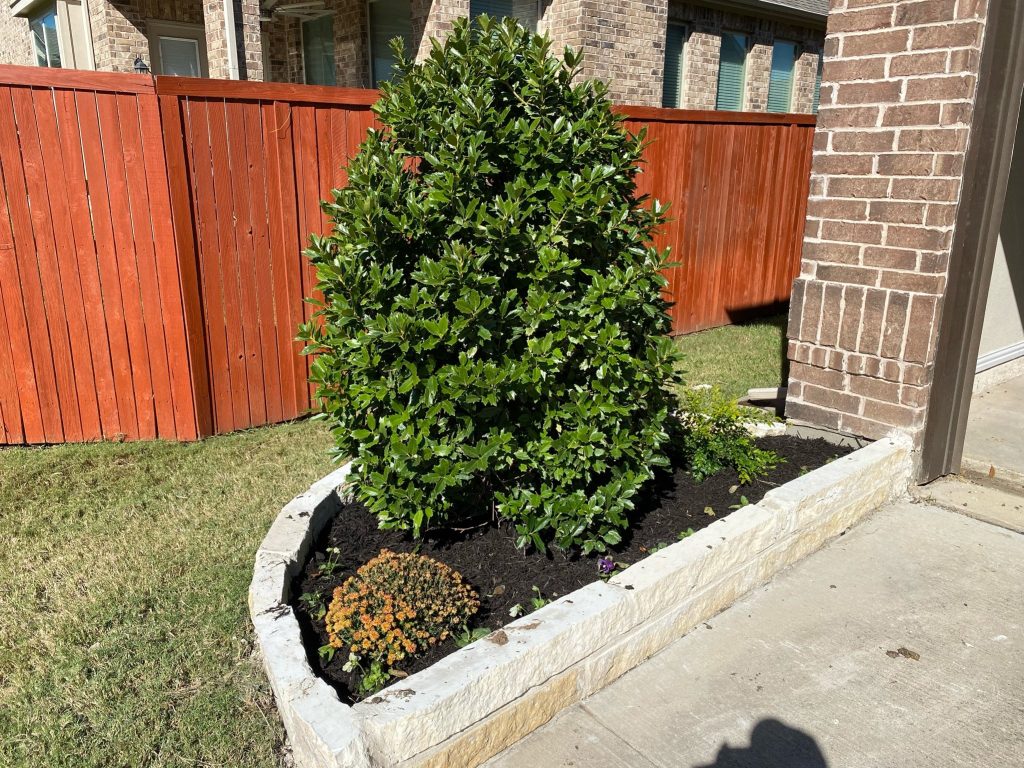
When Leaves and Overgrowth Signal Trimming Needed
If your Plano yard starts looking tired, messy, or uneven, it is often not “just leaves.” Overgrown shrubs, hedge lines, and layered plantings can block airflow, hide sprinkler coverage, and create bigger cleanup work later. This guide helps you spot the real trimming signals and decide what to handle first.
A few weeks after mowing season slows down, you might notice a thick layer of leaves along borders, seed heads hanging over walkways, and shrubs that have quietly expanded past their intended shape. In Plano, that “in-between” growth phase can happen faster when warm days and periodic rain keep plants pushing.
Then there are the practical problems: yard edges look unkempt, rainwater runs where it should not, and it becomes harder to see whether your irrigation is reaching everything. If you are weighing trimming vs. removal, this article will help you identify the signs, prioritize actions, and avoid unnecessary cutting.
- Quick answer
- What to check first
- Main things customers should understand
- Local factors in Plano, TX
- Common mistakes to avoid
- Customer checklist
- Frequently asked questions
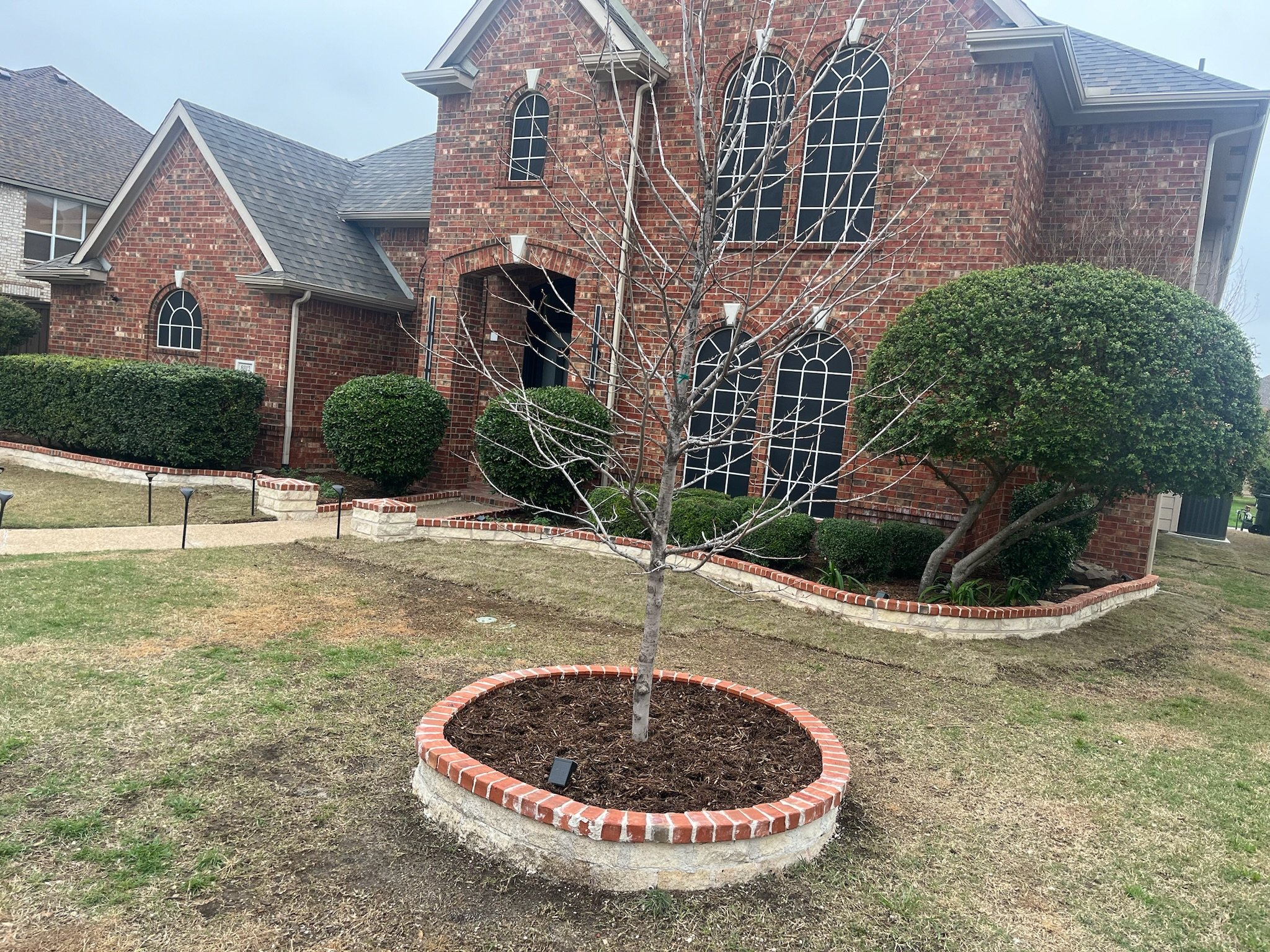
Quick Answer
If leaves are piling up inside shrub lines, hedges look “lumpy,” and branches are crossing into walkways or hiding irrigation coverage, trimming is usually needed. Start by checking airflow gaps, safety clearance, and where water is landing after rain. For most homeowners in Plano, a targeted landscape trimming schedule works better than waiting for a full seasonal cleanup. If plants are heavily overgrown, dead branches are mixed in, or you suspect landscape removal is required, plan a professional assessment so trimming does not become trial-and-error.
What to Check First
Before grabbing clippers, do a quick walk-through and “read” what your yard is telling you. Focus on three areas: (1) where leaves collect, (2) where growth is blocking access or lines of sight, and (3) whether irrigation coverage looks consistent beneath the canopy. These checks help you separate a simple tidy-up from a bigger maintenance or removal job.
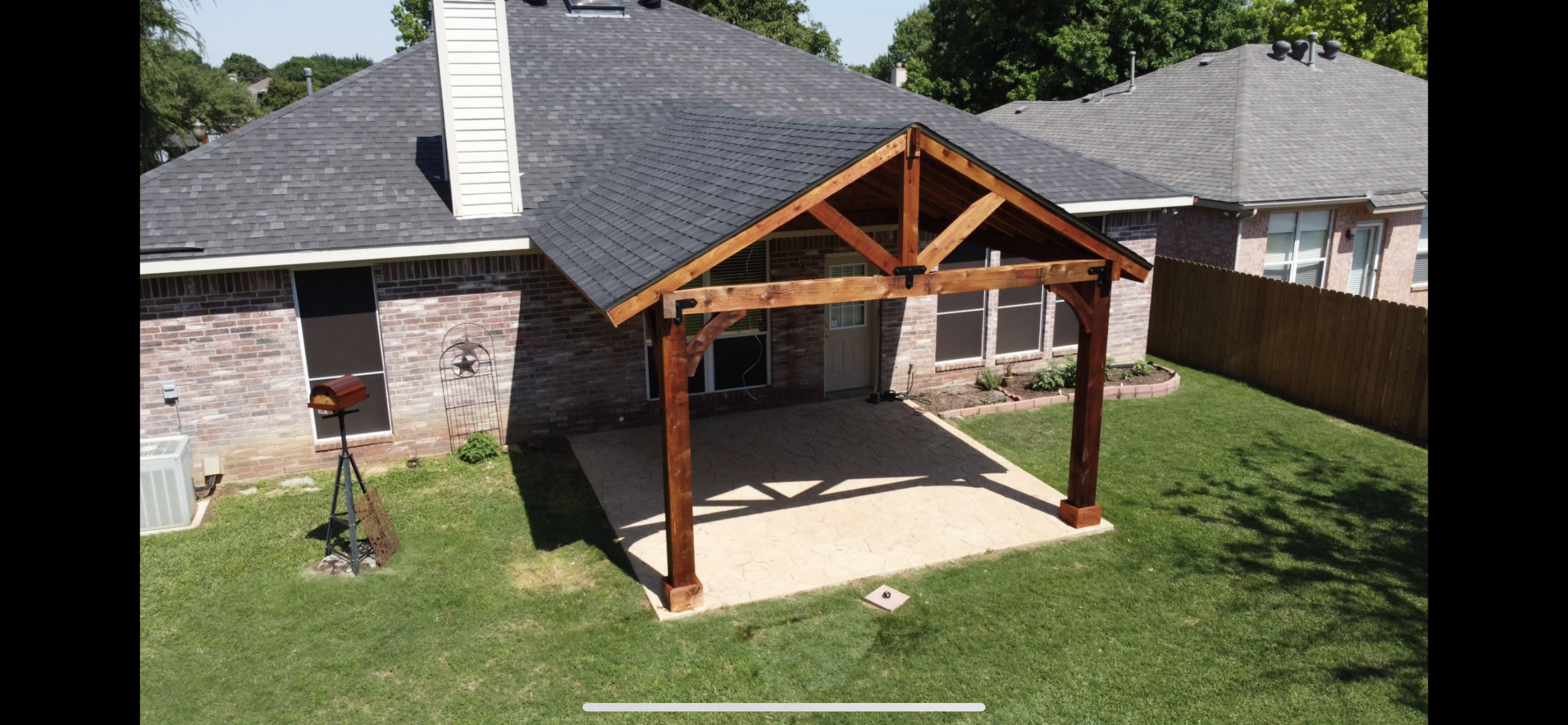
Professional observation: When leaves and debris collect deep inside shrubs, it often means airflow is trapped and the plant shape has drifted. That condition can make plants look worse month after month, even if you mow regularly.
Main Things Customers Should Understand
Trimming is not just for appearance. In Plano yards, overgrowth can affect how well plants dry after rain, how clean edges look along hardscapes, and whether your maintenance routine stays manageable. Understanding what you are seeing helps you choose the right approach for hedge trimming, shrub trimming, and ongoing landscape maintenance.
Leaf buildup inside plant beds
Leaves that collect in the “inner” parts of shrubs and hedges are a sign the plant has thickened. Light trimming can open the interior and reduce ongoing mess.
Edges creeping into paths
When growth reaches sidewalks, driveway edges, or entry steps, it creates a safety issue and adds extra cleanup every time you sweep.
Uneven shape and height drift
If one side is taller or the hedge looks “shadowed,” the plant may have been trimmed lightly for too long or not at the right intervals.
| What you notice | Most likely need | What to do next |
|---|---|---|
| Leaves and debris trapped inside hedges | Targeted landscape trimming | Open the interior and clean up the outer shape without stripping everything at once. |
| Branches overhanging walkways | Hedge trimming for clearance | Trim back to safe walkable clearance and restore a consistent line. |
| Heavy overgrowth, mixed dead material, or extreme fullness | Assessment for pruning plan or landscape removal | Get a professional look so cutting does not leave weak, uneven regrowth. |
| Debris buildup that keeps returning quickly | Maintenance schedule adjustment | Align trimming with your local growth cycle and keep edges maintained. |
Local insight: Many Plano properties blend mature shrubs with newer beds. When trimming is skipped, the older plants can dominate the space and make it harder for younger plantings to establish clean borders.
Why This Matters in Plano, TX
In Plano and across Collin County, seasonal growth can be steady enough that shrubs and hedges keep thickening between typical “spring cleanup” moments. That is when homeowners often notice leaves, seed heads, or clippings building up along fence lines and near home foundations. A thoughtful landscape trimming approach helps keep maintenance predictable and reduces the chance that debris ends up in gutters, walkways, or irrigation zones.
From an industry standpoint, one of the most common patterns we see is trimming that is either too light to change the plant’s interior density or too aggressive without a plan. Both can lead to uneven regrowth and repeated cleanup. A professional approach focuses on restoring structure first, then maintaining it.
Can trimming help when leaves keep piling up after mowing?
Yes. If leaves are accumulating inside shrub lines, mowing alone will not fix the “trapped” debris. Trimming can open the interior so leaves and airflow move through the plant more naturally. The goal is not removing everything, but restoring structure so your landscape maintenance stays easier between cleanups.
How do I know if I should trim or remove an old hedge?
Consider trimming first when the hedge is simply overgrown or out of shape. Removal is more likely when plants are heavily layered with dead material, the hedge has expanded beyond the intended border, or the area is hard to maintain year after year. A site assessment helps decide whether reshaping will work or whether landscape removal is the better path.
Will trimming affect irrigation coverage under shrubs?
It can. Overgrown shrubs may hide sprinkler coverage, and trimming can reveal whether irrigation is reaching the soil evenly. After trimming, it is a good time to confirm spray patterns and adjust as needed. If you are also planning irrigation installation or sprinkler system installation, coordinating timing can reduce rework.
Is hedge trimming the same as shrub trimming?
They overlap, but the approach can differ. Hedge trimming is often about maintaining a consistent line, height, and clearance, while shrub trimming may focus on shaping individual plants and keeping the interior from becoming too dense. Either way, a careful plan matters for healthy regrowth and a clean, natural look.
Need a trimming plan for your Plano yard?
Tell us what you are seeing, and we can help you decide whether landscape trimming is the right next step or if landscape removal is the better fit.
Explore landscape removal optionsCommon Mistakes to Avoid
When leaves and overgrowth pile up, it is tempting to “fix everything” quickly. That often backfires. Here are common mistakes homeowners make in Plano, and what you can do instead.
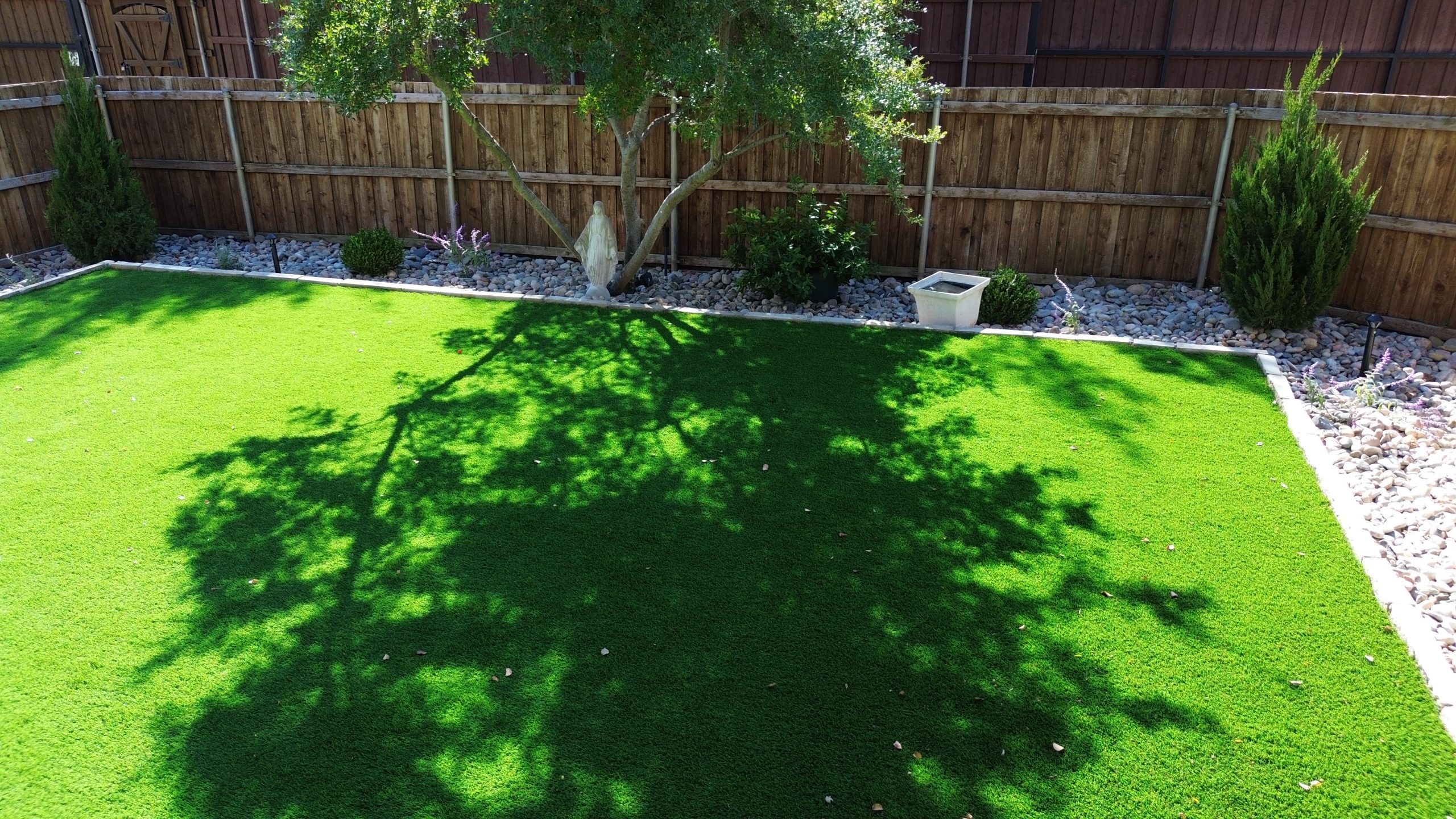
- Cutting without checking clearance. Trimming back to a random height can still leave branches too close to walkways or entry points.
- Removing only the outside leaves. If debris is trapped inside, outer tidy-up alone will not restore airflow.
- Waiting until the hedge is extremely overgrown. The longer you wait, the more difficult it becomes to reshape without uneven regrowth.
- Ignoring irrigation visibility. If shrubs block sprinkler coverage, you may be trimming a problem while the real cause is watering inconsistency.
- Forgetting the edges near hardscapes. Overgrowth can push into paver patio installation areas, pathway installation borders, or fencing lines, increasing cleanup and wear.
Customer Checklist
Use this quick checklist before you schedule trimming. It helps you describe the problem clearly and ensures you prioritize what matters most for your yard in Plano, TX.
- Identify where leaves collect most (inside hedges, near fence lines, or along foundation edges).
- Check clearances for walkways, entry steps, and driveway edges.
- Look for uneven height or lopsided growth along the hedge line.
- Confirm whether sprinkler coverage is visible beneath plant canopy.
- Note any dead branches mixed into otherwise healthy growth.
- Decide if you need simple landscape trimming or a broader plan that may include landscape removal.
Representative Scenario: A Plano Hedge That Kept Getting Worse
A homeowner in Plano noticed the hedge along the front walkway looked “messy” even after mowing and sweeping. Leaves kept showing up in the same spots, and branches began creeping closer to the path. After a walkthrough, the issue was not just seasonal debris. The hedge had thickened enough that airflow was trapped, and the plant shape had drifted out of its intended line. A targeted shrub trimming approach restored structure, reduced interior leaf buildup, and made ongoing landscape maintenance simpler.
Frequently asked questions
Below are a few practical questions we hear from homeowners deciding whether it is time for trimming, deeper cleanup, or landscape removal in Plano, TX.
How often should I schedule landscape trimming?
There is no single schedule that fits every property, because hedge density, sun exposure, and plant types vary. A practical starting point is to trim before overgrowth becomes hard to manage and before debris buildup starts repeating in the same areas. If you want a maintenance plan tailored to your yard, Plano landscaping services can assess your current growth and recommend a simple rhythm for landscape maintenance.
What should I do right after trimming?
After trimming, sweep or remove clippings from walkways and near hardscapes so leaves do not keep accumulating in the same places. Also take a moment to observe how water reaches the soil under shrubs. If you suspect irrigation is inconsistent, coordinating with irrigation installation or sprinkler system installation planning can help prevent future issues.
Can trimming help with yard drainage solutions?
Trimming can indirectly support drainage solutions when overgrowth blocks water pathways or hides areas where runoff collects. For example, if shrubs are pushing into borders near grading, restoring shape can make it easier to spot where water is landing. If you are actively dealing with landscape drainage, pair trimming with a plan for yard drainage solutions so the landscape stays functional, not just neat.
Do you also handle related services like sod installation or lawn care maintenance?
Yes. Many homeowners bundle landscape trimming with other improvements so the yard looks consistent from season to season. If you are refreshing plant beds or updating lawn edges, you may also want to review lawn care maintenance services or sod installation for a more complete, finished look. You can explore options such as lawn care maintenance and sod installation to plan your next steps.
Ready to tidy up your landscape in Plano, TX?
If leaves and overgrowth are signaling trimming is overdue, plan the next step now instead of waiting for the mess to spread. We can help you choose the right approach, from landscape trimming to landscape removal when appropriate.
Call Plano Landscaping CompanyHelpful reading if you are planning broader yard work: sprinkler system installation, landscape lighting installation, and pathway installation.

About Plano Landscaping Company
Plano Landscaping Company provides landscaping services across Plano, TX and Collin County, including landscape trimming, landscape removal, irrigation installation, and related outdoor upgrades. Our goal is to keep properties looking clean and functioning well through practical, maintenance-focused care.