
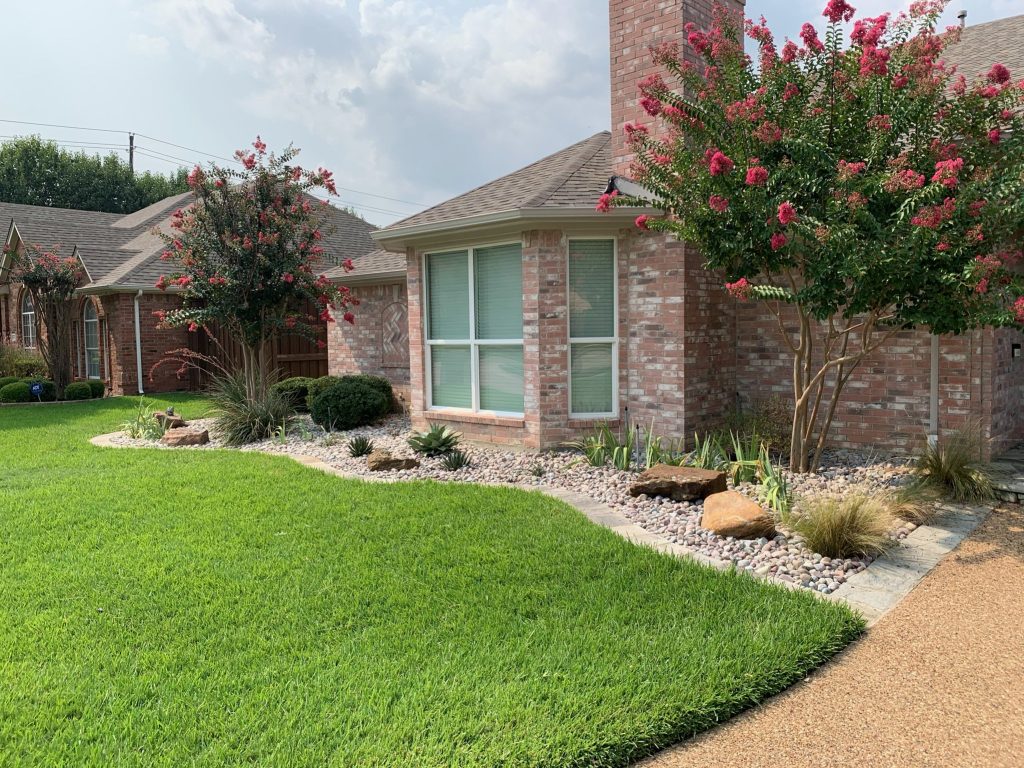
Sod Installation for Patchy Lawn and Bare Spots
If you are dealing with thin grass, worn areas, or bare spots around walkways, play zones, or sprinkler lines, sod can help you restore coverage faster than waiting for seed to fill in. In Plano, TX, we see these issues most often after irrigation changes, heavy foot traffic, or old landscaping removal that leaves the surface uneven.
A few weeks after a spring cleanup, your lawn can look fine from the street, then you step outside and notice it. A few patches are staying dull, the color does not match, and some areas feel spongy or dry compared to the rest of the yard.
In Plano, TX, patchy turf often comes down to a simple mismatch: the existing ground is not prepared the same way across the yard, and the irrigation coverage is not consistent over time. This guide explains how sod installation typically gets done for bare spots and why the prep work matters as much as the sod itself.
You will also find a quick way to decide what to inspect first, common mistakes that slow recovery, and a practical checklist you can use before the first delivery.
- Quick answer
- What to check first
- Main things customers should understand
- Why this matters in Plano, TX
- Common mistakes to avoid
- Customer checklist
- Frequently asked questions
Quick Answer
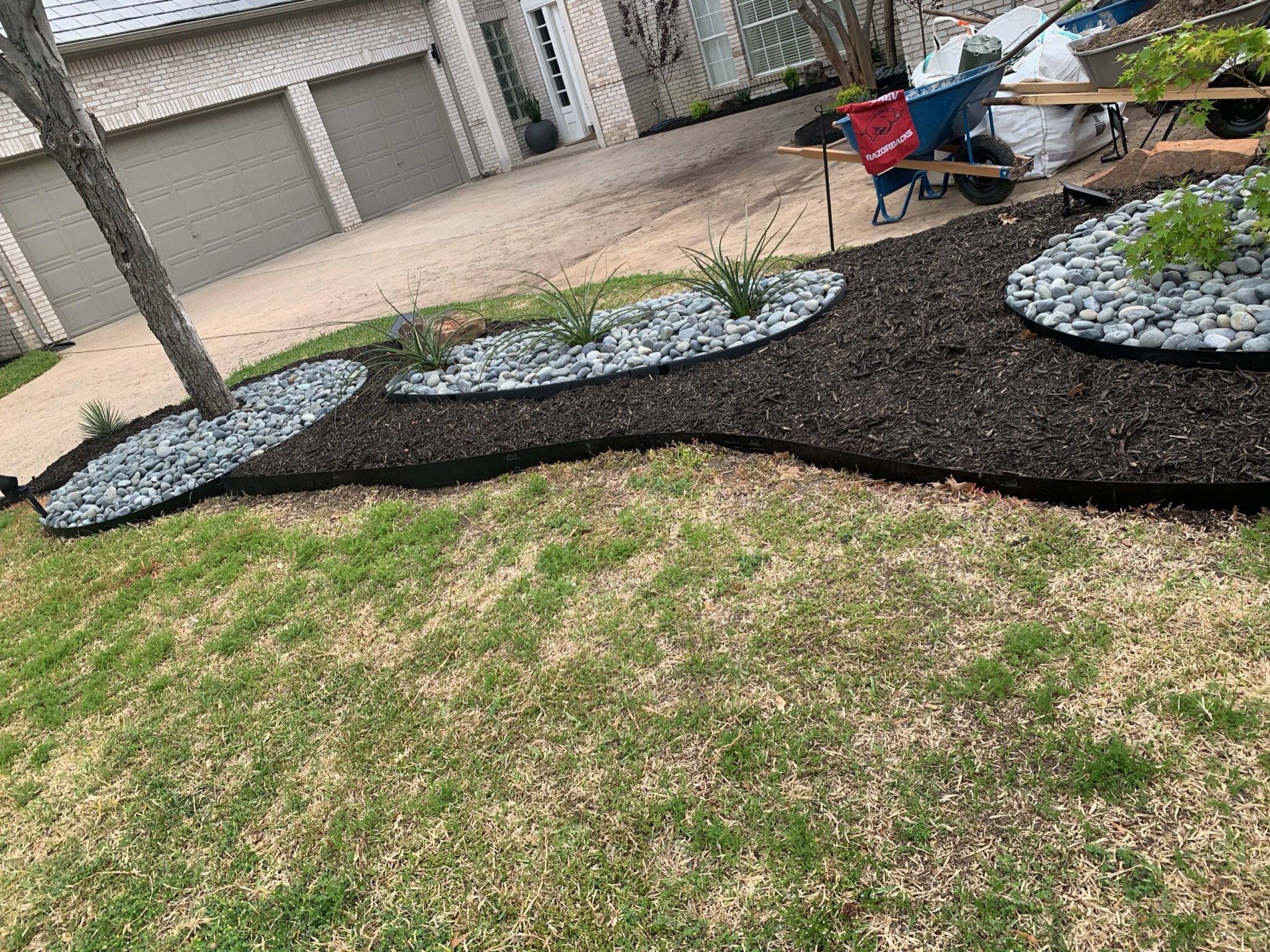
Sod installation is a practical way to cover bare spots and repair patchy lawn, but success usually depends on site prep and water coverage, not just laying grass. Start by checking whether the problem areas are consistently getting water and whether the soil surface is even and firm. If the area is low, repeatedly dries out, or has visible compaction, the sod may not root evenly. A local landscaping team in Plano can assess the area, prepare the soil, and recommend sod placement that blends with the rest of your yard.
What to Check First
Before you replace turf, take a quick look at how the bare spots form. Are they near a sprinkler head, along a footpath, or where water puddles after watering? Patchy areas often point to an irrigation coverage issue, an uneven grade, or a localized surface problem that will show up again even after sod is installed.
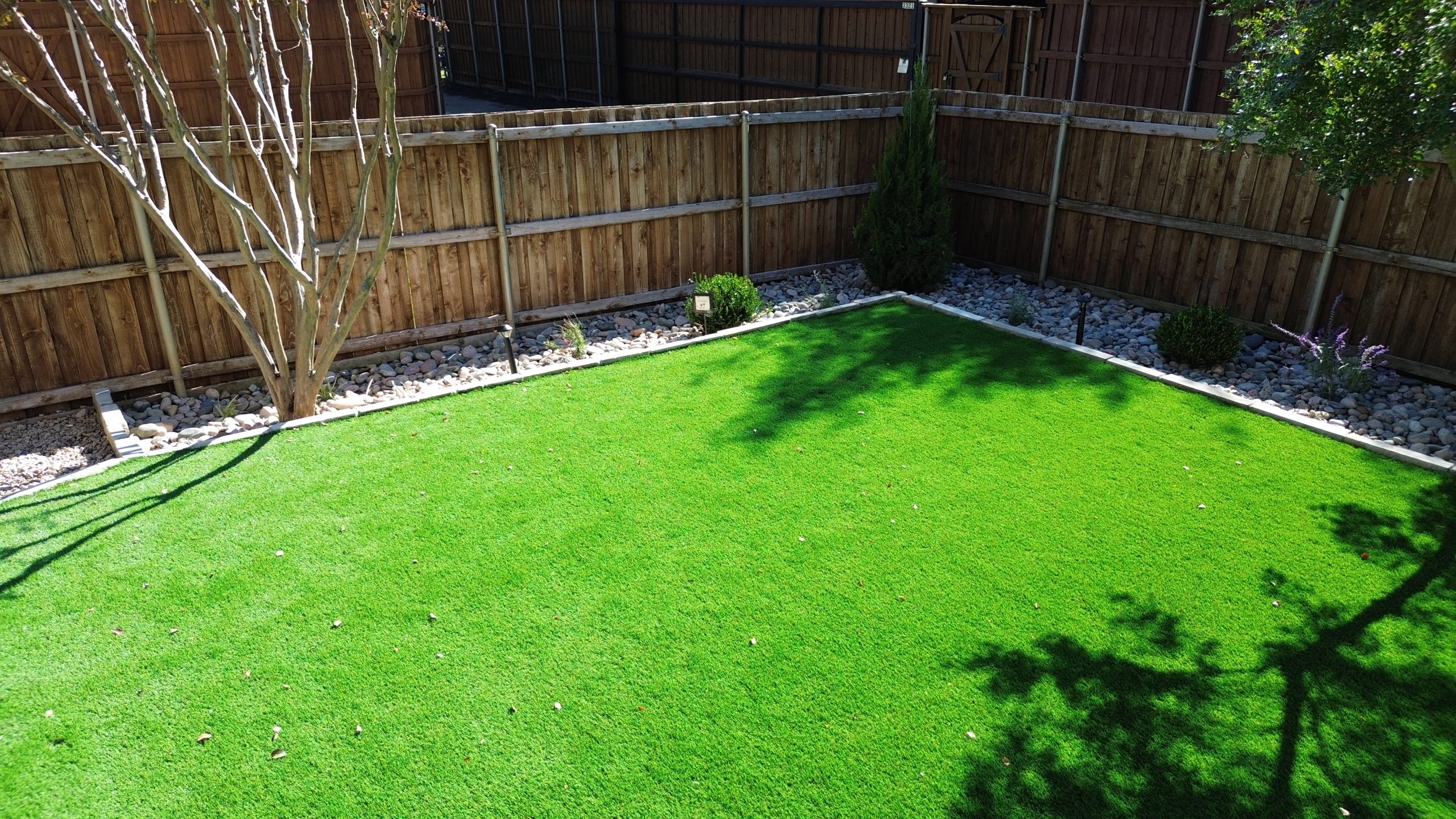
Professional observation: Patchy lawn repairs tend to last longer when you treat the cause of the problem, such as irrigation coverage or surface leveling, not only the appearance of the grass.
Match the water pattern
Walk your yard and note which spots stay greener, and which dry out. Uneven watering can create “islands” of healthy grass next to thin areas.
Confirm the surface is ready
If the ground is soft, sunken, or uneven, sod can settle at different depths and root unevenly.
Consider what was removed
If old landscaping was taken out, the remaining surface may need adjustment before sod installation. For related work, explore landscape removal.
Main Things Customers Should Understand
Most homeowners expect sod to “take” quickly, but the first days after installation are about contact and rooting conditions. That means the surface needs to be properly prepared so the sod stays in full contact with the ground. If there are gaps, clumps, or a wavy grade, the edges can dry first and the repair becomes obvious.
Firsthand-style observation: In Plano yards, we often see bare spots show up after changes to irrigation zones, new hardscape, or older areas that were never re-leveled. When the surface stays uneven, sod can look good at installation and still fail to blend weeks later.
Here are the main factors that typically drive how well sod repairs match your existing lawn:
- Soil readiness and leveling: Sod performs best when the surface is even enough that the pieces sit flat, with no “rocking” edges.
- Water coverage: The sod needs consistent moisture during establishment. If some areas get too much or too little, patchiness returns.
- Weed and debris removal: Old plant material and uneven debris can prevent full contact and slow rooting.
- Traffic and timing: Areas that get heavy foot traffic or frequent use may need extra care during establishment.
- Blending the edges: A clean border and proper integration with surrounding turf helps the repair look natural.
If your lawn issues connect to irrigation, it can help to review your system performance. Learn more about sprinkler system installation and irrigation as part of a more complete lawn plan.
Why This Matters in Plano, TX
In Plano, TX and throughout Collin County, yards experience rapid seasonal swings and lots of sun exposure, which makes watering consistency a bigger deal than people expect. When patchy areas line up with sprinkler patterns, it usually means the irrigation coverage is uneven or the area has an odd grade that changes how water lands.
Another common local scenario: after landscaping updates, the surrounding surface may be left slightly lower or higher than the original lawn. Sod can still be installed, but blending is easier when the surface is prepared to match the rest of the yard. If you are also planning other outdoor improvements, it can be helpful to coordinate lawn work with landscape installation so the grade and edges work together.
| Situation you notice | What it often indicates | What to consider |
|---|---|---|
| Bare spots near a sprinkler head or along a watering line | Irrigation coverage mismatch | Have the affected zones evaluated before installing new sod. |
| Thin turf in a strip next to a walkway or driveway | Surface grade or edge contact issues | Confirm the border is prepared so sod edges stay in full contact. |
| Patches that feel uneven or “soft” compared to the rest of the yard | Local soil or compaction problem | Surface prep matters before the sod goes down. |
| Areas that dry out quickly even when other spots look fine | Low moisture retention or uneven watering | Check both watering and surface consistency before repair. |
Need help deciding if sod is the right fix?
Describe where the bare spots are showing up in your Plano, TX yard, and we can help you think through what to inspect first.
Call Plano Landscaping CompanyCommon Mistakes to Avoid
Most sod problems are preventable. The common mistakes below are the ones we see after patch repairs where the lawn looks better on day one but does not hold up as the season moves forward.
- Skipping surface prep: If the area is not leveled and cleared, sod edges can dry out sooner and seams become visible.
- Installing without checking irrigation coverage: Even good sod can fail if the establishment moisture is uneven. If you suspect sprinkler issues, review irrigation performance.
- Waiting too long to address recurring bare zones: If the cause is still there, the problem area will likely continue to reappear.
- Ignoring nearby hardscape edges: Walkways and other yard features can change how water spreads and how sod sits. If you have outdoor projects, coordinate timing and grade.
- Assuming all patches are the same: A patch near foot traffic may need different handling than a patch caused by uneven watering.
If part of the bare spot story is aging or changing outdoor structures, you may also be planning related work. For example, homeowners sometimes pair turf repairs with updates like pathway installation to clean up edges and improve runoff flow.
Customer Checklist
Use this checklist before you schedule sod installation services. It helps you confirm you are addressing the cause of patchiness, not just the surface appearance.
- Identify exactly where the bare spots are (near sprinklers, along edges, or in high-traffic zones).
- Observe whether the same areas stay dry or stay greener after watering.
- Check whether the surface feels uneven, soft, or sunken where the sod will go.
- Look for debris, old roots, or leftover material in the repair area.
- Plan to protect the area during establishment so the sod stays in full contact.
- If you suspect irrigation issues, schedule an irrigation check before the repair.
Representative Scenario
A Plano homeowner noticed three bare strips across the front yard, each roughly matching the edges of where sprinkler water seemed to land. Instead of replacing the whole lawn, they focused on the specific affected areas. After the surface was prepared to sit level with the surrounding turf, sod was installed and the team paid close attention to how the repair zone stayed moist during establishment. The result blended better because the repair matched both the ground conditions and the watering pattern.
Frequently asked questions
How do I know if sod is better than re-seeding for my bare spots?
Sod is often the practical choice when you want faster coverage for visible bare areas, or when you need a clean blend at edges like walkways or lawn borders. Re-seeding can work for broader areas, but if your patchiness is caused by uneven watering or a localized surface problem, both seed and sod can struggle unless the underlying issue is addressed. A site check can help confirm whether the repair is mainly about coverage speed or about conditions that need correction.
Will sod match my existing lawn color and thickness?
Matching depends on how the new sod integrates with the surrounding turf and how consistent the establishment conditions are. When the surface is prepared properly and the watering is consistent in the repair zone, the blend typically looks more natural over time. If your lawn already has uneven growth from irrigation coverage or surface conditions, fixing that first often improves how well the repair looks as it roots in.
Can I repair small bare patches without redoing the whole yard?
In many Plano yards, small patch repairs are a realistic approach. Sod can be installed in targeted areas when the surface is prepped and the borders are integrated cleanly with the surrounding lawn. The key is making sure the patch area is prepared to the same level and moisture conditions as the rest of the turf. If the bare spots are caused by a broader irrigation pattern issue, a targeted repair may not hold without addressing the watering zone.
Do I need to adjust irrigation before sod installation?
If you are seeing bare spots that repeatedly line up with sprinkler coverage, it is worth reviewing the irrigation pattern before installing sod. Consistent moisture helps sod establish evenly. Even if you plan to repair only one area, uneven watering can cause the repair to dry out or grow differently than the surrounding lawn. For help with irrigation work in the Plano area, you can also explore sprinkler system installation and irrigation.
What should I do during the first days after sod is installed?
During establishment, your main goal is protecting full contact between the sod and the prepared surface. Avoid unnecessary foot traffic and follow the watering approach your installer recommends for the repair zone. If the area dries out too quickly or is getting inconsistent moisture, patchiness becomes more likely. If you notice the repair zone behaving differently from the surrounding grass, reach out so the conditions can be adjusted.
Ready to restore your lawn in Plano?
For sod installation services focused on patchy lawn and bare spots, contact Plano Landscaping Company. We can help you assess the area, plan the repair, and coordinate the work with irrigation and site prep.
Explore Sod Installation
About Plano Landscaping Company
Plano Landscaping Company provides landscaping services for homeowners and property managers across Plano, TX and Collin County. Our team focuses on practical outdoor improvements, including sod installation, landscape installation, irrigation and sprinkler system work, and related yard upgrades to help properties look their best.