
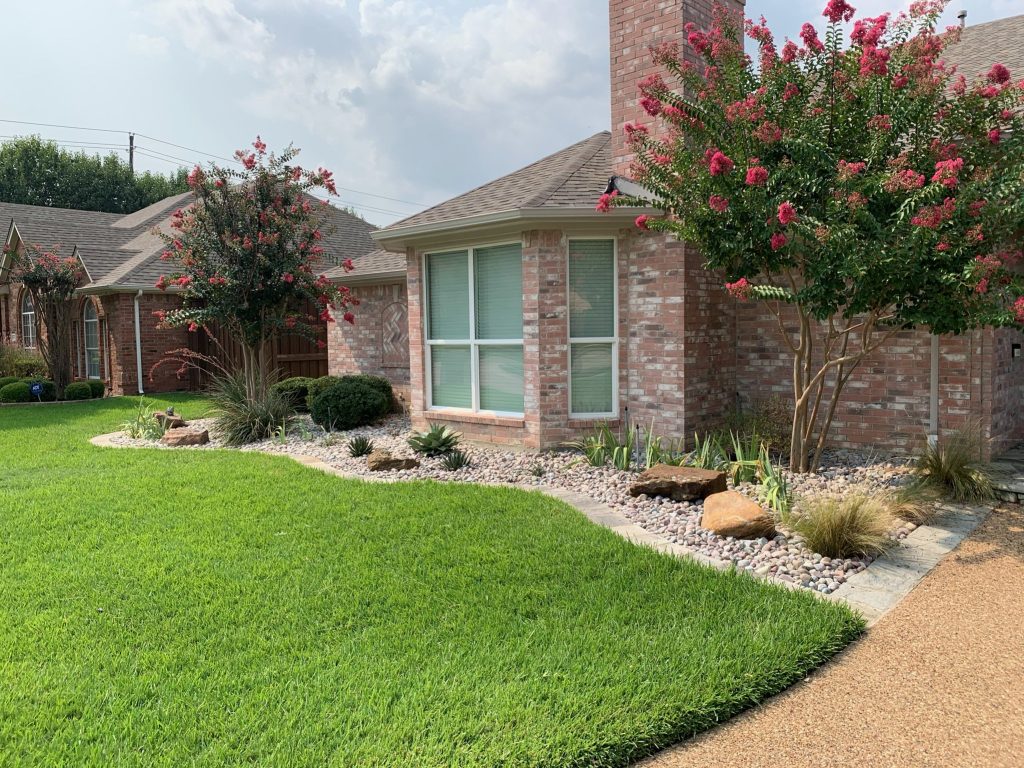
Fix patchy turf in Plano, TX with the right sod plan
If you are seeing dead circles, worn paths, or thin areas that never seem to thicken up, sod installation can be a practical way to restore a uniform lawn. This guide explains what causes problem spots, what to check before installing, and how to set your new sod up to root well in Plano’s conditions.
You step outside and notice it again. A strip near the driveway looks tired. A few spots in the yard stay thin no matter how you water, and the rest of the lawn looks fine.
In Plano, TX, those dead spots usually show up where the lawn gets extra stress, like foot traffic, drainage issues, irrigation that does not reach evenly, or soil that has been disturbed in the past. If you keep reseeding without addressing the underlying cause, the “patch” often returns.
This guide helps you understand when sod installation makes sense, what to verify before the first roll goes down, and how to avoid the most common mistakes that leave thin grass problems behind.
- Quick answer
- What to check first
- Main things customers should understand
- Local factors in Plano, TX
- Common mistakes to avoid
- Customer checklist
- Frequently asked questions
Quick Answer
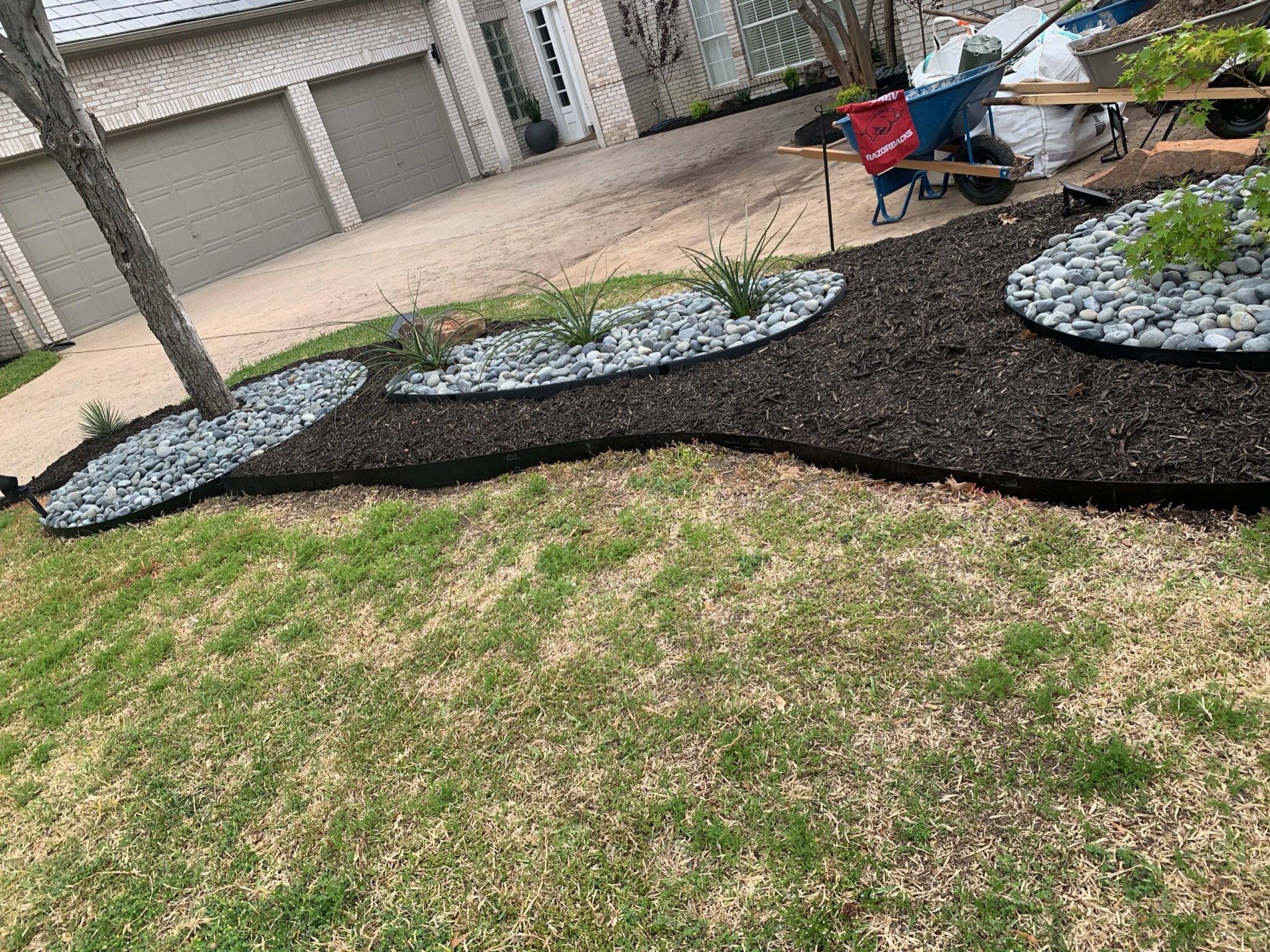
If you have dead spots or thin grass that keep coming back, sod installation can be the fastest path to a consistent look, as long as the prep matches the cause. Start by checking drainage, irrigation coverage, and soil condition where the problem shows up. If the area stays wet, dries too fast, or has uneven watering, new sod will struggle. A practical recommendation is to have a local landscaping crew evaluate the spot before installing, then confirm irrigation and site prep are addressed so the sod roots properly.
What to Check First
Before ordering sod, walk the area like a homeowner and like a contractor. You are looking for clues about why the grass thins out. If the problem spot overlaps with a sprinkler head, a downspout line, a low area, or a zone that gets more sun or shade, that is your first lead.
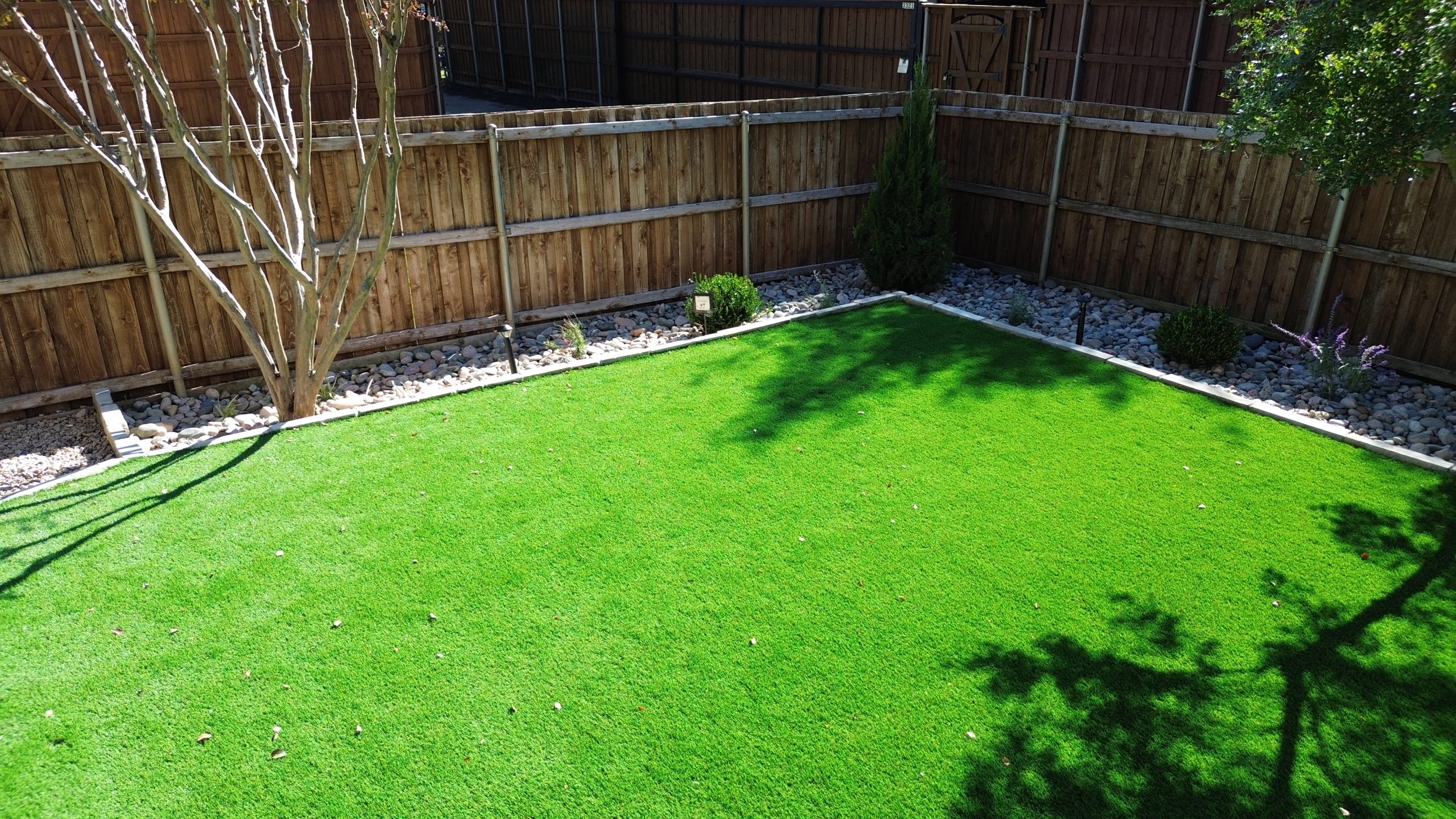
Professional observation: Thin grass is often a symptom. The real issue is usually watering coverage, drainage, or soil compaction, not the grass variety alone.
Main Things Customers Should Understand
Sod installation for dead spots and thin grass is not just laying rolls. It is a short sequence of decisions that affect how quickly the turf establishes and how evenly it blends with the rest of your yard. Here are the main factors to plan around.
1) Site prep and leveling
Problem areas often have uneven grade from previous repairs, foot traffic, or settling. If the surface dips or rises, water collects or runs off, and sod rooting becomes inconsistent.
2) Soil condition
If the ground is compacted, disturbed, or too shallow for roots, sod can struggle to anchor. Preparing the base helps your lawn transition from “new” to “established” without gaps.
3) Irrigation coverage
Even in a good sprinkler system, coverage can be uneven. Thin strips or dry rings around problem spots can point to sprinkler alignment, pressure issues, or blocked heads.
Because many dead spots show up after landscaping work or utility access, it helps to think about what changed. If you recently had landscape removal, irrigation adjustments, or any drainage work, the affected zone may need a reset before sod installation. For related services, you can review landscape removal and sprinkler installation and irrigation to understand how site conditions are corrected before turf goes down.
Why This Matters in Plano, TX
Plano’s lawns can face real swings in stress across the year, and problem spots often show up in the same places: areas that dry faster, places that receive runoff, and zones where foot traffic concentrates. When sod is installed on a surface that still has the same water and drainage imbalance, the “dead spot” pattern tends to repeat.
Local tip: If your thin grass area lines up with a drainage path or a spot that stays damp after watering, ask your installer how they will handle grade and moisture balance before laying sod.
| What you notice | Likely cause | What sod installation should address |
|---|---|---|
| Dry ring or thin circle around a spot | Irrigation coverage that is too light or misaligned | Confirm coverage and adjust irrigation so the new sod gets consistent moisture |
| Low area that stays wet | Drainage imbalance or grade issues | Fix grade and prep the base so water does not pool around the roots |
| Patch that worsens near walkway or driveway | Compaction from foot traffic and disturbed soil | Prep the base to improve anchoring and reduce recurring disturbance |
| Thin strip that never fills in | Uneven sun/shade or consistent watering mismatch | Match site conditions to the sod plan and verify watering schedule after installation |
Need help deciding if sod is the right fix?
Plano homeowners often get the best results when the installer checks irrigation coverage and site prep before laying sod. If you want a practical assessment for your dead spots or thin grass, contact Plano Landscaping Company.
Learn about sod installation servicesCommon Mistakes to Avoid
These are the issues we see most often when homeowners try to fix dead spots on their own or when a sod project moves forward without addressing the real cause.
- Laying sod on uneven grade without addressing low or high spots
- Skipping irrigation coverage checks, then expecting new turf to “just take”
- Overwatering or underwatering right after installation, which delays rooting
- Ignoring soil that is compacted or disturbed from prior work
- Assuming the problem is only the grass variety when it may be drainage or compaction
If the dead spots connect to broader landscaping changes, it can help to coordinate turf with other outdoor elements. For example, if you are improving walkways or outdoor living spaces, you may also want to review pathway installation or lawn care and maintenance so the lawn plan stays consistent during and after the project.
Customer Checklist
Use this checklist to prepare for sod installation for dead spots and thin grass in Plano. It helps you ask the right questions and confirm the work plan matches your yard’s needs.
- Identify the exact problem spots and note whether they dry out quickly or stay damp
- Observe whether the spots line up with sprinkler heads, drainage paths, or downspouts
- Confirm the area has not been recently disturbed by landscape removal or utility access
- Ask how the installer will prep the base for consistent grade and rooting
- Ask how irrigation will be verified so new sod receives consistent moisture
- Plan for follow-up care during the rooting period so the turf blends in evenly
Representative scenario: a thin strip near a driveway
A Plano homeowner notices a narrow strip along a driveway that stays thin even when the rest of the yard looks healthy. After closer inspection, the strip aligns with a sprinkler that does not fully reach that edge. The sod rolls install successfully, but the homeowner sees delayed blending because that zone continues to receive less water. The fix is straightforward: confirm irrigation coverage and adjust the system so the new sod gets consistent moisture. Once watering matches the site, the sod establishes more evenly and the lawn looks uniform.
Frequently asked questions
How do I know if sod is better than trying to reseed?
Sod is often a practical choice when you want faster visual results or when the dead spots are tied to a repeatable issue like drainage imbalance, compaction, or irrigation coverage. If the underlying cause is still present, reseeding can keep failing in the same location. A good next step is to have someone evaluate the site conditions at the problem area so the fix addresses moisture and grade, not only the grass.
Should I fix drainage before sod installation?
If a spot stays wet or shows pooling after watering, drainage and grade should be addressed before laying sod. New turf cannot root properly in conditions that keep moisture sitting at the surface. In many yards, the solution includes base prep and leveling so water moves the way it should. If you are unsure, focus on how the area behaves after watering and during rain and discuss it during your sod planning.
Can existing sprinklers cause thin grass spots?
Yes. Uneven sprinkler coverage can create dry rings, thin strips, or patchy areas that never fill in. Misalignment, blocked heads, or inconsistent pressure can leave parts of the lawn under-watered. When sod is installed, it depends on moisture during the establishment period, so confirming irrigation coverage before and after installation is a practical step.
What should I do after sod is installed?
After installation, the goal is consistent moisture and minimal disturbance while the roots establish. Follow the care guidance provided for watering and foot traffic, and keep an eye on any spots that seem to dry faster or stay damp. If you notice persistent uneven performance in the same area, address it early by checking irrigation coverage and the way water moves across the surface.
Do you also help with lawn care and ongoing maintenance?
Yes. Sod installation is a strong start, and ongoing lawn care helps the turf stay thick and uniform over time. If your yard has other trouble areas, you may want a maintenance plan that supports healthy growth. For more information, you can review lawn care and maintenance for practical steps that fit real homeowner schedules in Plano.
Ready to restore your lawn in Plano?
For dead spots and thin grass, the right sod installation plan starts with correct prep and a moisture setup that matches your yard. Contact Plano Landscaping Company to talk through your problem areas.
Call Plano Landscaping Company
About Plano Landscaping Company
Plano Landscaping Company provides landscaping services in Plano, TX and across Collin County, including sod installation for dead spots and thin grass. Their focus is practical, site-focused turf repair and outdoor improvements that help your lawn look better and stay healthier over time.