
Signs Your Yard Needs Landscape Removal Service
If your yard feels “stuck” between old landscaping and a fresh start, landscape removal is often the missing step. In Plano, TX, homeowners deal with established beds, outdated hardscape, and irrigation that may not match the new layout. The right removal can prevent uneven surfaces, improve drainage, and set the stage for clean landscaping installation.
Last summer, you might have noticed your front yard “looks fine” from the street, but up close it is uneven, patchy, and harder to maintain than it should be. Or maybe you are preparing for a new paver patio, a fresh lawn plan, or a revised irrigation layout, and the existing beds and materials are getting in the way.
In Plano, TX, landscape projects can stall when old vegetation, roots, and outdated materials are left in place. This guide helps you recognize when landscape removal services make sense, what to check before scheduling work, and how to plan the next steps so your new landscaping looks sharp and functions well.
- Quick answer
- What to check first
- Main things customers should understand
- Why this matters in Plano, TX
- Common mistakes to avoid
- Customer checklist
- Frequently asked questions
Quick Answer
If you are planning new landscaping, irrigation changes, or hardscape upgrades and the existing beds, roots, or materials are interfering, landscape removal is usually the right starting point. A clean removal helps prevent uneven settling, reduces “hidden” problem areas under old turf or mulch, and creates a stable base for landscape installation. Before you schedule, assess where the old material is failing and confirm whether you need full removal or targeted removal. For Plano, TX properties, getting this step right can save time during installation and reduce rework later.
What to Check First
Start with a simple walkthrough: look for areas that stay wet longer than the rest of the yard, spots where plants are repeatedly coming back in the “wrong” places, and sections where the soil looks layered or compacted. If you are seeing lifting, sinking, or cracking around existing features, that often points to materials and roots that need to be removed before a new surface goes in.
Signs removal is likely needed
- Old beds are overgrown or hard to define
- Roots are pushing up edging or pavers
- Mulch or turf layers look uneven and “stuck”
Signs you may need targeted removal
- Only one side yard or a single bed is failing
- Existing irrigation is mostly usable
- Hardscape changes are limited to one area
Signs removal is the foundation step
- You are switching to new lawn layout
- You are adding drainage solutions
- You are preparing for outdoor living upgrades
Main Things Customers Should Understand
Landscape removal is not just “taking things out.” It is about preparing the site so new landscaping installation, irrigation, and hardscape work can be done cleanly. In Plano, TX, yards often have years of growth, old edging, and layered materials that can interfere with proper leveling and long-term stability.
Professional observation: If you can pull up a corner of old turf or loosen mulch and you find thick thatch or roots underneath, the base is usually not ready for a neat transition. Removal helps prevent new materials from settling unevenly.
1) The scope of your next project
If your plan includes paver patio installation or a new pathway, leaving old materials can create a false base. Roots and compacted layers can lead to shifting or gaps over time. Removal clarifies the site and helps crews build a consistent foundation.
2) Irrigation and sprinkler system changes
Sometimes the yard is “fine” until you try to adjust irrigation zones. Old sprinkler lines, mismatched heads, or buried components can limit how your new landscaping layout functions. If you are updating watering coverage, it may be smarter to plan removal alongside sprinkler system installation so everything lines up with the new beds and turf areas.
3) Wet areas and drainage concerns
When water sits in the same spots after rain, it is usually telling you something about the surface grade or subgrade condition. Old layers under turf, compacted zones, or buried organic material can affect how water moves. Removal can be part of creating a yard that drains where you want it to drain, before you add new sod, seed, or landscaping.
4) Overgrown or “blended” beds
In many Plano yards, beds expand over time. If the boundary is unclear, crews may have to work around existing plantings and edging, which can lead to a less crisp finish. Removal helps reset the layout so new landscape design looks intentional from the first day.
Practical recommendation: If you are switching from old landscaping to a cleaner plan, consider removing first, then installing. That order usually makes it easier to level surfaces, place materials accurately, and avoid rework.
Why This Matters in Plano, TX
Plano, TX properties often see rapid seasonal changes that can expose weak points in older yards. Long-established beds, older turf sections, and outdated edging can look acceptable during part of the year, then become obvious when growth cycles shift or when weather brings heavier watering or rain. Removing the interfering material early helps ensure new landscaping services are installed on a site that is ready to support the finish you want.
| What you are dealing with | What removal helps address | Next step to consider |
|---|---|---|
| Old turf or mulch layers that look uneven | Creates a more uniform base for new surfaces | Plan for sod installation after removal |
| Roots pushing against edging or hardscape | Reduces the chance of lifting, gaps, and settling | Coordinate removal with hardscape work such as pathway installation |
| Sprinkler coverage that no longer matches your layout | Allows irrigation updates to fit new beds and turf areas | Review changes with an irrigation installation plan |
| Yard areas that stay wet or muddy | Reduces buried “problem layers” that affect drainage | Discuss drainage solutions before final grading |
Plan the right starting point for your Plano landscape
If you are preparing for a makeover, landscape removal can be the difference between a clean finish and repeated adjustments. Share what you want to change and we will help you think through the best next step.
Schedule Landscape Removal PlanningCommon Mistakes to Avoid
Homeowners often try to “work around” old landscaping instead of resetting the site. In Plano, TX, that can cost more later because the yard looks different after installation, when new surfaces settle or when plants regrow through leftover material. The goal is to avoid delays and uneven results.
- Assuming old turf or mulch is “fine underneath” when it is layered or rooted
- Adding new materials over compacted or uneven ground without removal or regrading
- Changing irrigation coverage without considering how removal affects lines and zones
- Choosing the finish first and then discovering the base is not stable
- Skipping a clear plan for how beds will be edged and maintained after removal
Customer Checklist
Use this checklist to decide whether landscape removal is worth planning now. If you can check several boxes, removal is likely the cleanest way to move forward with landscaping services in Plano, TX.
- Identify the exact areas you want to change (front yard, side yard, backyard, or specific beds)
- Note where water collects or where the ground feels unstable
- Check for lifting, cracking, or movement around edging, pavers, or pathways
- Take stock of existing turf, mulch depth, and plant density in the work zone
- List any upcoming upgrades such as new sod, a patio, pathway work, or improved irrigation
- Decide whether you need full removal or targeted removal for specific sections
Representative Scenario: A Front Yard That Wouldn’t Level
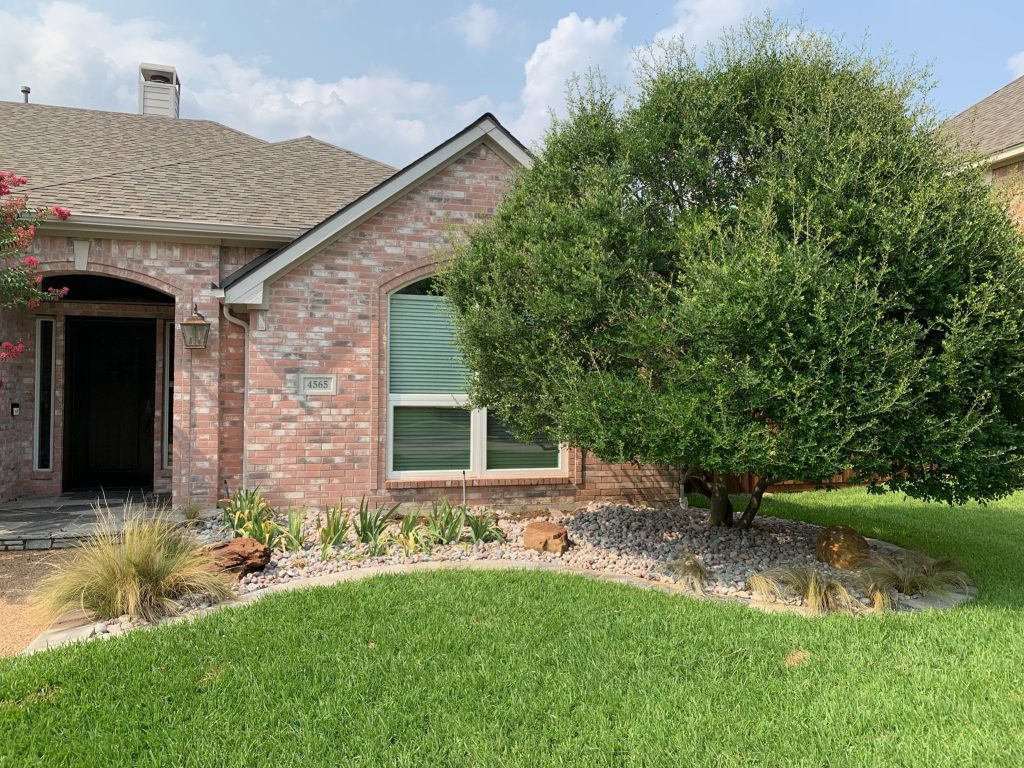
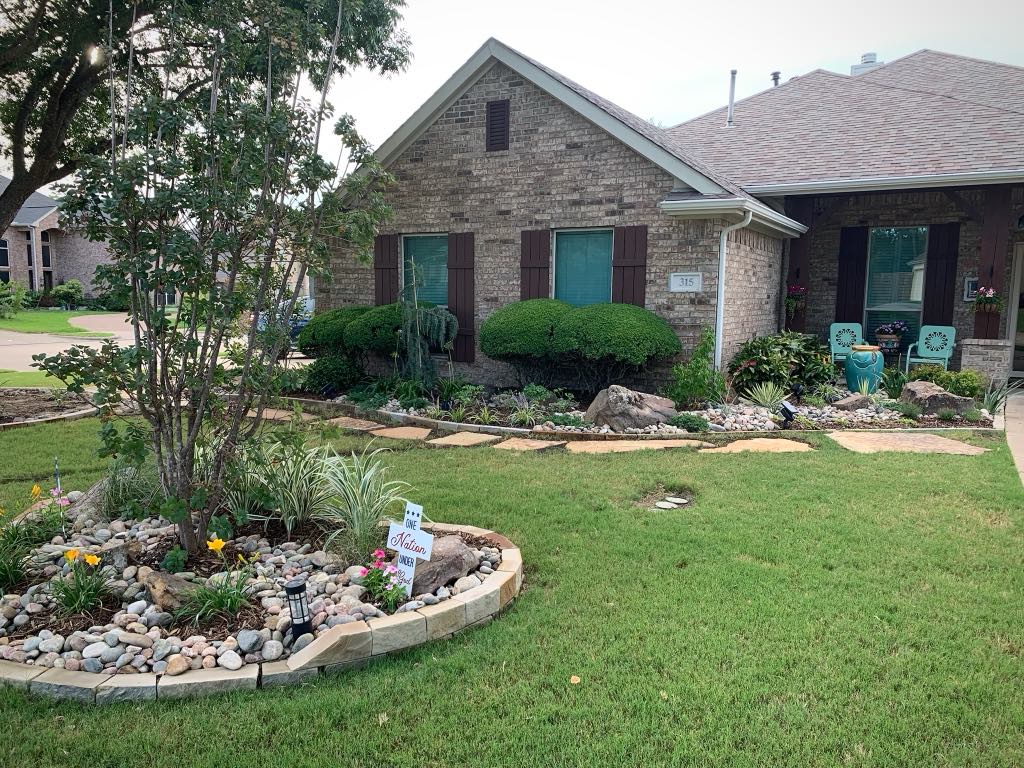
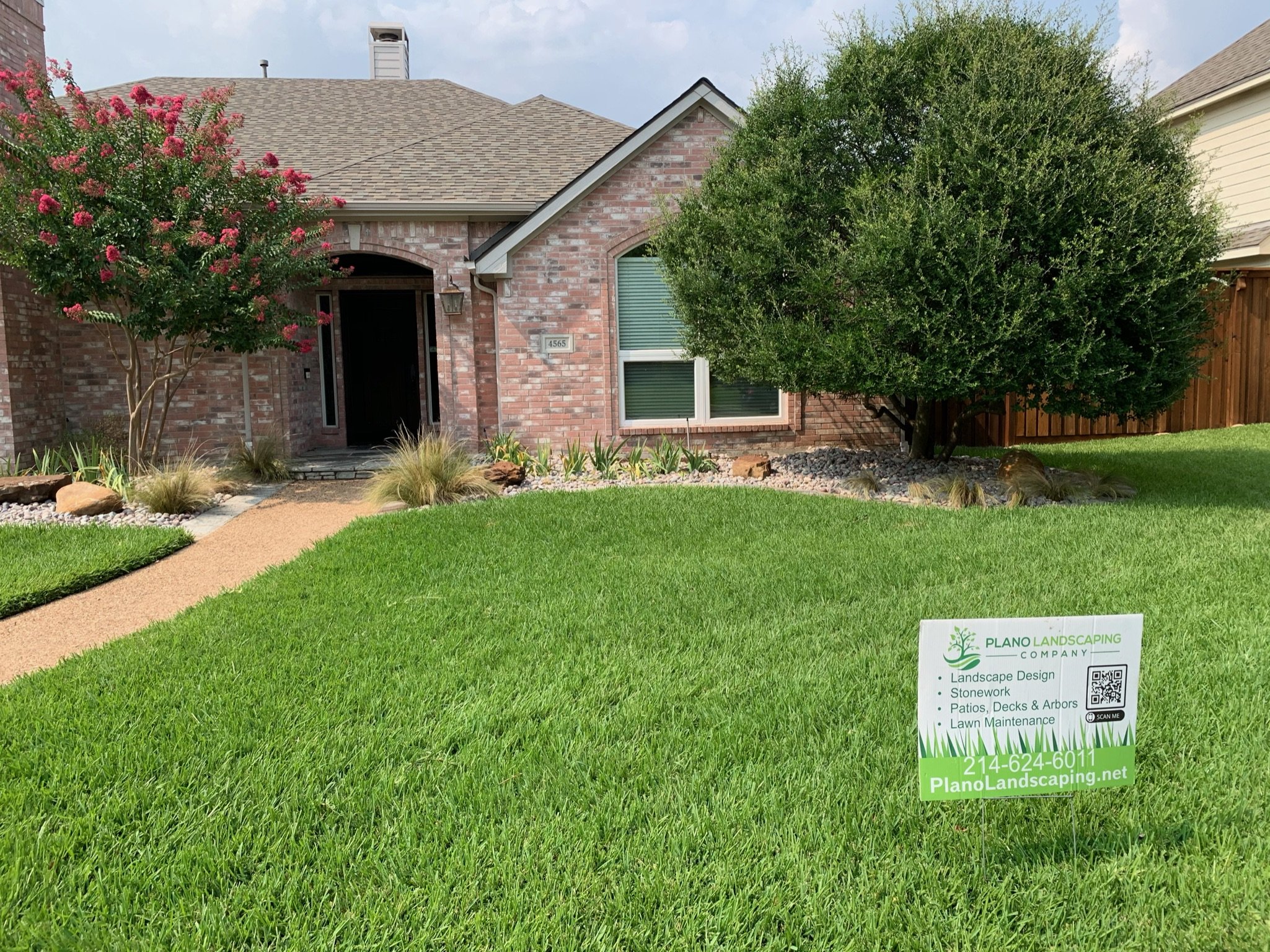
One Plano homeowner wanted a cleaner front yard and a more defined planting layout. The existing turf and mulch had been built up over time, and the bed edges were irregular. After removal of the old layers in the work zones, the crew could re-establish grade and spacing so the new landscaping looked intentional instead of patchy. The biggest difference was that the finish stayed consistent, without the “high and low” spots that can happen when old materials are left behind.
Frequently asked questions
Below are practical questions homeowners commonly ask when deciding on landscape removal in Plano, TX.
How do I know if I need full yard removal or only targeted landscape removal?
Look at how much of the yard is affected by your next upgrade. If you are changing the layout of beds, installing new turf, or building hardscape in a specific area, targeted removal is often enough. If the ground is uneven across multiple zones, or if irrigation and drainage are not working with the current setup, full removal may be the cleaner starting point. A quick walkthrough of wet spots, edging movement, and layered material usually clarifies the scope.
Will landscape removal help with drainage issues?
It can. Drainage problems are sometimes caused by the surface grade, but they can also be influenced by buried layers under older turf or mulch. Removal helps by eliminating interfering materials so the yard can be rebuilt more consistently. If you notice water pooling after rain or muddy areas that do not dry out normally, discussing removal along with drainage planning can prevent repeating the same problem after installation.
Can I keep existing plants and just remove what is in the way?
Sometimes yes. If certain plants are healthy and staying in place aligns with your new design, selective removal may work. However, if roots are pushing up edging or the bed boundaries are unclear, keeping too much existing material can lead to an uneven finish. The best approach is to match what you keep to the layout you want, so new landscaping installation does not end up fighting the old system.