
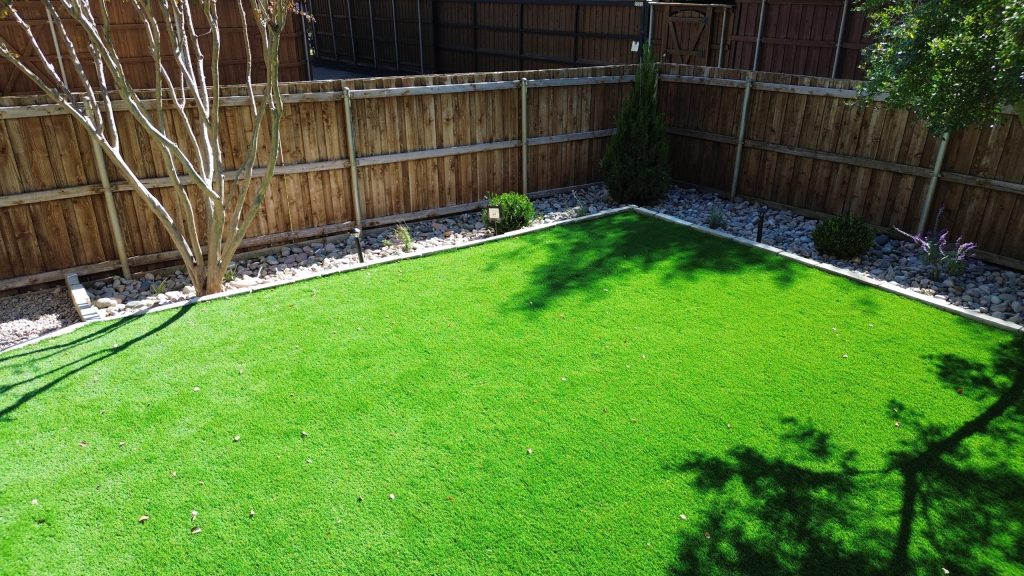
Signs You Need Sod Installation for Your Yard
If your yard in Plano, TX looks thin in spots or keeps losing seed to heat and wear, you may be past “try again” territory. This guide helps you spot the conditions where sod installation delivers the fastest, most reliable path to a uniform lawn.
You water, you wait, and still the grass looks uneven. Maybe you have a worn patch near the driveway, a bare strip that never fills in, or a lawn that turns spotty after heavy foot traffic. In Plano, TX, these problems tend to show up fast because lawns face intense seasonal swings and steady demand from daily use.
Sod installation can be the practical fix when your soil is ready but your living coverage is not. Below, you will learn the most common warning signs, what to check before committing, and how to plan a smoother install with the right groundwork and irrigation support.
- Quick answer
- What to check first
- Main things customers should understand
- Why this matters in Plano, TX
- Common mistakes to avoid
- Customer checklist
- Frequently asked questions
Quick Answer
If your yard has large bare areas, persistent thin spots, or erosion that keeps showing up after mowing or watering, sod installation is often the most direct solution. Sod helps you establish consistent coverage sooner than seed in areas that already struggle. Before you schedule, confirm the base is level, address drainage issues, and make sure your irrigation coverage matches the lawn area. If you are unsure, a walkthrough can identify whether you need full lawn installation, partial sod, or a combination with proper irrigation and grading.
What to Check First
Start with the “why” under the grass. A patch that will not fill in is usually a symptom of soil compaction, poor grading, drainage problems, or irrigation that is not distributing water evenly. Walk the area after watering or a light rain and look for puddling, dry edges, or runoff paths. Then check the existing lawn’s root health by gently lifting a small section. If the grass is sparse at the base or the soil is consistently compacted, sod will only look good if the groundwork is addressed.
Professional observation: The fastest way to avoid a disappointing sod install is to fix drainage and irrigation coverage first, not after the turf is down.
Main Things Customers Should Understand
Sod installation works best when you match the product to the site conditions and handle the prep like part of the turf system. In Plano, TX, that often means correcting the foundation so the new lawn can take hold and stay even as seasons change.
1) Bare patches that widen instead of heal
If existing seed or small repairs keep failing, sod can bring in immediate, uniform coverage while you address the underlying problem.
2) Thin, patchy areas from wear
High-traffic zones like along walkways, near play areas, or around entry points can wear faster than seed can recover.
3) Visible erosion or uneven grade
Sod can stabilize soil once the surface is corrected, especially where water flows in the same direction every time.
4) You need faster curb appeal
When you want consistent lawn coverage for a property appearance goal, sod reduces the “patchwork” phase compared to waiting on seed.
5) Old landscaping removal left spots behind
After yard removal, grading, or hardscape work, sod helps re-establish a finished look if the base is properly prepared.
6) Irrigation changes or upgrades are planned
If you are improving sprinkler system installation or irrigation coverage, it is often the right time to align turf installation with the new watering plan.
Representative scenario (common in Plano)
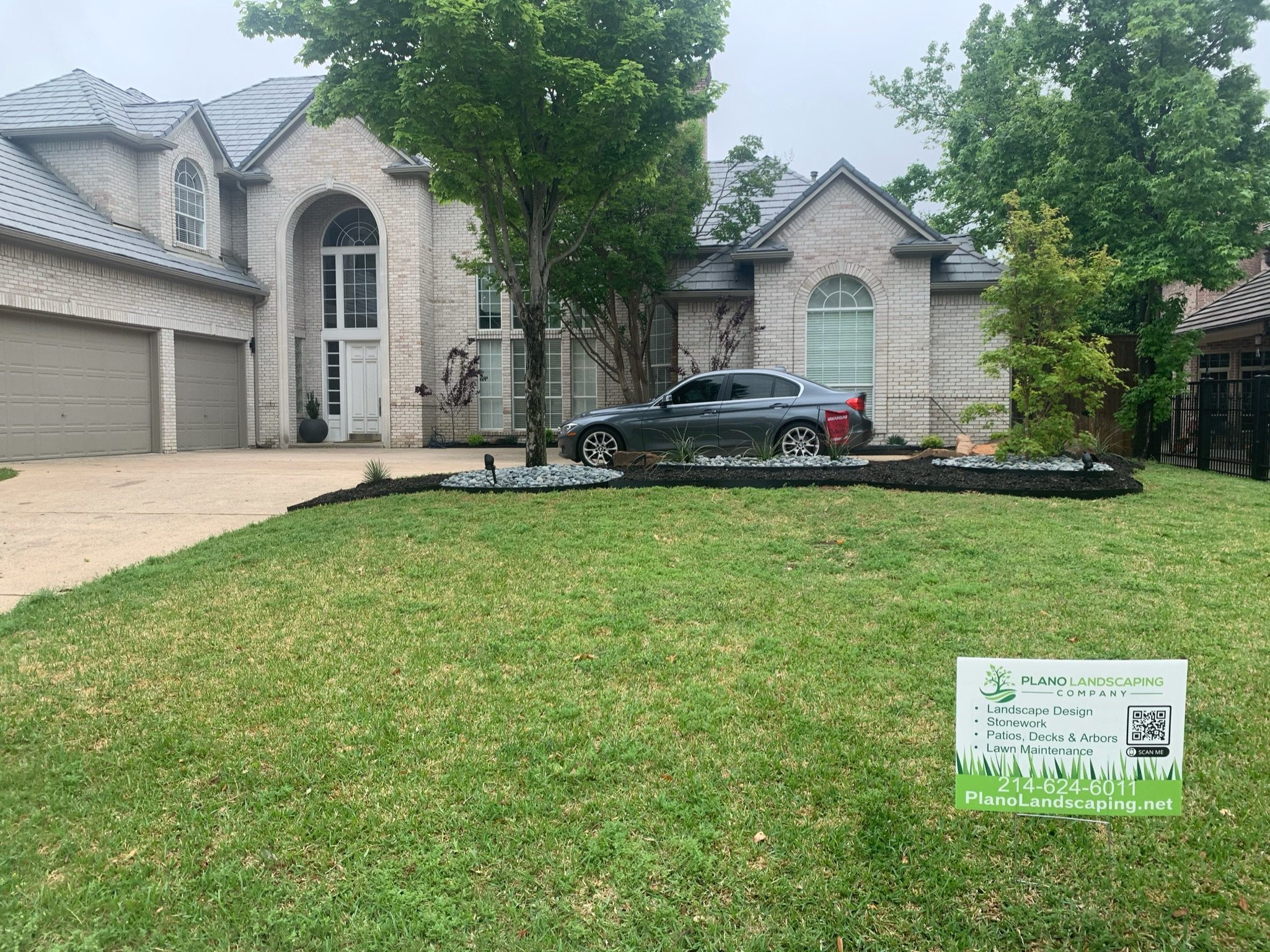
A homeowner in Plano, TX had several small bare strips along the side yard. Mowing made the problem look worse because the grass was thinning at the base. After checking the area, it turned out the surface grade directed runoff to those strips and the existing irrigation coverage left edges drier than the center. With proper prep and sod installation, the lawn looked uniform again because the water and surface conditions were corrected, not just the turf.
Why This Matters in Plano, TX
Plano lawns experience a mix of heat, seasonal stress, and everyday use that can turn minor issues into visible gaps. When sod is installed over an uneven base or irrigation coverage that misses parts of the yard, you may see dry edges, slow establishment, or thin zones that come back season after season. In Collin County, TX, we also see many properties where landscaping updates or hardscape work create a need for new lawn installation that matches existing edges cleanly.
Local insight: If your yard includes pathways, patios, or nearby hardscape borders, plan sod edges carefully so water does not run under turf seams. For related projects, you can also review sprinkler system installation and irrigation to keep watering consistent.
Common Mistakes to Avoid
Even a quality sod product can struggle if the job plan skips key steps. These are the issues we see most often when homeowners try to tackle turf repairs without a full site check.
- Installing over compacted soil without addressing the base, which limits root growth and makes establishment uneven.
- Ignoring drainage and leaving the yard sloped in a way that channels water into the same spots.
- Skipping irrigation coverage checks, so some areas get too little water and others get too much.
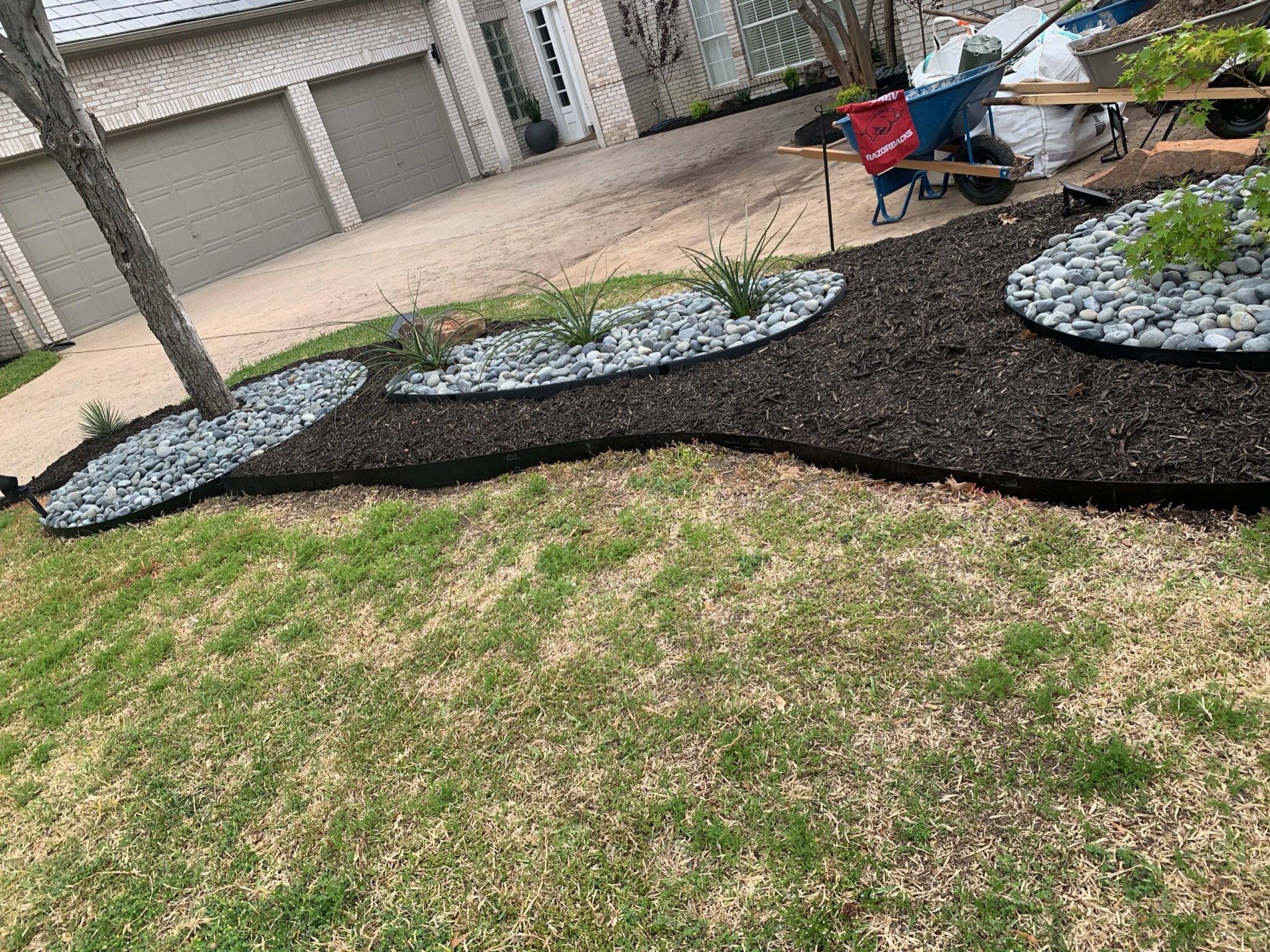
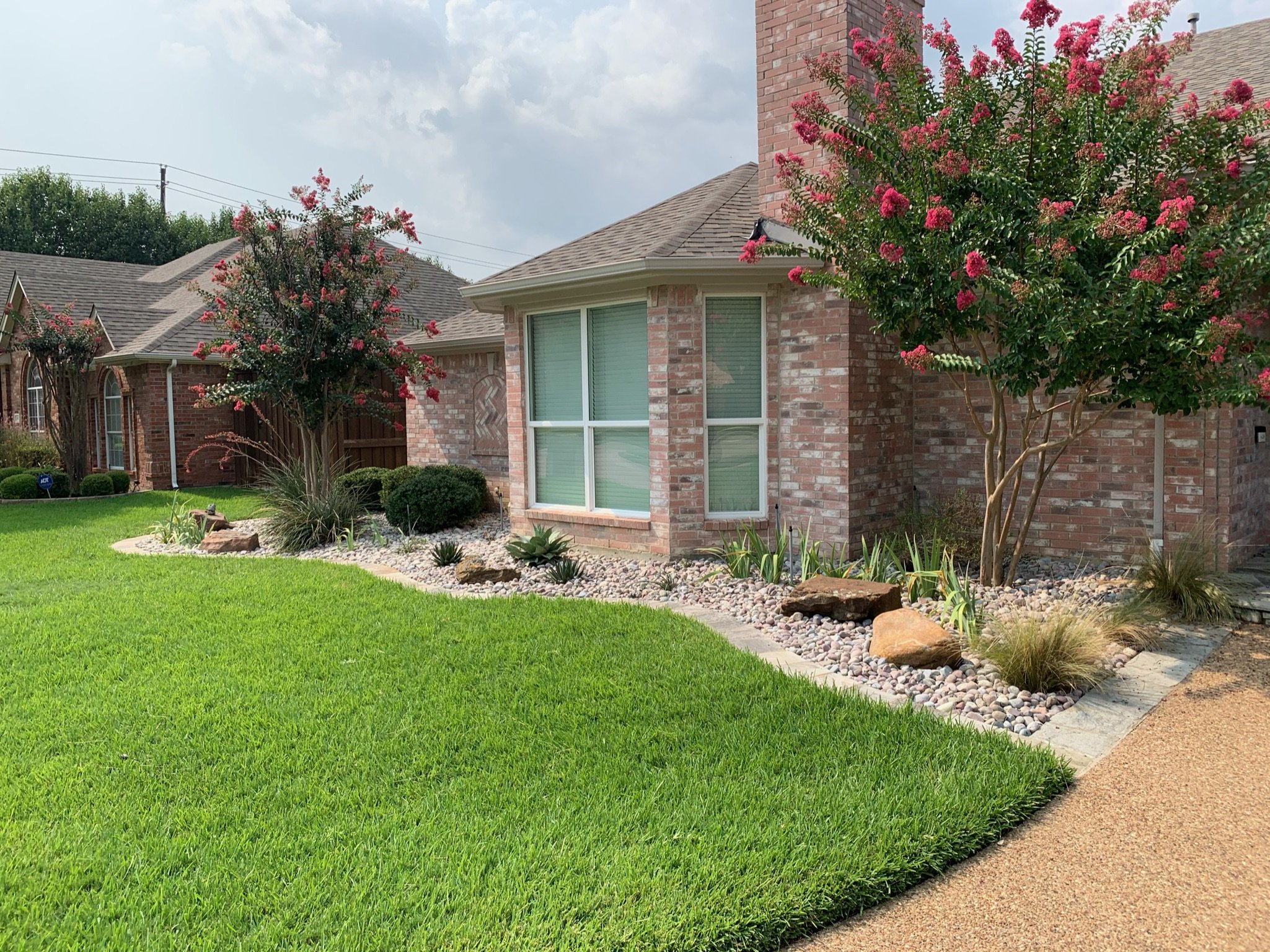
- Not planning edges near hardscapes, which can cause gaps, soil washout, or messy transitions.
- Waiting to coordinate after landscape removal, when the base and finish grade should be planned together for a clean result.
| Yard condition you notice | What it often means | Typical direction |
|---|---|---|
| Large bare areas or multiple thin zones | Living coverage is not keeping up with stress or wear | Sod installation for consistent coverage |
| Small patch that stays dry or fails after watering | Irrigation coverage or surface grade may be off | Fix irrigation distribution, then install sod |
| Water pooling after rain near the same spots | Drainage and grading need attention | Address drainage solutions, then turf |
| Edges look ragged after hardscape work | Transitions need a clean finish and proper base prep | Coordinated landscape installation and sod |
Want a clearer plan for your Plano lawn?
Share what you are seeing in your yard and we can help you determine whether sod installation is the right next step and what groundwork should be addressed first.
Call (214) 624-6011Customer Checklist
Use this checklist before you schedule sod installation so you know what to verify during prep and installation planning.
- Survey the yard after watering and note dry edges, pooling, or runoff paths.
- Check surface level so new sod sits evenly and does not leave low spots.
- Confirm irrigation coverage for the areas receiving turf (adjustments may be needed).
- Plan hardscape transitions where patios, walkways, or pathways meet the lawn.
- Ask about prep and base work so soil is ready for root establishment, not just turf placement.
- Coordinate with related landscape work if you are updating other features, like paving, fencing, or lighting.
Helpful related services (if your yard needs more than turf)
If your lawn issues tie into drainage, irrigation, or landscaping updates, these services can support the same goal of a clean, consistent outdoor space: sod installation services, landscape installation, and landscape removal.
Frequently Asked Questions
Here are common questions homeowners in Plano, TX ask when deciding whether sod installation is the right solution.
How do I know whether sod is better than seeding?
Sod is often a better fit when you need consistent coverage in a shorter timeframe or when bare areas keep expanding despite watering and reseeding. If you see uneven growth, persistent thin zones, or erosion that does not improve, sod can help establish a uniform lawn while you correct the site conditions. A quick on-site assessment can also confirm whether the base prep and irrigation coverage match the turf goals.
What should I check about my irrigation before installing sod?
Check whether water reaches the edges of the lawn area and whether any spots stay consistently dry or overly wet. Even distribution matters for establishment, and the wrong coverage can create dry seams or soft zones. If you are also planning sprinkler system installation or irrigation upgrades, coordinating the watering plan before sod is down helps the turf start strong.
Will drainage problems ruin sod?
Drainage issues can slow establishment and create uneven growth, especially where water pools or repeatedly runs the same direction. Sod can help stabilize soil once the surface is prepared correctly, but it is best to address the grade and water flow ahead of time. If you notice pooling after rain or runoff channels during watering, those are signs to address drainage solutions as part of the installation plan.
Can sod be installed after landscaping removal or hardscape work?
Yes. Many homeowners install sod after yard removal services or after new outdoor living spaces are added. The key is that the base and finish grade should be planned so the sod edges look clean and the transition areas do not wash out. If your project includes pathways, patios, or other features, coordinating the lawn edges with the surrounding work helps the yard look finished.
What are the most common reasons sod looks patchy afterward?
Patchiness usually comes from prep and coverage problems, such as compacted soil, uneven grade, or irrigation that does not reach all sections equally. Another common factor is leaving drainage issues unresolved, which can create low or wet spots. When those factors are corrected before installation, sod has a better chance to establish evenly across the whole yard.
Ready to restore a uniform lawn in Plano?
For sod installation guidance and planning, contact Plano Landscaping Company. We can help you connect the dots between turf, base prep, and irrigation so your new lawn has a solid start.
Explore Sod Installation
About Plano Landscaping Company
Plano Landscaping Company provides landscaping services for homeowners and property managers in Plano, TX and throughout Collin County, TX. From sod installation to related landscape installation and irrigation-focused work, our approach focuses on practical site preparation and clean transitions for outdoor living spaces.