
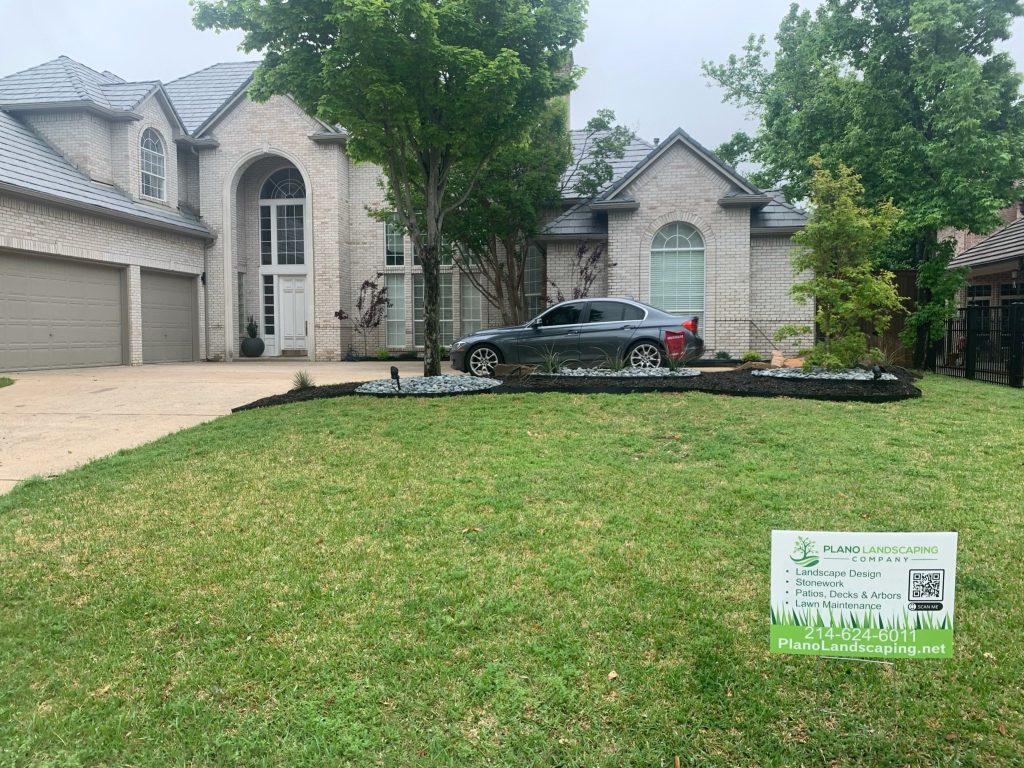
Local lawn care maintenance to keep grass thriving year-round
If your Plano lawn looks fine in the morning but turns patchy, thin, or uneven by evening, it is usually not “just bad luck.” Inconsistent irrigation, seasonal stress, and missed maintenance steps can add up fast.
You water, you mow, you try to keep up, and still the grass in your Plano yard starts to show stress. Maybe you notice browning edges, weeds popping up in the same spots, or thin turf that looks different from one side of the yard to the other.
The tricky part is that lawn problems often come from several small causes working together. This guide helps you understand what to check first, how to build a practical maintenance rhythm, and when it makes sense to bring in help for irrigation and lawn care maintenance in Plano, TX.
You will also find common mistakes to avoid and a checklist you can use before the next mowing or watering day.
- Quick answer
- What to check first
- Main things customers should understand
- Why this matters in Plano, TX
- Common mistakes to avoid
- Customer checklist
- Frequently asked questions

Quick Answer
For a thriving Plano lawn, start by confirming irrigation coverage and mowing height before you change anything else. Make sure sprinklers reach the same areas consistently, avoid watering at the wrong times, and mow at a height that keeps roots protected instead of scalped. Then build a simple seasonal maintenance routine: light, consistent mowing; weed control that matches what you are seeing; and lawn care maintenance that supports healthy growth. If patchy areas persist, schedule a professional inspection so you can address irrigation installation, drainage, or turf replacement needs early.
What to Check First
When your lawn starts to thin, the fastest way to stop the decline is to check the “inputs” first. In Plano, TX, inconsistent watering is a common cause because lawns often receive uneven moisture across yards, along slopes, or near hardscape edges. Start with sprinkler coverage, then look at mowing habits and soil surface conditions.
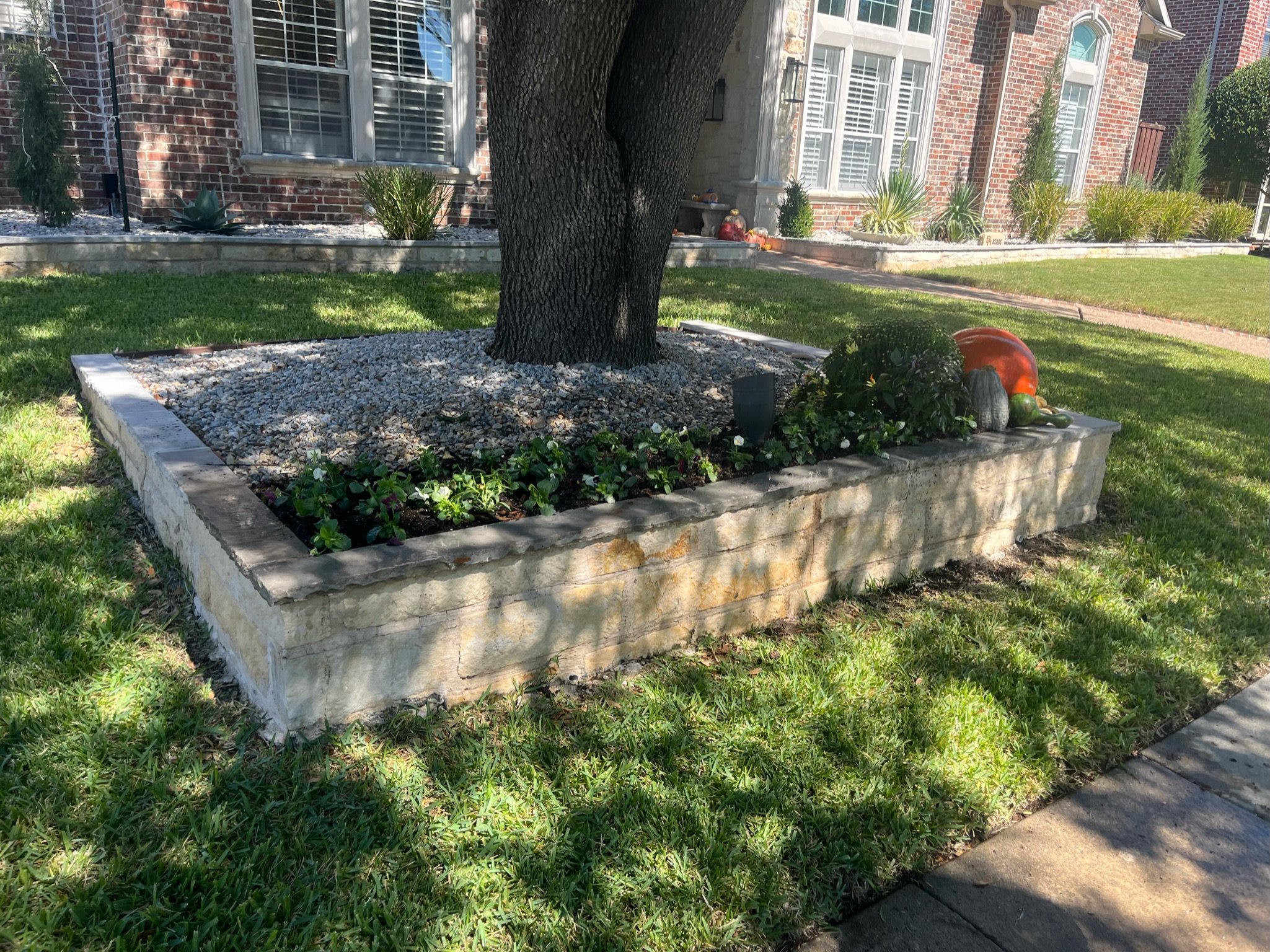
Inspect irrigation overlap
Walk your yard during a watering cycle and watch for dry pockets, overspray onto sidewalks, and sprinkler heads that spray at the wrong angle.
Check mowing height
If the blades are cut too short, grass loses the shading that helps it handle heat and stress. Keep mowing consistent rather than letting the lawn get too tall.
Look for drainage clues
Areas that stay wet or dry too quickly can show drainage issues. Those patterns often repeat after rain and can guide where maintenance should focus.
If you already know your irrigation system needs attention, you may want to review whether you are missing coverage or struggling with outdated sprinkler layouts. Plano Landscaping Company can help with irrigation installation and sprinkler system installation when your sprinkler coverage is the root problem. For more on that, see sprinkler installation and irrigation.
Main Things Customers Should Understand
Lawn care maintenance is not a single “one-time fix.” In Plano, TX, year-round success comes from aligning what your lawn needs with what the season is doing and how your yard receives water. Once you understand these factors, decisions become easier and fewer steps feel like guesswork.
Professional observation: Patchy turf usually reflects a pattern. When the pattern matches sprinkler coverage lines, mower routes, or drainage flow paths, the lawn is responding to conditions you can correct.
| What you notice | Likely cause | What to do next |
|---|---|---|
| Dry, thin areas in the same spots | Uneven sprinkler coverage or blocked heads | Verify irrigation coverage during run time, then adjust or upgrade coverage as needed |
| Weeds showing up repeatedly | Open turf from stress or inconsistent maintenance | Match maintenance to what is growing and strengthen turf through consistent mowing and lawn care maintenance |
| Water pools after rain | Drainage issues that keep roots too wet | Evaluate drainage solutions and yard drainage solutions based on where pooling occurs |
| Edges look worse than the middle | Runoff from landscaping beds or water overspray | Check borders and hardscape edges, then tune irrigation so water lands where grass can use it |
If your lawn is beyond patching and you are considering new lawn installation, it can help to plan for what comes before sod. That includes removing old landscaping where needed and preparing the surface so new turf can root properly. If you are dealing with old landscaping removal, review landscape removal before you schedule sod installation.
Why This Matters in Plano, TX
Plano lawns face a mix of heat, intense sun, and rapid seasonal changes. That means grass can look resilient one week and stressed the next if watering timing, mowing height, or drainage conditions are off. In many Plano yards, sprinkler coverage and lawn edges are the first places you see trouble because water and runoff behave differently near sidewalks, patios, and property lines.
One firsthand-style pattern we see during lawn maintenance calls is how “almost right” irrigation can cause inconsistent growth. A system may be functioning, but if certain zones do not overlap enough or if heads shift over time, the lawn compensates by growing unevenly. That is why lawn care maintenance often pairs well with irrigation installation improvements, so the lawn gets the same quality of moisture across the yard.
Local tip: If you have pavers, a backyard patio, or established landscaping beds, water behavior changes near those edges. Tuning irrigation to protect grass (and avoid overspray) can prevent repeating trouble spots.
| What you need | Where it fits | Common pairing |
|---|---|---|
| Lawn care maintenance | Ongoing support for healthy, dense turf | Irrigation installation support for consistent watering |
| Sod installation | When you need quick turf coverage | Landscape removal and surface prep to reduce stress |
| Landscape installation | When you are reworking your yard layout | Drainage solutions to support grass and hardscape areas |
Keep your lawn looking consistent in Plano
If you are seeing recurring dry spots, uneven growth, or stress around hardscape edges, Plano Landscaping Company can help you plan the next maintenance step. Start with a call and we will point you in the right direction.
Call Plano Landscaping CompanyCommon Mistakes to Avoid
Most lawn problems get worse when the maintenance response is delayed or misdirected. These are a few common mistakes we see around Plano, TX that can turn a small issue into a bigger repair.
- Changing multiple things at once, so you cannot tell what actually helped.
- Mowing too low, which removes the leaf area that helps grass handle heat and drought stress.
- Assuming the sprinkler system is fine, even when only parts of the yard look dry.
- Watering on a schedule without observing coverage, which can leave dry pockets and waste water in areas that do not need it.
- Ignoring drainage clues like repeated pooling or consistently soggy patches.
Customer Checklist
Use this checklist before your next mowing or watering day. It helps you catch the most common causes of thinning and patchiness while you still have time to correct them.
- Walk the yard and note where grass is thinning or browning first.
- Run your sprinklers and watch for dry pockets, overspray, or misdirected heads.
- Confirm mowing height and keep mowing consistent rather than cutting too short.
- Check edges near patios and hardscape for runoff or overspray patterns.
- After rain, observe where water pools or drains quickly and mark those areas.
- If you are planning an upgrade, review related services like sod installation or lawn care maintenance before starting.
If you are evaluating a lawn refresh, it can help to understand how sod fits into the bigger picture. For a focused look at turf replacement, sod installation services can guide your next step after you address removal and surface prep.
Representative Scenario
A homeowner in Plano, TX noticed that only the lower corner of their yard stayed brown, while the rest of the lawn looked mostly okay. The pattern matched the sprinkler zone coverage, and the edge near a backyard patio kept getting either too much runoff or not enough moisture. After reviewing the system and the yard layout, the maintenance plan focused on correcting irrigation coverage and supporting healthier lawn growth in that specific area, rather than repeatedly treating symptoms across the whole yard.
Frequently asked questions
If you have questions about lawn care maintenance, irrigation, and how to keep grass thriving year-round in Plano, TX, these answers cover some of the most common homeowner concerns.
How often should I mow to keep my lawn healthy?
Why do I have dry spots even though my sprinklers run?
Should I focus on lawn maintenance or drainage first?
When is sod installation the right move?
Can landscaping upgrades help my lawn look better?
Ready for a maintenance plan that fits your Plano yard?
If you want help diagnosing the cause of thinning turf, recurring dry spots, or irrigation coverage problems, Plano Landscaping Company is ready to assist. Call today to talk through your yard and next steps.
Schedule a Call
About Plano Landscaping Company
Plano Landscaping Company provides landscaping services for homeowners in Plano, TX and the surrounding Collin County area, with practical support for lawn care maintenance and related outdoor improvements such as irrigation installation, landscape removal, and turf installation planning.