
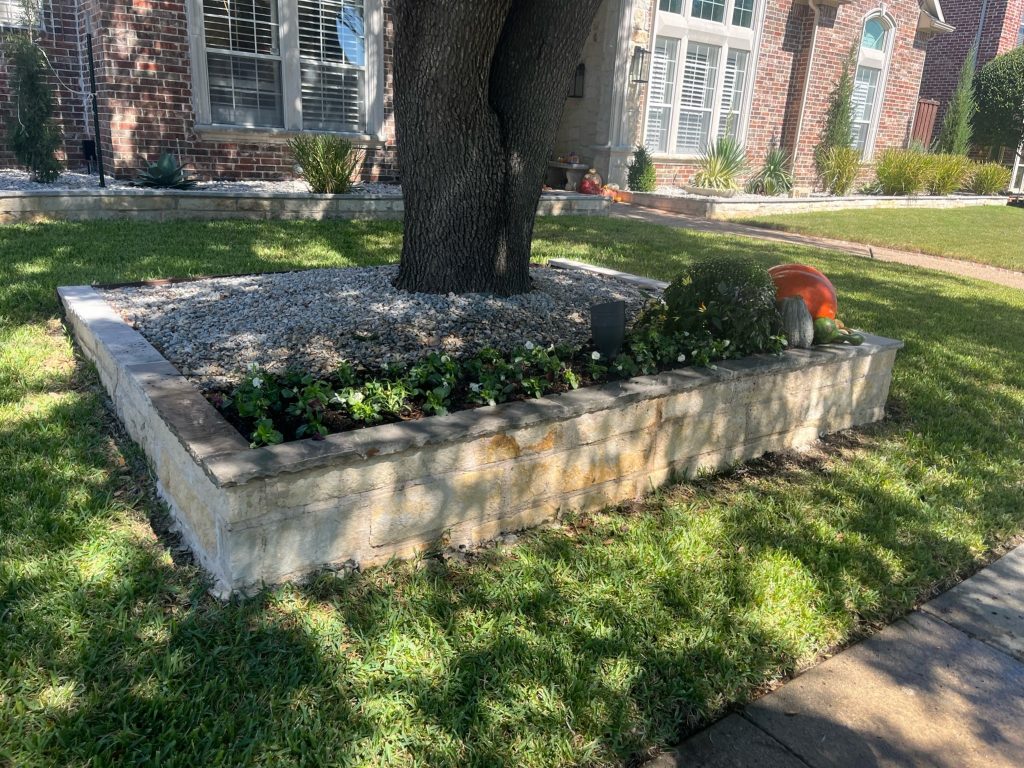
Lawn care maintenance for brown patches and thinning grass
If your Plano, TX lawn is looking spotty, dry, or increasingly thin, the fix usually comes down to getting the root cause right. This guide helps you narrow down what is driving brown patches, what to check first, and what a practical maintenance plan should include for lawns in Collin County.
One week the lawn looks “mostly fine,” and the next you notice a few brown circles that spread into bigger thinning areas. In Plano, that pattern often shows up after hot stretches, inconsistent watering, or sections that drain differently than the rest of the yard.
Instead of trying random treatments, you can protect your time and your turf by figuring out what your lawn is telling you. Below, you will learn the quick signals to look for, the most common causes of patchy grass, and a maintenance approach that fits real local conditions.
- Quick answer
- What to check first
- Main things customers should understand
- Why this matters in Plano, TX
- Common mistakes to avoid
- Customer checklist
- Frequently asked questions
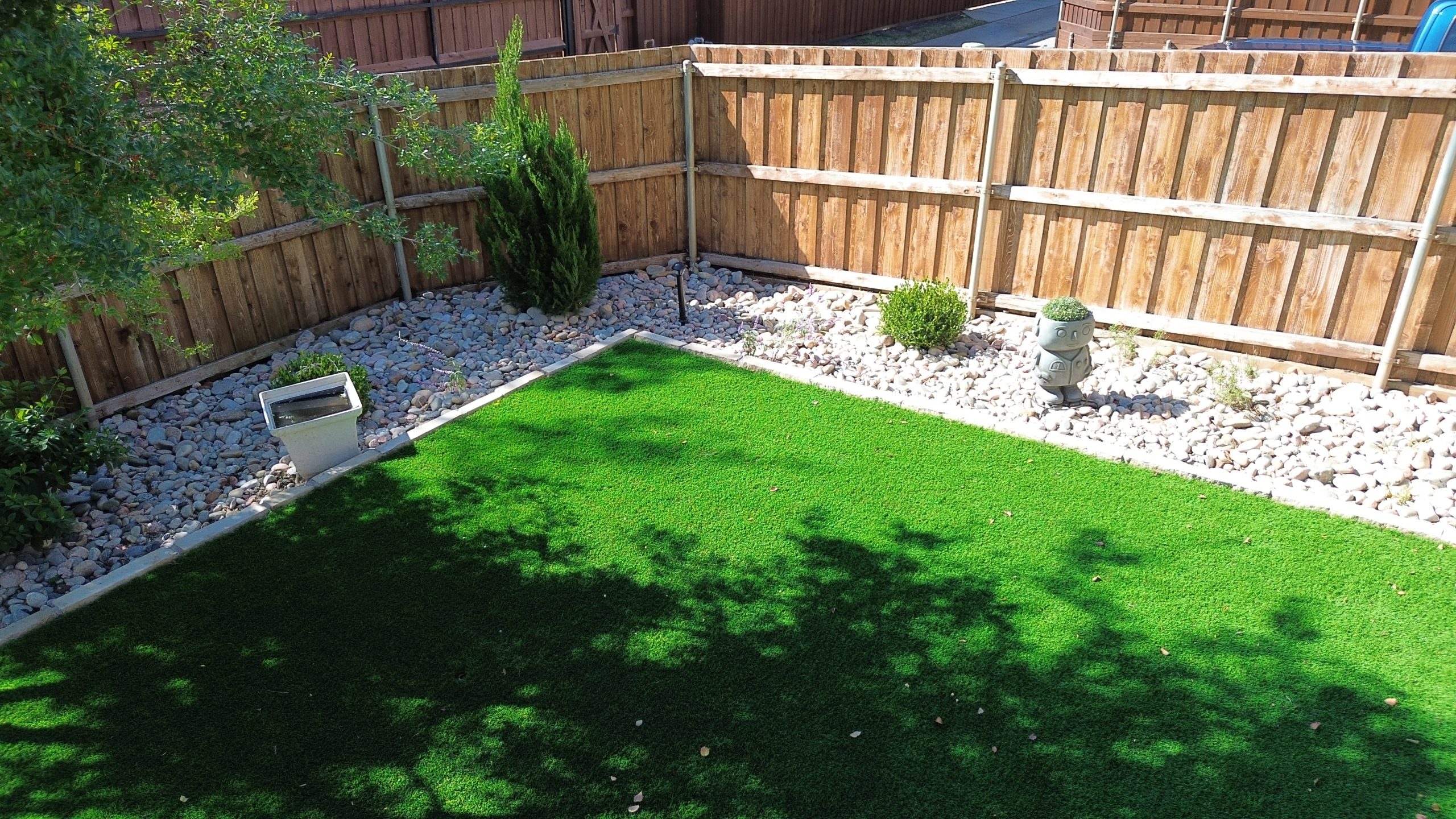
Quick Answer
If you are seeing brown patches and thinning grass in Plano, TX, start by checking watering coverage and drainage. Uneven irrigation, dry hot spots, or areas that stay too wet can all produce patchy growth that looks like “soil problems.” Make sure sprinkler heads are functioning and that water reaches the affected area consistently. Then inspect for traffic damage, mower scalping, and shading from nearby growth. If the patch is bare or compacted, targeted lawn care maintenance or sod installation may be needed instead of only adding seed.
What to Check First
Your first goal is to separate “needs more water” from “water is the problem” and from “the ground is not supporting roots.” Walk the lawn at least twice, once early in the day and once after watering or rain, and look for patterns you can repeat.

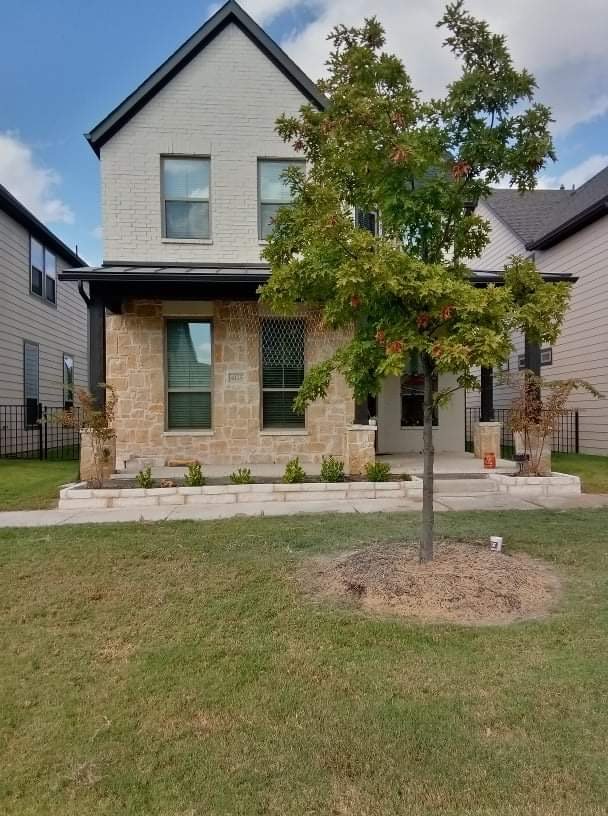
- Match the pattern: Are brown areas clustered in one zone, near a downspout, or along a walkway where foot traffic is common?
- Check irrigation coverage: Do sprinkler heads spray the affected area, or is it partially dry while other zones look fine?
- Watch the ground: Does the patch stay soggy longer than the rest of the yard after watering?
- Look for mechanical damage: Any signs of scalping from low mowing, mower wheels, or pets repeatedly using the same spot?
- Inspect for thinning causes: If the grass is thinning overall, not just in one patch, your maintenance routine may need adjustment.
Spotty brown patches
Often point to uneven watering, drainage differences, or localized damage like traffic or pets.
Wider thinning
Usually suggests a routine issue: mowing height, soil compaction, or consistent stress across the lawn.
Edges and slopes
Commonly affected by runoff patterns, irrigation overspray, or areas that drain differently.
Main Things Customers Should Understand
Brown patches and thinning grass are rarely caused by one single factor. In Plano, TX, lawns experience fast seasonal swings, hot stretches, and frequent changes in how water moves across the property. When you address only one symptom, the lawn may look better for a short time and then slip again.
Professional observation: Patch problems usually improve faster when you fix the water and traffic patterns first, then rebuild the lawn where it actually failed.
1) Watering consistency and irrigation coverage
If one section stays dry while neighboring areas look healthy, the grass roots there cannot recover. Sometimes the issue is a broken or misdirected sprinkler head. Other times it is pressure or coverage gaps that leave the affected zone under-watered.
If you suspect irrigation problems, review your system and coverage, then consider an irrigation evaluation or updates. For homeowners planning irrigation improvements, see sprinkler system installation and irrigation.
2) Drainage and yard water movement
Brown patches can form where water collects or where runoff carries it away. If the affected areas are near slopes, downspouts, or where the yard transitions around hardscapes, drainage solutions may be part of the fix.
If your lawn is reacting to water flow, exploring lawn care maintenance that aligns with your yard’s drainage behavior is often the most practical starting point.
3) Soil support, compaction, and root space
Thinning grass can struggle when soil compacts or when the lawn layer does not hold enough air and moisture for roots to thrive. You may notice the turf looks weak, recovers slowly, or fails to fill in even when watering improves.
4) Lawn edges, mowing height, and recurring stress
Along sidewalks, driveways, and landscaped borders, grass tends to take more stress from traffic, mower passes, and heat reflection. Keeping mowing height consistent and trimming back competing growth can help reduce stress on thinning areas.
Why This Matters in Plano, TX
In Plano, TX, homeowners often see lawn issues tied to the way the yard handles heat and irrigation. During hot stretches, even a small coverage gap can turn into a visible brown patch. After rainfall, uneven drainage can keep certain spots wetter for longer, which can also interfere with healthy regrowth. When you address these factors early, you reduce the chance that a small problem becomes a larger repair.
Local landscaping service work also tends to reveal another pattern: lawns near landscape removal areas or newly installed beds can temporarily thin while the surrounding ground settles or while watering schedules are adjusted. If you are planning updates to your yard, coordinating the lawn care maintenance plan with the rest of your landscaping work can help avoid repeated patch cycles.
Representative scenario (anonymized)
A Plano homeowner noticed brown patches along one side of the yard that did not match the rest of the lawn. After checking the irrigation pattern, they found that the affected area was getting less water than adjacent zones. They also observed that mowing passes were consistently lower at the edge because the grass was growing close to a hardscape border. After correcting the watering coverage and adjusting edge mowing practices, the patch stopped expanding. The lawn still needed rebuilding where the grass had thinned, so targeted maintenance and overseeding planning helped it fill back in over time.
| What you notice | Most likely cause to investigate | Practical next step |
|---|---|---|
| Brown circles in one zone | Irrigation coverage gaps or localized water changes | Verify sprinkler direction and coverage for that exact zone |
| Patch near downspouts or low spots | Drainage imbalance causing prolonged wetness | Review water movement and consider drainage-focused fixes |
| Thin grass along edges and walkways | Heat reflection, traffic, and mowing stress | Raise mowing consistency and adjust edge maintenance |
| Overall thinning across the lawn | Maintenance routine not supporting steady root growth | Use a lawn care maintenance plan built around consistency |
Need a plan for lawn care maintenance in Plano?
If you want help identifying what is driving brown patches and thinning grass, Plano Landscaping Company can help you map a practical maintenance approach for your yard.
Explore lawn care maintenanceCommon Mistakes to Avoid
Many brown patch problems persist because the fix targets the wrong piece of the puzzle. Avoid these common missteps so your lawn does not repeat the same cycle every season.
- Treating symptoms without checking watering: If the area is under-watered or over-watered, fertilizer or seed alone often will not hold.
- Overwatering to “chase green”: Too much water can worsen thin areas, especially where drainage is uneven.
- Mowing too low at the edges: Edge stress is a common reason thin grass never fully fills in.
- Ignoring soil compaction: When the ground is tight, roots struggle to recover even with improved watering.
- Waiting too long to rebuild bare spots: The longer the lawn stays thin, the harder it becomes to restore uniform coverage.
Customer Checklist
Use this checklist as a simple workflow before you commit to any lawn repair steps. It is designed to help you make decisions based on what you actually see in your Plano, TX yard.
- Mark the patch boundaries: Note where the brown area begins and ends, and whether it matches a watering zone.
- Confirm irrigation coverage: Watch the affected area during watering and verify sprinkler direction and spray reach.
- Check drainage behavior: After watering or rain, observe whether the patch stays wet longer than surrounding turf.
- Review mowing height and timing: Ensure consistent height and avoid scalping at edges.
- Remove competing stress: Keep trimming around lawn borders so grass is not fighting shading or overgrowth.
- Plan the rebuild method: Decide whether routine maintenance will be enough or whether lawn installation steps are needed.
When a rebuild is the practical step
If the affected areas are bare or the grass layer has thinned beyond what routine maintenance can fix quickly, rebuilding may be more efficient than repeating spot treatments. For homeowners considering new lawn coverage, you can review options like sod installation.
Frequently asked questions
Here are common questions homeowners in Plano ask when brown patches and thinning grass show up. If your situation matches one of these, it can help you choose a more targeted next step.
Why do my brown patches keep coming back in the same spot?
Recurring brown patches usually point to a repeat cause, such as irrigation coverage gaps, consistent traffic stress, or drainage behavior that stays the same season after season. Even if you add seed or fertilizer, the underlying condition can prevent the roots from establishing. Start by matching the patch location with watering patterns and observing how the ground behaves after watering or rain.
Is brown grass always a watering problem?
Not always. Uneven watering is a frequent cause, but thinning grass can also come from mowing stress, soil compaction, or shading from nearby vegetation. If the lawn is thinning broadly rather than in one zone, your overall maintenance routine may need adjustment. The fastest path is to look for patterns and narrow down whether the issue is localized or spread across the entire yard.
Should I just seed the thin areas?
Seeding can work when the area still has enough healthy conditions for new growth, but it may not hold if the root environment is not right. If watering coverage is inconsistent or drainage keeps the spot too wet, seed may not establish. When patches are bare or persistent, rebuilding strategies such as sod installation can be a practical option depending on how the lawn looks and behaves.
How do I know if drainage is affecting my lawn?
Drainage issues often show up as areas that stay wetter longer than the rest of the lawn after irrigation or rainfall, or as spots where water runs away quickly. If the brown patches align with low areas, downspouts, slopes, or transitions near hardscapes, drainage may be part of the problem. Observing the yard right after watering is one of the simplest ways to identify drainage-related patterns.
Can lawn care maintenance also help with lawn thinning across the yard?
Yes. When thinning is widespread, a consistent maintenance plan helps support steady root growth. That can include aligning irrigation schedules, maintaining mowing height, and coordinating yard upkeep so the lawn is not constantly stressed. If you also have landscaping updates planned, coordinating with landscaping services can reduce setbacks and help the lawn recover more smoothly.
Get help planning your next lawn care steps
If you are ready to address brown patches and thinning grass in Plano, TX, Plano Landscaping Company can help you choose a practical approach based on what is happening in your yard.
Call Plano Landscaping Company
About Plano Landscaping Company
Plano Landscaping Company provides landscaping services for homeowners and property managers in Plano, TX and throughout Collin County, focusing on practical lawn care maintenance and related outdoor improvements like irrigation installation, sod installation, and landscape installation. Our goal is to help you maintain a healthier, more consistent yard by addressing the real causes behind patchy grass and thinning turf.