
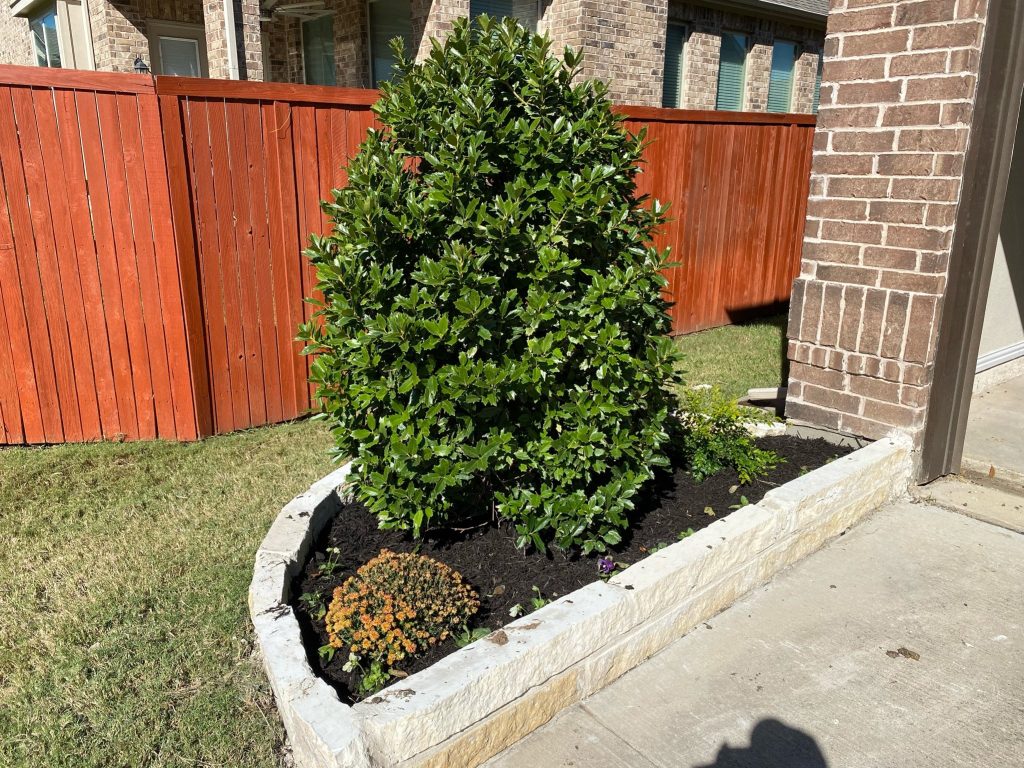
Landscape Trimming Signs Your Shrubs Need Maintenance
If your front yard looks “almost” sharp but your shrubs seem overgrown, thin out, or block walkways, trimming might be the missing step. This guide helps homeowners in Plano, TX spot the right signs for landscape maintenance, understand what’s normal seasonal growth, and decide when it’s time to call for shrub trimming and hedge trimming.
If you’ve walked up to your home in Plano and noticed the shrubs are pushing into the walkway edges or leaning toward the windows, you are not alone. Many yards start out tidy, then the next flush of growth makes hedges look ragged, uneven, or “bare” in the middle.
Instead of guessing, you can use a few clear trimming signals to decide when shrub trimming will improve shape, curb appeal, and plant health. Below, you’ll find a quick way to assess what you’re seeing, plus a practical checklist you can use before scheduling landscape maintenance.
- Quick answer
- What to check first
- Main things customers should understand
- Why this matters in Plano, TX
- Common mistakes to avoid
- Customer checklist
- Frequently asked questions
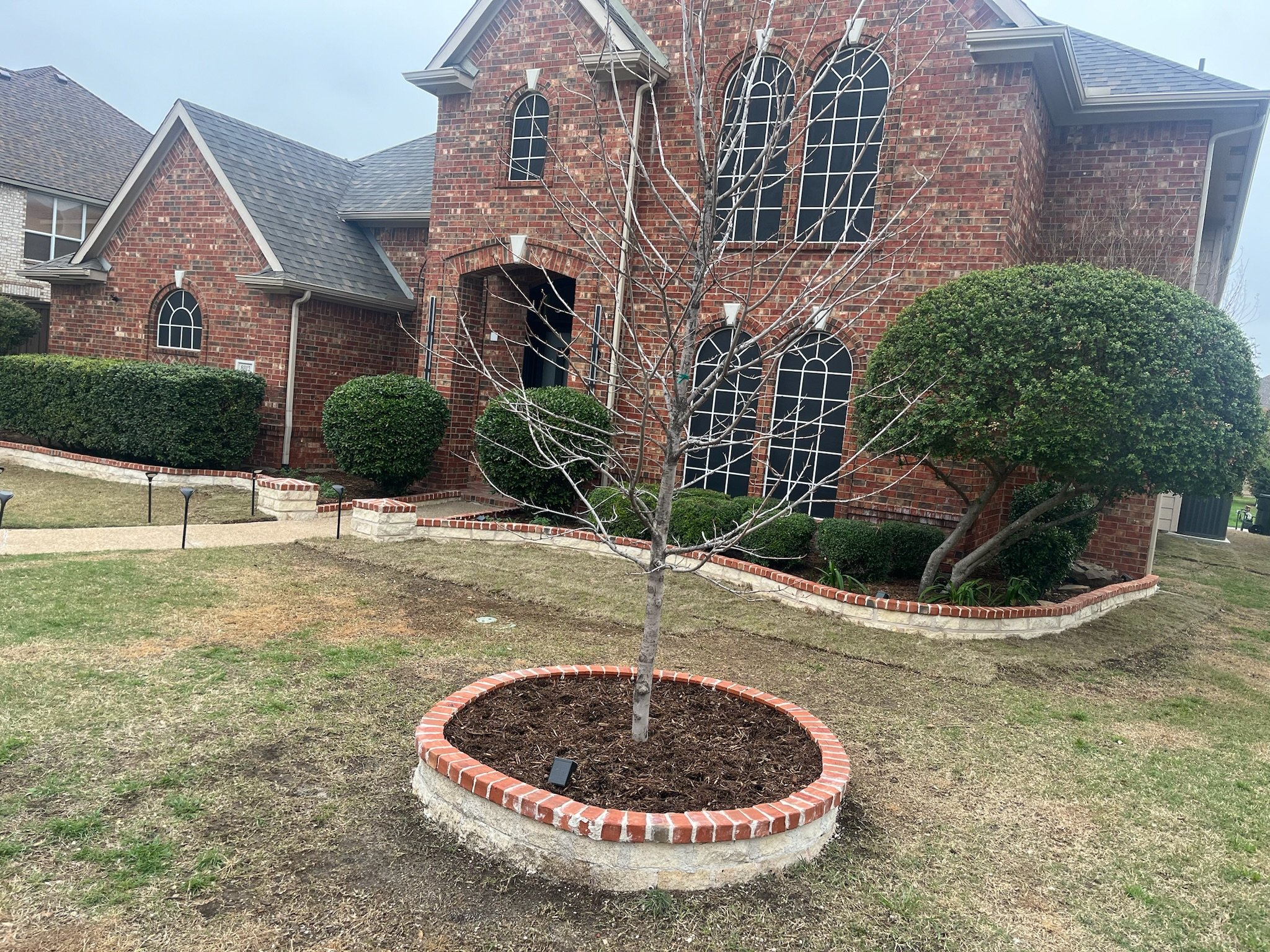
Quick Answer
If your shrubs look lopsided, have gaps in the interior, are growing into paths or edging, or you see dead or crossing branches, it’s usually time for landscape trimming. In Plano, TX, growth cycles can make hedges look “fine” for a while, then suddenly overgrown. Start by checking clearance around walkways, doors, and windows, then look at the plant’s structure (especially inside the hedge). If you are unsure how much to remove, schedule a maintenance visit so trimming supports a fuller, healthier shape instead of thinning it out.
What to Check First
Begin with the simplest, most visible signs. Walk your property and note where shrubs are interfering with daily use, such as overhanging onto sidewalks, crowding garden beds, or blocking sightlines near entrances. Then inspect the shrub from multiple angles, including from the side and from inside the plant line, since interior growth tells you whether trimming will improve structure or expose the plant.
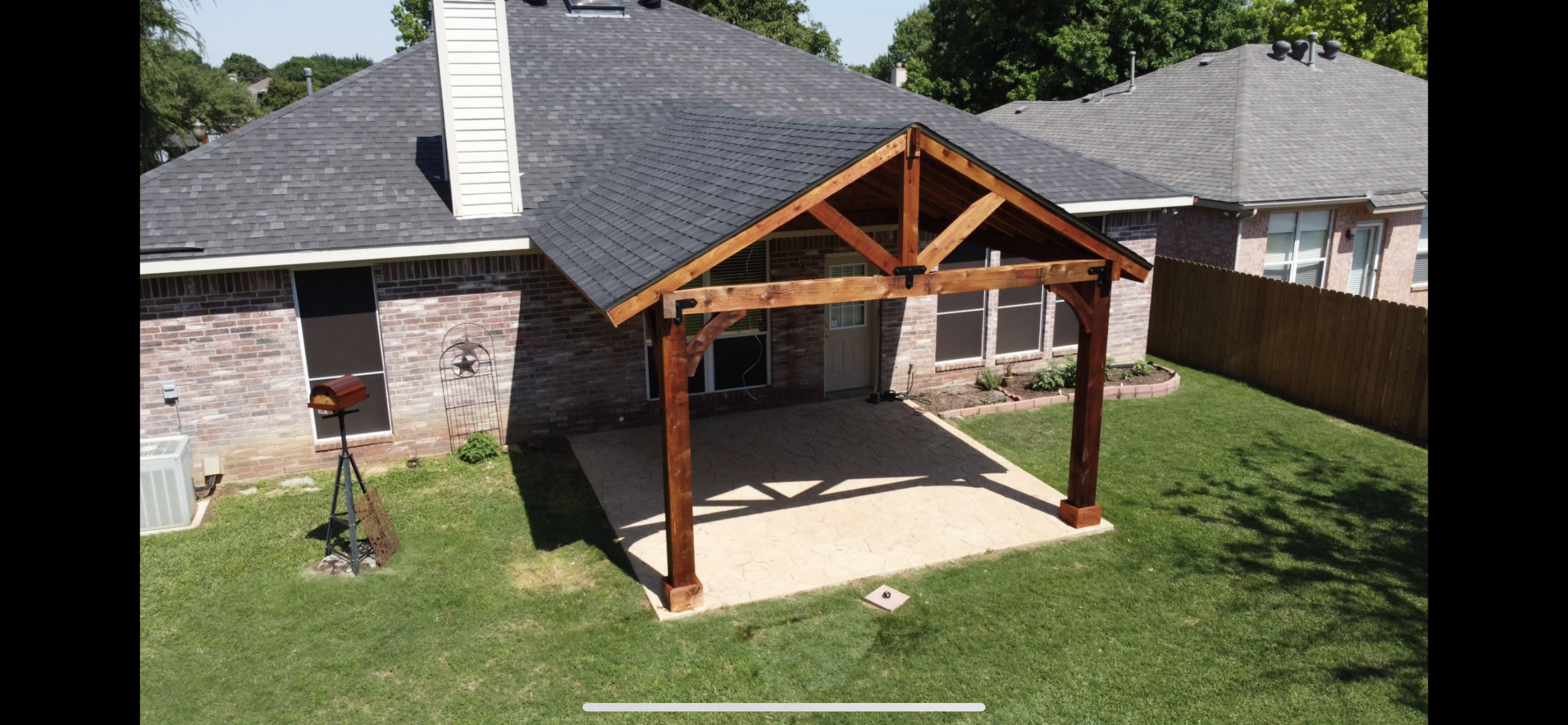
Professional observation: Shrubs can look “green” while still needing maintenance. The real clues are shape (uneven layers), density (thin centers), and clearance (branches creeping where they should not).
Main Things Customers Should Understand
Trimming is not only about making plants shorter. Good landscape maintenance keeps shrubs dense where you want coverage, removes dead or crossing growth that can rub and weaken branches, and maintains clean lines for curb appeal. In many Plano yards, the landscape design depends on consistent hedge trimming to keep beds looking intentional rather than accidental.
1) Uneven growth and “flaring”
If the top looks wider than the base, or one side grows faster, the shrub may need shaping to rebalance the growth. This is especially common when sun and irrigation coverage are uneven across the hedge line.
2) Sparse centers
When you can see through the middle, the plant often needs selective trimming to encourage fuller regrowth at the right points. Cutting blindly can make the interior stay open.
3) Dead, brown, or crossing stems
Dead growth, snapped branches, and stems rubbing each other can slow healthy recovery. Removing problem wood helps reduce stress and improves overall appearance.
During on-site maintenance checks in Plano, TX, one of the most common patterns we see is “edge creep.” Shrubs that were once lined up with a pathway installation or walkway installation start moving outward over time. That is a signal that trimming needs to happen before the plant becomes difficult to manage and before it starts pushing soil, mulch, or edging materials out of place.
Helpful direction: If your shrubs sit near hardscape like paver patio installation, pathway installation, or fencing, trimming should be coordinated so the plant line stays clean and does not keep reworking the border every season.
| What you notice | What it often means | What a maintenance plan may include |
|---|---|---|
| Overhanging branches into walkways | Clearance has slipped as growth outpaced maintenance | Targeted trimming for access, plus shaping to keep the line consistent |
| Thin middle, fuller outer edges | Interior growth is not being encouraged | Selective pruning to support better structure and density |
| Dead patches or crossing stems | Stressed or damaged growth is present | Removal of problem wood and cleanup for healthier regrowth |
| Lopsided hedge line | Uneven sun, irrigation, or past trimming | Rebalancing the shape and confirming irrigation coverage |
When shrubs are also tangled with weeds or old landscape material, trimming alone may not solve the look. If you are planning a broader refresh, you may need landscape removal before re-establishing clean lines. For example, homeowners who are updating their yard often pair hedge trimming with landscape removal so the trimming work starts on a solid foundation.
Decision tip: If you notice consistent “edge creep” year after year, it usually means a shorter trimming interval or a more structured maintenance approach is the fix, not a bigger cut.
Why This Matters in Plano, TX
Plano’s seasonal growth swings can make hedges look fine early in the year and noticeably out of shape later. In yards across Collin County, TX, shrubs also face heat and dry periods that can impact how quickly plants respond after pruning. A maintenance approach that matches the timing of growth helps shrubs look fuller, stay aligned with your landscape design, and maintain a neat border around driveways, walkways, and entryways.
If your shrubs sit near irrigation lines, check whether irrigation installation and sprinkler system installation are set up correctly. Uneven watering can lead to uneven growth and a hedge that looks trimmed on one side but not the other. For irrigation-related help, review sprinkler installation and irrigation so shrub trimming and watering support the same goals.
Need landscape trimming that fits your property layout?
Plano homeowners can schedule a maintenance-focused visit so your shrubs, hedges, and plant lines look intentional after the trimming is done.
Contact Plano Landscaping CompanyCommon Mistakes to Avoid
Many homeowners trim shrubs successfully once, then the same approach gets repeated even when the shrub’s condition changes. That is when problems start. Avoid these common mistakes so your landscape maintenance supports healthy regrowth and cleaner lines.
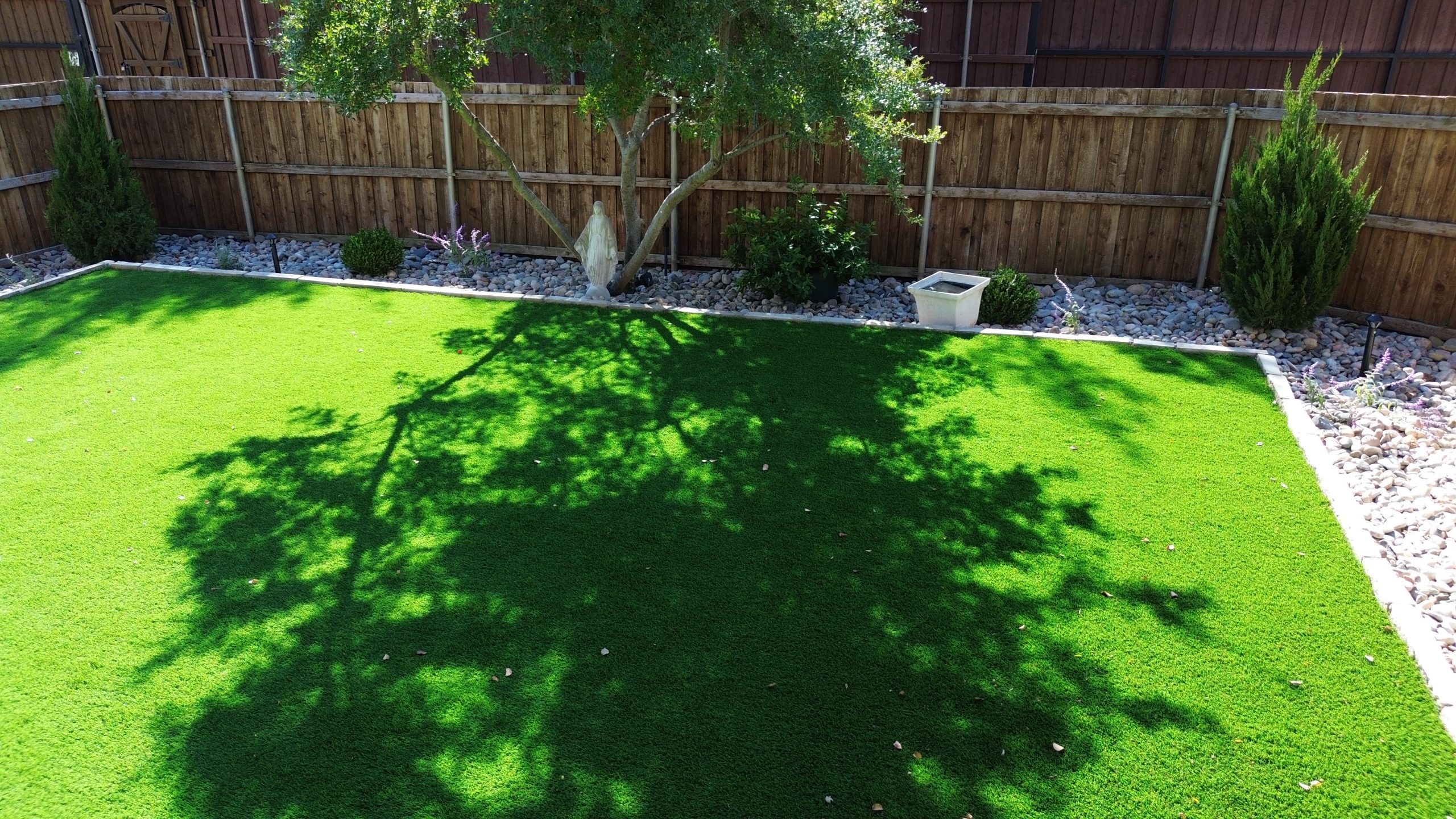
- Cutting too much from the top at once: Big cuts can reduce density and leave a hedge looking thin.
- Ignoring interior gaps: Trimming only the outer edges often keeps the middle sparse.
- Using the same approach on every hedge: Different shrubs and growth habits require different maintenance styles.
- Trimming without checking clearance: If branches overhang walkways or press into edging, the plant line will keep shifting.
- Forgetting the hardscape border: Shrubs near fencing or patios may need coordinated cleanup to stay aligned.
If your landscaping has aged and you are changing the layout, consider whether a new installation plan is the better long-term choice. Some yards benefit from a full reset before shrubs are trimmed into their final shape. You can explore landscape installation when you want a cohesive look from the ground up.
Customer Checklist
Use this checklist before you schedule shrub trimming or hedge trimming in Plano, TX. It helps you communicate your goals clearly and gives your landscaping team the details needed for a maintenance plan that fits your property.
- Walk the property and mark where shrubs touch or cross walkways, doors, or windows.
- Check the interior of hedges for sparse areas, dead spots, or crossing stems.
- Compare both sides of the shrub line. Note any lopsided growth and where it starts.
- Look at the border materials. Confirm whether mulch, edging, or fencing lines are being pushed out of place.
- Decide your goal: cleaner edges, fuller density, or general maintenance cleanup.
- If irrigation is nearby, note any areas that look drier or wetter than the rest.
Representative scenario: A homeowner in Plano notices their front hedge is blocking the lower corner of the entryway and the top looks uneven. After a quick review, they also find the center looks thinner than the outer growth. Instead of a heavy “top cut,” the maintenance plan focuses on restoring a more balanced shape and removing crossing or problem stems, then coordinating trimming so the hedge stays off the walkway edges.
Frequently asked questions
How do I tell if my shrubs need trimming or just cleanup?
If the shrub is still dense but looks messy, cleanup may be enough. Look for dead branches, snapped stems, and obvious clutter. If you see clearance issues (branches overhanging paths) or structural problems like sparse centers and uneven layers, trimming is usually the better fix. A quick inspection from multiple angles helps confirm whether the issue is appearance only or a growth-shape problem that needs maintenance.
Can trimming help a hedge look fuller again?
Often, yes. Selective trimming can encourage better structure so the hedge regrows where you want density. The key is avoiding overly aggressive cuts that remove too much at once. If the interior is sparse, trimming should target the plant’s shape rather than only the outer edges. For Plano, TX yards, aligning trimming with how the shrub responds to seasonal growth can make a noticeable difference in how full it looks afterward.
How often should shrub trimming happen in Plano?
There is no one schedule that fits every yard because growth rates vary by shrub type, sun exposure, and irrigation coverage. The practical approach is to trim when you start seeing edge creep, lopsided growth, or interior thinning. Many homeowners find that earlier maintenance prevents the need for heavier cuts later. If you want a yard that stays consistently crisp, a maintenance plan based on what you observe on your property usually works best.
What should I do if shrubs are near fencing or patio pavers?
Give extra attention to clearance and border alignment. Shrubs that press into fencing lines or keep shifting mulch and edging can create a cycle where the yard never stays “finished.” Trimming should be coordinated to keep the hedge line straight and off hardscape edges. If your layout is part of a larger outdoor living space plan, you can also review related services like paver patio installation to ensure the plant border matches the hardscape design.
When is landscape removal a better option than trimming?
Landscape removal tends to make sense when the current beds and plantings are outdated, overgrown beyond reasonable shaping, or mixed with materials that are holding the yard back visually. Trimming helps maintain and refine what is already working. If the overall layout needs a reset, removal can create clean lines so shrubs can be trimmed and maintained to your preferred shape. For that kind of refresh, landscape removal is often the first step.
Get your shrub lines back in shape
If your hedges are creeping into paths, thinning in the center, or looking uneven, a trimming-focused maintenance visit can bring everything back to a clean, intentional look in Plano, TX.
Call (214) 624-6011
About Plano Landscaping Company
Plano Landscaping Company provides landscaping services for homeowners across Plano, TX and Collin County, TX, with maintenance-focused work like landscape trimming, hedge trimming, and yard cleanup to support clean, well-shaped outdoor spaces.