
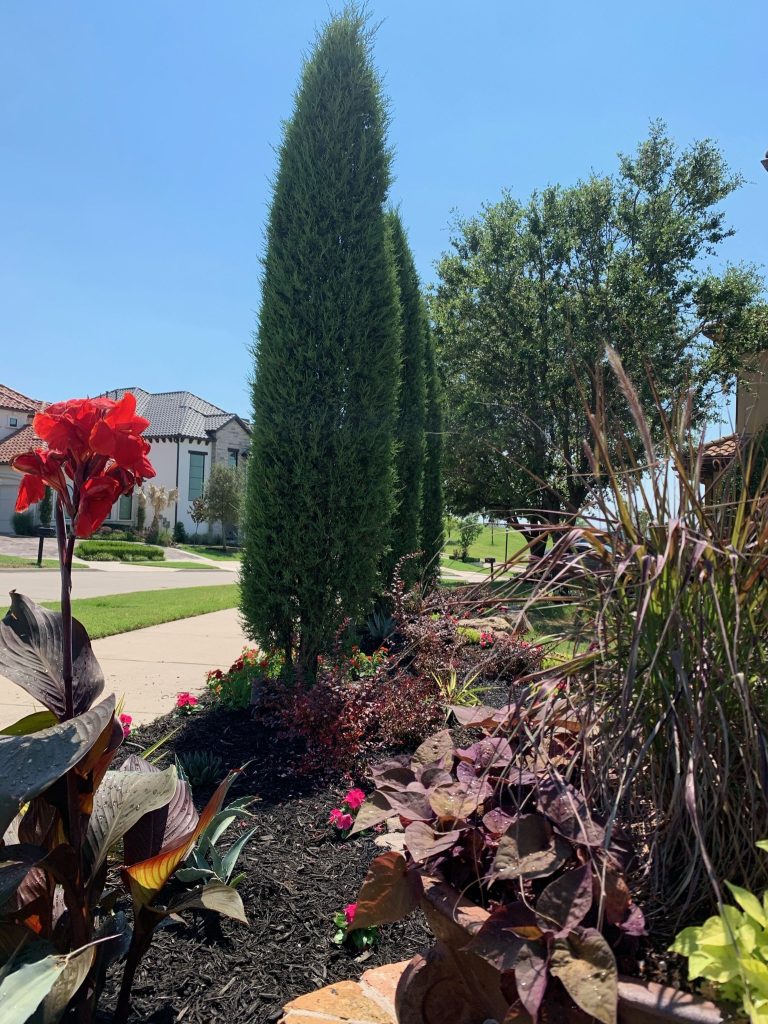
Landscape Trimming Near Me in Plano for Homes
If your shrubs are getting leggy, hedges look uneven, or your landscape beds feel “out of shape,” trimming is usually the quickest fix. This guide helps you understand what to ask for, what to inspect, and how to plan shrub trimming and hedge trimming around a real Plano home schedule.
It starts small: a hedge grows a little faster than you expected, or a row of foundation shrubs starts filling in unevenly. Then you notice gaps, branches creeping into walkways, and that “almost done” feeling every time you look out from the driveway.
In Plano, TX, that growth pattern can be especially noticeable during active seasons, and trimming becomes more than just appearance. It affects how your plants recover, how clean your beds stay, and whether your yard looks maintained instead of neglected.
This guide will help you choose the right approach for landscape trimming near you, including what to check first, common mistakes to avoid, and a practical customer checklist you can use before you schedule service.
- Quick answer
- What to check first
- Main things customers should understand
- Why this matters in Plano, TX
- Common mistakes to avoid
- Customer checklist
- Frequently asked questions
Quick Answer
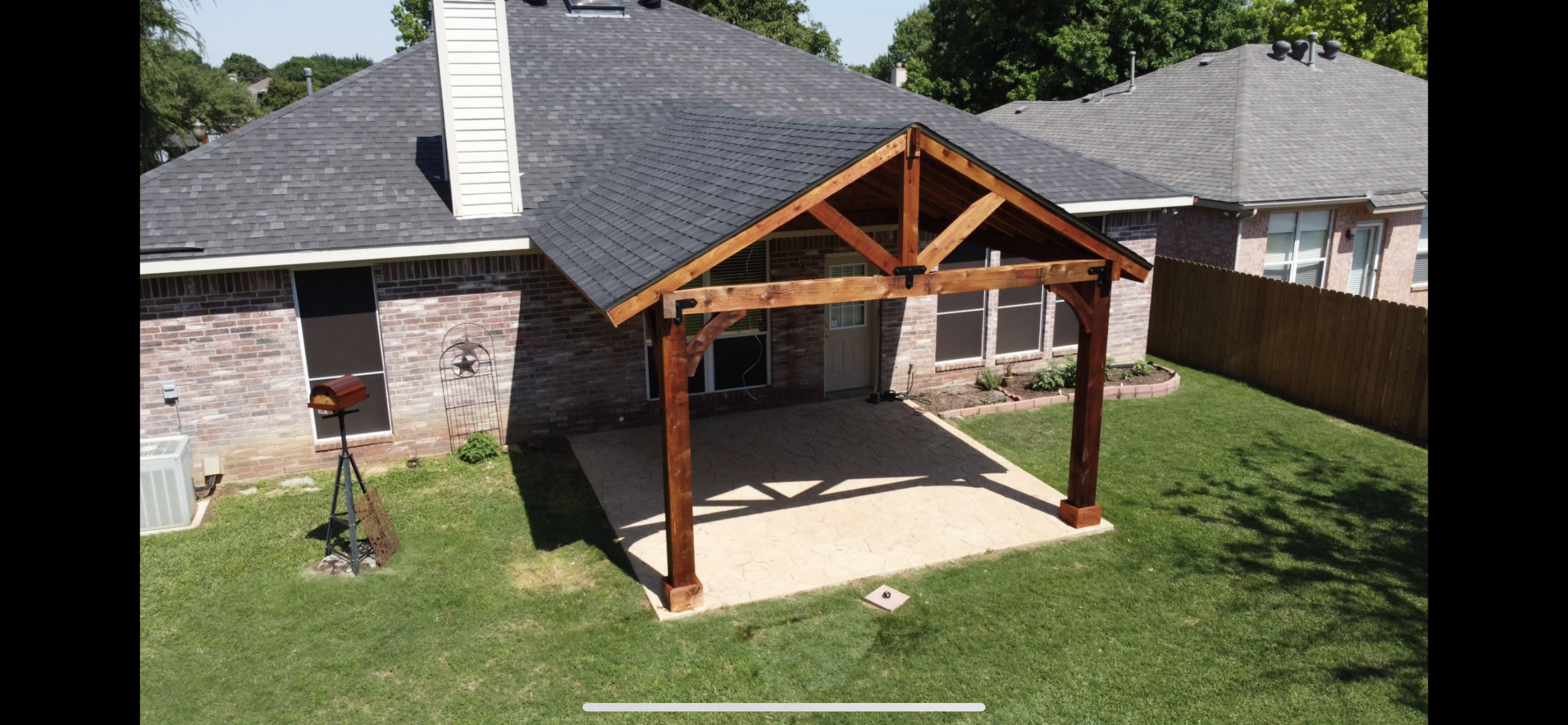
If your shrubs, hedges, or foundation plantings look uneven, the fastest path is a trimming plan that matches plant type and growth pattern. Ask for a careful pass that shapes hedges and shrubs without stripping everything back at once. For best results in Plano, schedule trimming when your plants can recover and confirm your service includes bed cleanup so clippings do not linger. If you are also dealing with overgrowth in beds, consider pairing trimming with landscape removal so the yard looks intentional, not just “cut back.”
What to Check First
Before you call for landscape trimming, take a short walk around your property and identify what is actually bothering you. Uneven hedge trimming is different from shrubs that are overgrown into sidewalks, and both are different from plants that need selective shaping for healthy regrowth.
1) Boundaries and clearance
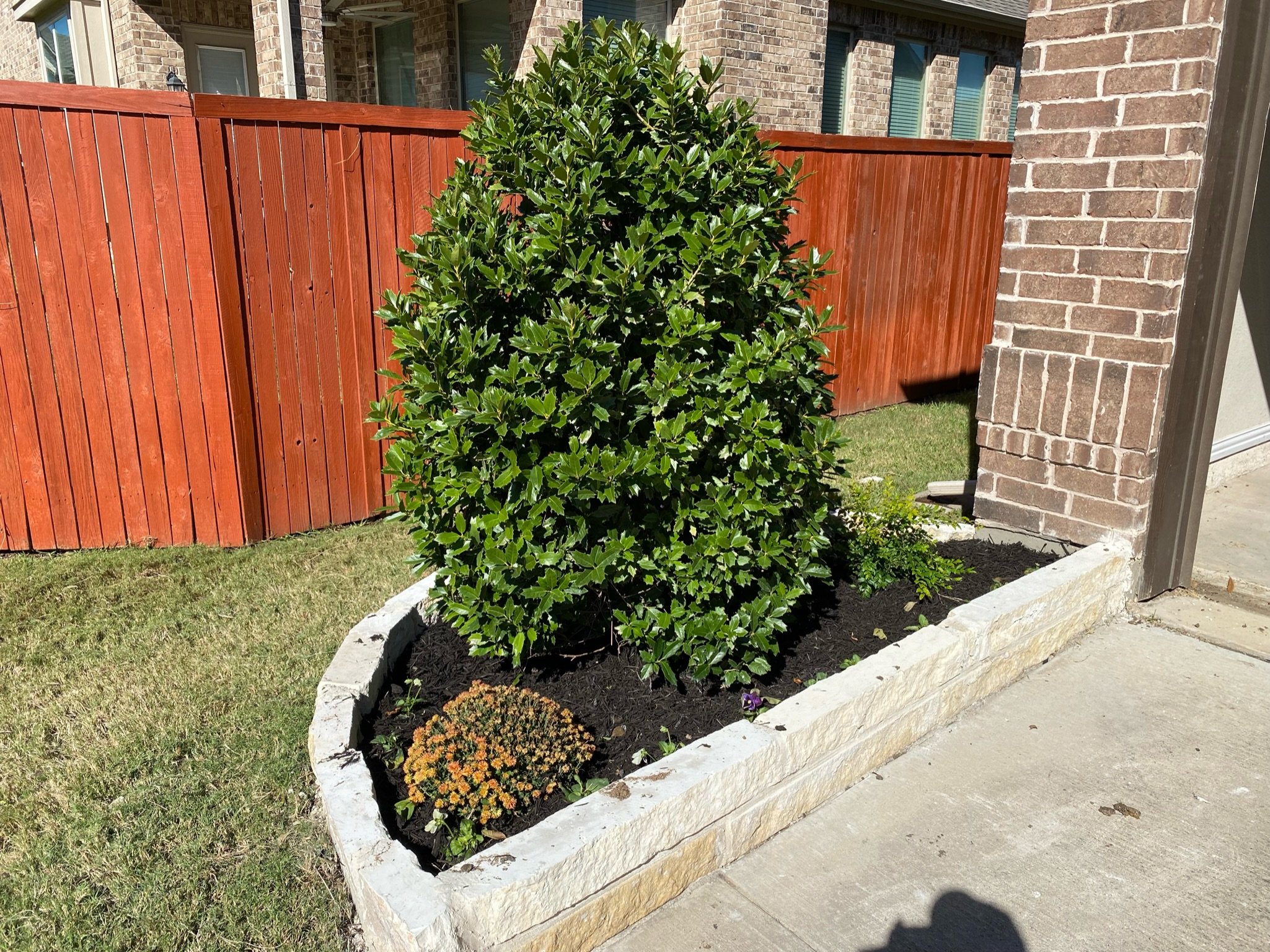
Check for branches creeping into walkways, driveway edges, or windows. If plants are touching hard surfaces, trimming should include cleanup so the area looks crisp.
2) Shape and symmetry
Look at straight lines (hedges) and rounded forms (foundation shrubs). Uneven growth often means trims were delayed or done without a consistent shape plan.
3) Bed condition
If clippings, weeds, or mulch gaps are piling up, landscape maintenance may be needed alongside trimming for a clean finish.
Professional observation: Many homeowners focus on the “height” of hedges, but the quality difference is usually in the edges. Clean linework around beds and walkways is what makes landscape trimming look finished.
Main Things Customers Should Understand
Good landscape trimming is less about cutting as much as possible and more about trimming with a purpose. In Plano, TX, residential properties often have a mix of foundation plantings, border shrubs, and hedges that are meant to frame the home. When trimming is done without a plan, you can end up with bare patches or plants that look uneven for the rest of the season.
Firsthand-style industry observation: When crews trim hedges and shrubs, they usually start by checking how the plant actually grows, then they confirm where leaves and buds are positioned. That helps avoid cutting into areas that will not fill back quickly, especially when trimming is requested on short notice.
Trimming vs. full landscape work
Sometimes what looks like “just trimming” is actually a bigger yard-management problem. If your beds are overgrown or you have old plantings that no longer fit your plan, a cleanup approach can make trimming look dramatically better. If you are dealing with yard removal services, you may want to review landscape removal before scheduling trimming.
Watering and irrigation check
If shrubs seem stressed or patchy, trimming alone may not fix the underlying issue. Before you spend time and effort on shrub trimming, it helps to confirm irrigation performance, especially if you have sprinkler system installation or older sprinkler setups. For related services, see sprinkler installation and irrigation.
When trimming is part of a bigger maintenance routine
Many homeowners get the best results when trimming is paired with consistent landscape maintenance. If you want your yard to stay “camera-ready” between bigger projects, review lawn care and maintenance to see how trimming fits into overall upkeep.
Why This Matters in Plano, TX
In Plano, TX, homeowners often want a clean look that still matches how they live. Trimming is one of the quickest ways to keep landscaping from encroaching on outdoor living spaces, and it helps maintain tidy lines along driveways and around entrances. When shrubs and hedges are trimmed with an eye for shape and clearance, the entire front yard reads more organized, even before you consider pavers, patios, or other upgrades.
Local planning tip: If you are also planning updates like paver patio installation or new pathways, get your trimming and bed cleanup aligned with the project timeline so plants do not get disturbed twice.
| What you notice | What it usually means | Best next step |
|---|---|---|
| Hedges look uneven or “wavy” | Trims may not follow a consistent line or shape | Schedule hedge trimming with cleanup and edge work |
| Foundation shrubs are spreading into walkways | Plants need clearance and reshaping | Request selective shrub trimming focused on boundaries |
| Beds look cluttered after growth | Clippings and debris are staying in place | Ask for bed cleanup as part of landscape maintenance |
| Plants look stressed even after trimming | Watering performance may be inconsistent | Review irrigation with sprinkler installation and irrigation |
Want landscape trimming that looks clean, not just cut back?
Call Plano Landscaping Company and describe what you want shaped. We can help you plan shrub trimming and hedge trimming that fits your home in Plano, TX.
Request a trimming consultCommon Mistakes to Avoid
Homeowners usually make the same few trimming mistakes, and they are easy to prevent. If you want your landscape trimming to hold its shape longer and look more intentional, avoid these pitfalls.
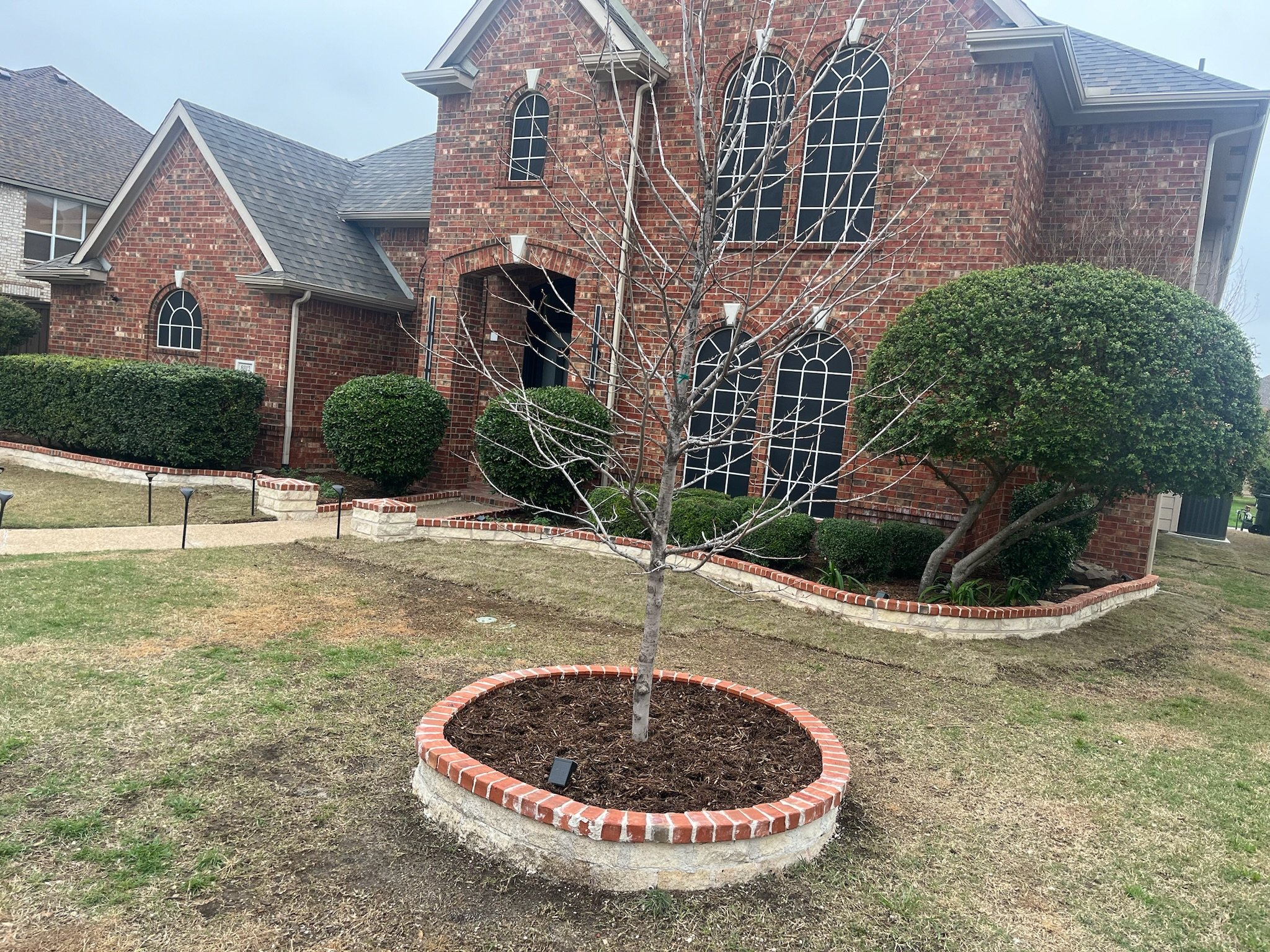
- Trimming too aggressively at once: Cutting everything back hard can slow regrowth and leave uneven patches.
- Ignoring plant boundaries: Skipping clearance around walkways and entrances often makes the yard look messy again faster.
- Not planning for bed cleanup: Clippings left in planting areas can make beds look unmaintained even after the plants are trimmed.
- Overlooking irrigation performance: If shrubs struggle, trimming alone may not solve the underlying cause.
- Waiting until the problem is “extreme”: When hedges are severely overgrown, it can be harder to restore a clean line.
Customer Checklist
Use this quick checklist before you schedule landscape trimming in Plano, TX. It helps you communicate your priorities clearly and ensures the finished look matches what you want.
- Walk the property and point out which hedges and shrubs need shaping.
- Mark any overgrowth touching walkways, driveway edges, or entrances.
- Decide on the look: straight hedge line, rounded foundation shrubs, or a blended natural shape.
- Confirm you want bed cleanup included after trimming.
- Check whether irrigation is installed and ask if it needs attention before trimming.
- Take note of any plants you want left alone for now, especially if you plan future landscaping work.
Representative scenario
A Plano homeowner notices their front hedges have grown taller on one side and are spilling slightly toward the walkway. They want the yard to look neat for guests but do not want to remove plants. The homeowner schedules landscape trimming focused on consistent linework, selective shaping for regrowth, and a cleanup pass that leaves crisp edges along the planting beds. After trimming, the property reads more balanced, and the hedges stay within the same boundary instead of creeping back toward the walkway.
Frequently asked questions
How often should I schedule landscape trimming in Plano?
For many residential yards, trimming is easiest to manage on a recurring plan rather than waiting until hedges look overgrown. The right schedule depends on how fast your shrubs and hedges grow and whether they need frequent clearance around walkways and entrances. If you are unsure, start by trimming for shape and boundaries, then maintain with lighter, more frequent passes so plants recover evenly and the yard stays tidy.
What’s the difference between shrub trimming and hedge trimming?
Shrub trimming usually focuses on maintaining a desired form for foundation or border plants, including selective shaping and cleanup. Hedge trimming is more about straight or consistent lines, often with an emphasis on edges so the hedge looks uniform. In both cases, quality matters in the details: where the cuts land and how the plant will fill back over time.
Can trimming help when my beds look messy even after mowing?
Yes, trimming can make a big visual difference because it removes the “messy” overgrowth that makes landscaping feel abandoned. However, if debris, clippings, or weeds are already established in planting areas, you may also need bed cleanup or additional landscape maintenance. If your yard has old plantings that no longer fit, pairing trimming with landscape removal can help you get a cleaner foundation for future upkeep.
Should I check my irrigation before trimming?
If shrubs or hedges look patchy, stressed, or uneven in growth, irrigation performance can be a factor. Trimming helps appearance, but it does not correct watering problems. If you have sprinkler system installation or irrigation you rely on, ask your landscaping team to consider irrigation performance before you shape the plants so your yard can recover evenly.
Do I need a full landscaping project to get better-looking plants?
No. Many homeowners simply need targeted landscape trimming and cleanup to restore a polished look. A full landscape installation or redesign is only necessary if you want to change plant types, layout, or larger hardscape elements. If you want to upgrade later, you can still trim now to keep everything looking intentional until your next project.
Get landscape trimming near you in Plano, TX
If your shrubs and hedges need shaping, clearance, and cleanup, Plano Landscaping Company can help you plan a trimming approach that fits your home and schedule.
Visit planolandscaping.net Call (214) 624-6011
About Plano Landscaping Company
Plano Landscaping Company provides residential landscaping services in Plano, TX and Collin County, including landscape trimming, landscape maintenance, irrigation installation, and related outdoor improvements. The goal is a cleaner, more intentional yard through practical, customer-focused care.