
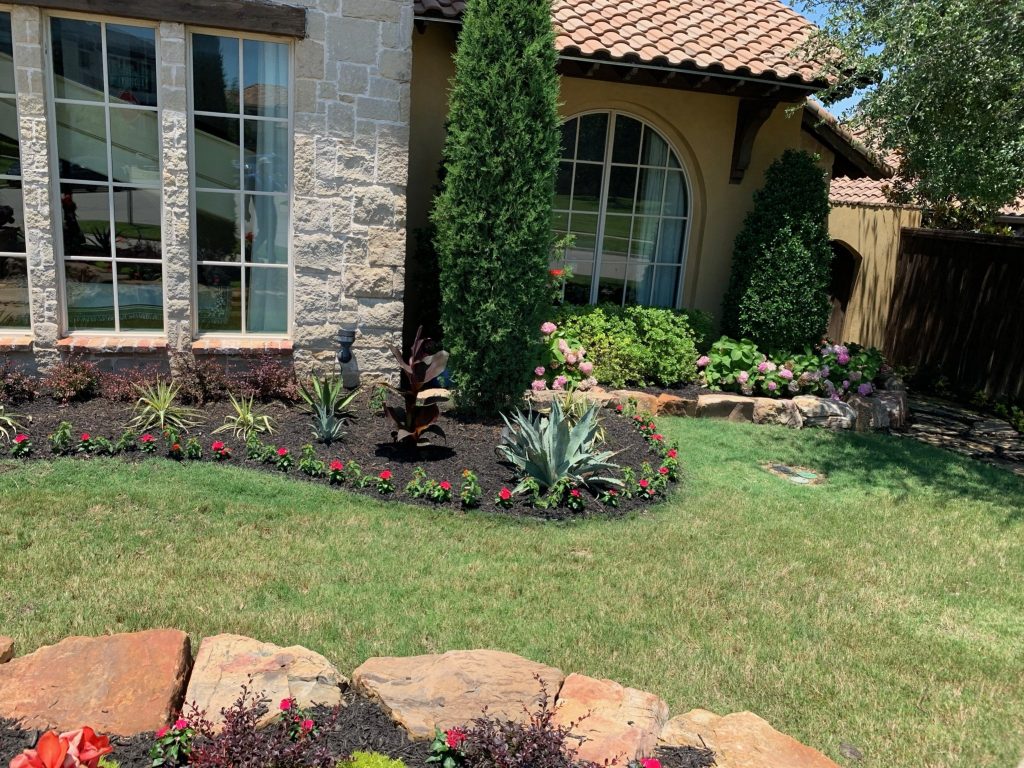
Landscape Removal vs Trimming: What’s Best?
If your yard in Plano feels overgrown, messy, or harder to maintain, the fix might not be more trimming. This guide helps you decide whether you should trim back shrubs and hedges or remove plants and old landscaping entirely.
You come outside after a busy weekend and notice the shrubs are swallowing the walkway, hedges look uneven, and the beds feel crowded. You consider trimming again, but part of you wonders if you are just hiding a bigger problem.
In Plano, weather swings and sun exposure can make plants grow fast in some seasons and struggle in others. The difference between “tidy” and “manageable” usually comes down to one question: are the plants still healthy enough to shape, or are they past the point where trimming will help?
Below, you will find a quick way to choose between landscape trimming and landscape removal, plus a homeowner checklist you can use before scheduling work with a local landscaping team.
- Quick answer
- What to check first
- Main things customers should understand
- Why this matters in Plano, TX
- Common mistakes to avoid
- Customer checklist
- Frequently asked questions
Quick Answer
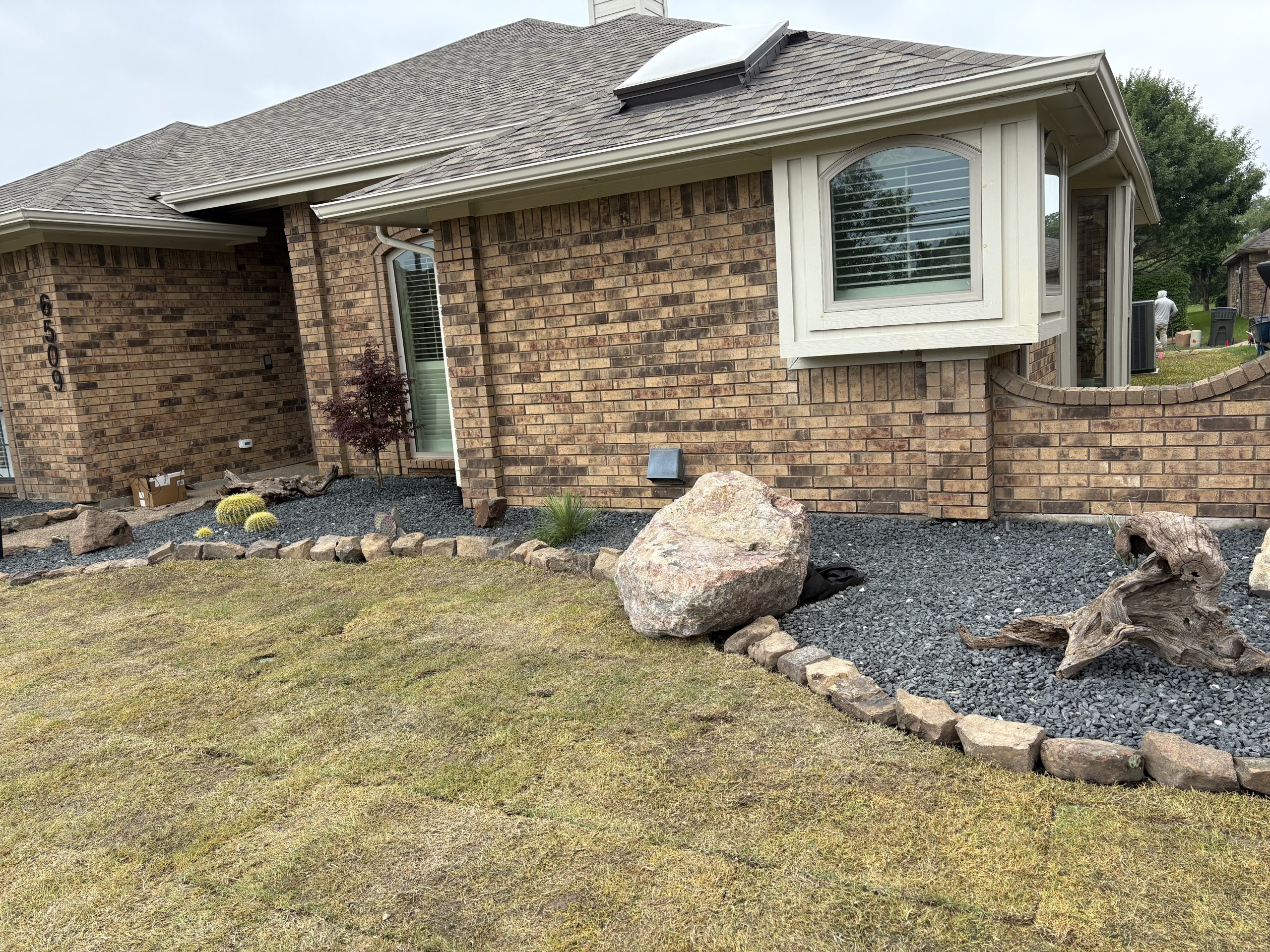
Trim when the plants are generally healthy, the structure is still sound, and your goal is shape, cleanup, or better access. Choose landscape removal when plants are declining, overgrown to the point that trimming will not restore spacing, or when old landscaping is blocking improvements like new beds, pathways, or irrigation updates. If you are unsure, start by checking plant health, root crowding, and whether the area needs a reset for future landscape installation or lawn care maintenance. For help in Plano, call (214) 624-6011.
What to Check First
Before deciding on trimming or removal, walk the yard and look at the “why,” not just the “what.” Healthy growth patterns, root behavior, and how the plants impact walkways and beds will tell you quickly whether you can fix the problem with shaping or whether you are dealing with an area that needs a reset.
Look for health signals
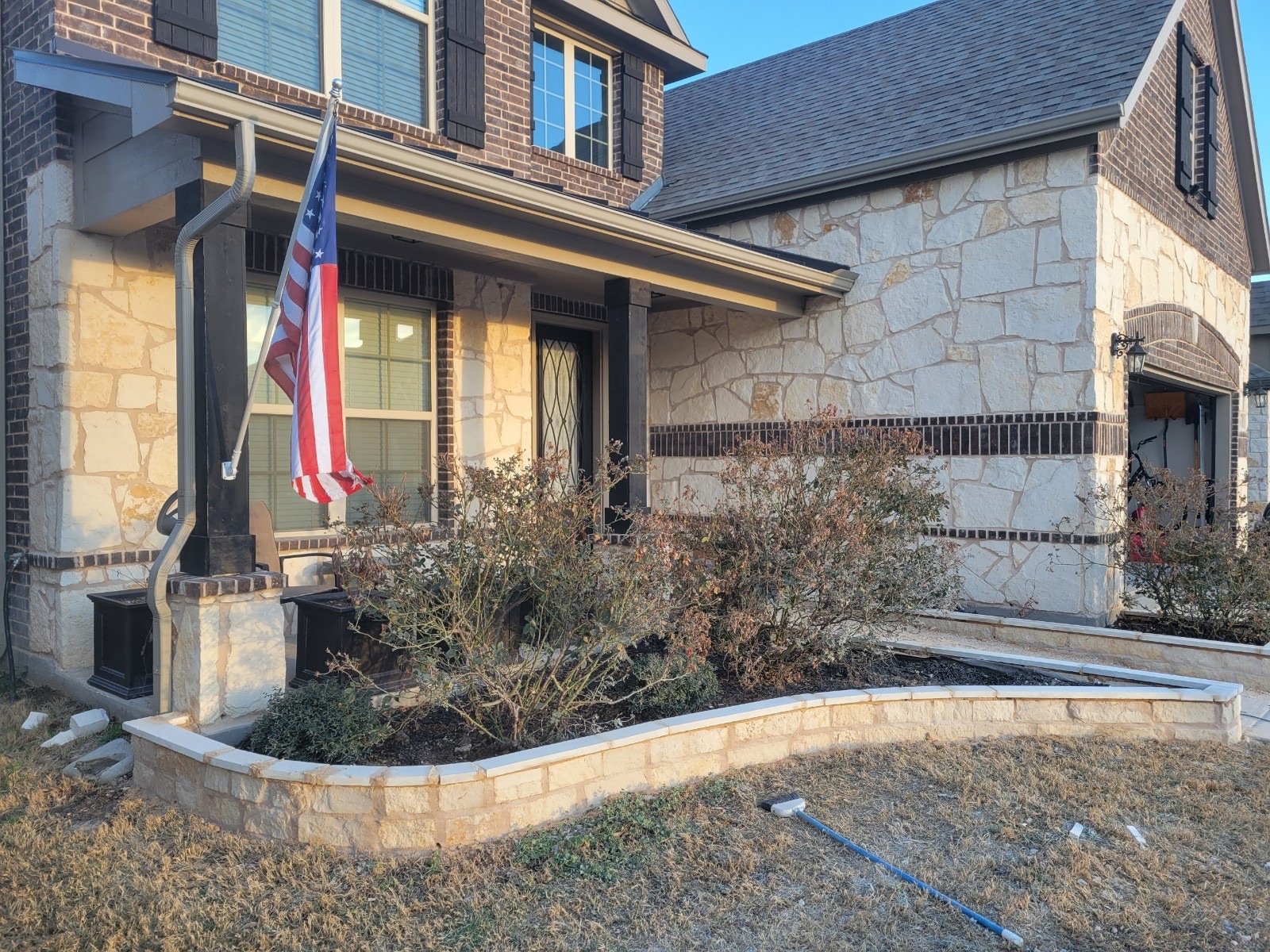
Sparse leaves, dieback, persistent discoloration, or lots of dead interior branches often mean trimming will not “bring it back.” In those cases, removal is frequently the cleaner long-term path.
Check spacing and access
If you cannot safely reach plants for watering and maintenance, or if beds keep swallowing edges, trimming may only buy time. Removal can open space for proper landscape installation and ongoing landscape maintenance.
Scan for hidden work
Beds that are packed over existing hardscape or buried infrastructure can create more trouble than expected. If you suspect drainage issues, irrigation installation needs, or changes to hardscape, plan the “big picture” first.
Professional observation: If trimming is your only tool, you will often keep repeating the same cleanup every season. A removal-first approach is usually the right call when the plant problem is structural, not just cosmetic.
Main Things Customers Should Understand
Trimming and removal are not opposites. They are tools for different situations. In Plano neighborhoods with established landscaping, the “best” option usually depends on whether the plants can be reshaped or whether the bed needs a full redesign.
When trimming is usually the best fit
Trimming works well for shrubs, hedges, and ornamental growth that is still alive and consistent. You are typically aiming to restore clean lines, improve airflow, reduce overhang on walkways, and make beds easier to maintain.
When removal is usually the better long-term choice
Removal is often the right move when plants are declining, roots have crowded out nearby vegetation, or the area has a history of persistent overgrowth. It also becomes the practical option when you want to replace old landscaping with something new, such as a fresh landscape design, updated outdoor living spaces, or new installation that requires clear ground.
How irrigation and drainage can affect your decision
Many Plano yards include established sprinkler systems and irrigation controllers. If plant removal is needed, it can also be an opportunity to address irrigation installation planning so the new layout supports watering and reduces future maintenance headaches.
| Situation you’re seeing | More likely the right move | Why it matters |
|---|---|---|
| Hedges look uneven but leaves are full and green | Landscape trimming | Shaping can restore structure without starting over. |
| Large sections show dieback or dead interior growth | Landscape removal | Trimming can’t fix declining health or overcrowded roots. |
| Beds are swallowing edges and limiting access to walkways | Either, depending on health | If plants are healthy, targeted trimming may work. If not, removal opens the bed for a reset. |
| You’re planning new hardscape, like patios or pathways | Landscape removal (often) | Clear ground helps support proper installation and edges. |
| Your goal is a cleaner, easier maintenance layout | Landscape removal + new landscape installation | Starting fresh can reduce repeat cleanup cycles. |
Why This Matters in Plano, TX
In Plano, many homes have mature landscaping that looks great when it is maintained, but can become difficult when it is skipped. During hot stretches, overgrown shrubs can also create shade and airflow problems that make beds harder to manage. Choosing trimming when removal is needed can leave you with a yard that still feels crowded, even after the “cleanup.” If you are aiming for a more organized look, pairing the right plant work with landscape installation planning often leads to better results than repeating the same seasonal cuts.
Need help deciding for your Plano yard?
If you are stuck between trimming and removal, a quick on-site review can help you pick the option that matches your goals and avoids unnecessary repeat work.
Review landscape removal optionsCommon Mistakes to Avoid
Homeowners usually make the same few mistakes when deciding between trimming and removal. The fix is not just “do it better,” it is choosing the correct method for the actual condition of the plants and the bed.
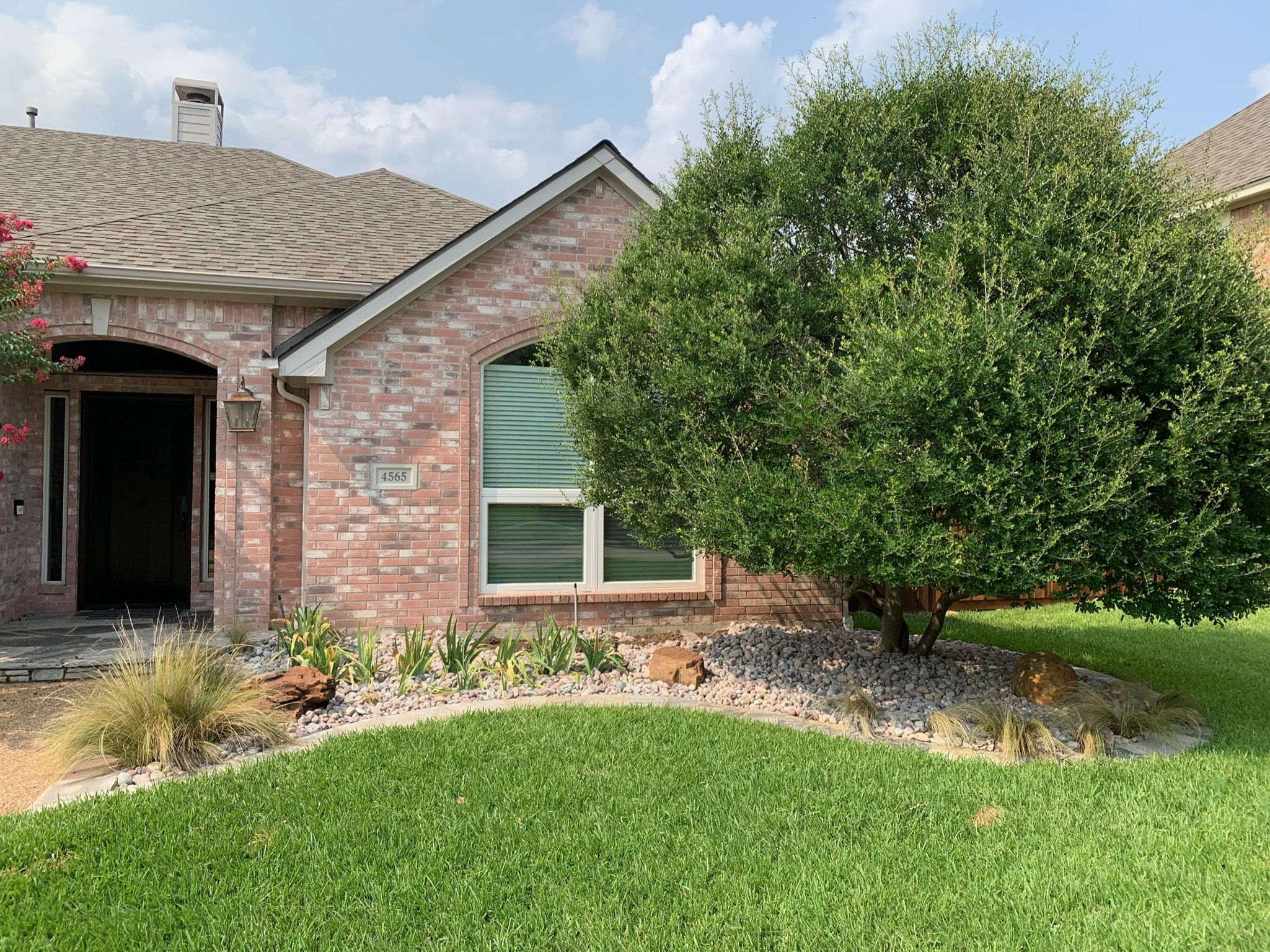
- Trimming declining plants and expecting a full recovery. If the plant is struggling internally, shaping often only delays the inevitable.
- Cutting back too aggressively without a plan. Oversized cuts can stress growth and make the bed look worse before it improves.
- Ignoring what’s happening at the roots. Crowding and root competition can keep the area messy even after surface cleanup.
- Skipping the “future layout” question. If you plan new beds, pathways, or a yard reset, removal is usually the more efficient starting point.
- Overlooking irrigation and drainage impacts. Plant work can uncover issues that affect watering and long-term landscape maintenance.
Customer Checklist
Use this short checklist before you schedule work in Plano. It helps you describe what you want, and it helps your landscaping team plan the right scope for trimming or landscape removal.
Actionable checklist: Take a few minutes and note what you see. Then bring the answers to your consultation.
- Which plants are overgrown, and do they look healthy from the outside in (not just at the tips)?
- Are any areas blocking walkways, driveway edges, or routine lawn care maintenance access?
- Do you see dead branches or thinning that suggests the plants are declining?
- Do the beds feel overcrowded, or are plants encroaching on each other?
- Are you planning any updates soon, such as pathway installation or other outdoor improvements?
- Is irrigation present, and do you expect to adjust the layout to match watering needs?
Representative Scenario
A Plano homeowner calls for help because the front bed looks “out of control” and the shrubs are now touching the walkway. The plants still have some green growth, but the interior looks sparse, and the bed is packed so tightly that trimming would not restore clean spacing. After reviewing plant health and bed structure, the recommended approach is a targeted removal of the worst areas, followed by a fresh landscape installation plan that makes trimming and lawn care maintenance easier going forward.
Frequently Asked Questions
If you have questions about how trimming and removal work together, these are the most common ones we hear from homeowners around Plano and Collin County.
Can trimming fix an overgrown hedge if it looks crowded?
What’s the difference between “old landscaping removal” and normal trimming?
Will removal affect my sprinkler system or irrigation?
Is it better to remove everything or only the worst sections?
How do I know whether I need landscape removal or lawn care maintenance?
Ready to get your yard back under control?
Whether you need landscape removal, trimming, or a coordinated plan for the next phase of your property in Plano, Plano Landscaping Company can help you choose the right approach.
Call (214) 624-6011
About Plano Landscaping Company
Plano Landscaping Company provides landscaping services for homeowners across Plano and Collin County, TX. Our focus is practical, property-aware solutions, whether you are cleaning up overgrown beds, planning landscape installation, or coordinating updates that affect irrigation and long-term yard maintenance.