
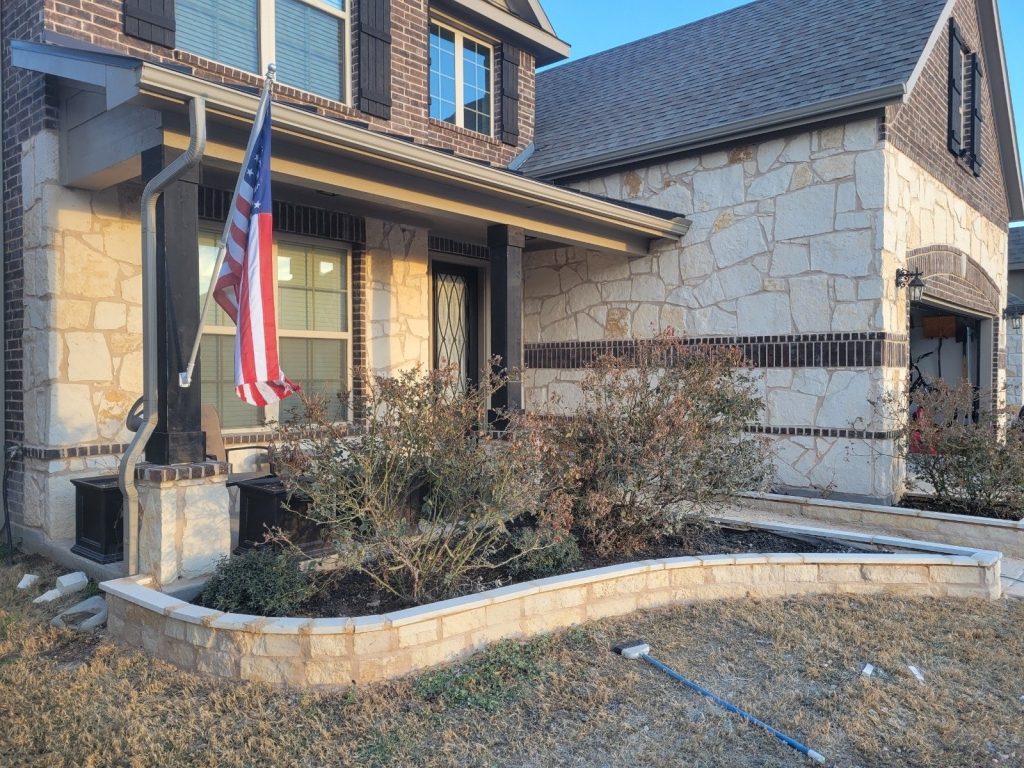
Landscape Removal Near Me in Plano, Texas Today
If your yard in Plano has old beds, tired sod, or unwanted hardscape that is holding water or blocking new landscaping, removal is usually the first step. This guide helps you plan a clean, controlled yard removal so your next lawn care, paver patio, or installation looks right from day one.
You’re ready to improve your outdoor space in Plano, but the current landscape is working against you. Maybe the old beds have become a catch-all for weeds, or the yard drainage looks worse after every heavy rain. Or you might be planning a new patio, walkway, or irrigation update and realize the existing materials need to be removed first.
Before anyone starts digging, it helps to know what “landscape removal” should include, what to watch for, and how to avoid surprises. Below, you’ll find a quick way to decide what kind of removal you need, plus a practical checklist for a smoother project in Plano, TX.
- Quick answer
- What to check first
- Main things customers should understand
- Why this matters in Plano
- Common mistakes to avoid
- Customer checklist
- Frequently asked questions
Quick Answer
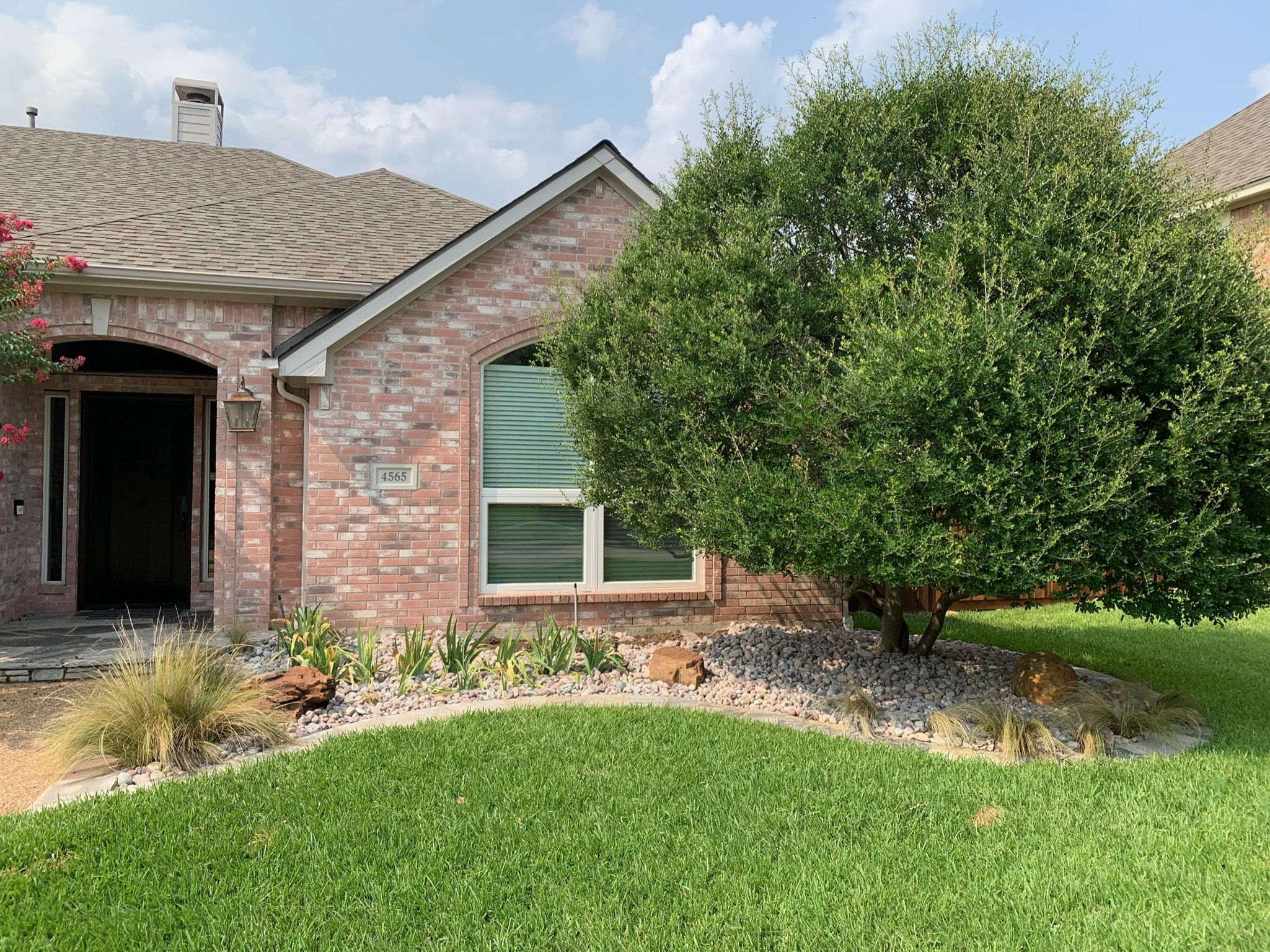
If you’re searching for landscape removal near you in Plano, start by identifying what must come out (old sod, edging, shrubs, pavers, or landscape beds) and what needs careful handling (irrigation lines, drainage patterns, and utilities). A good removal plan clears the area, controls debris, and prepares the base for what comes next, whether that is landscaping services, sod installation, or a hardscape update. The practical next step: schedule a site visit so the crew can verify what’s there and confirm the prep needed for your new landscape.
What to Check First
Before removal begins, walk the area like you’re troubleshooting a problem. Look for where water collects, where the ground is uneven, and where old planting beds meet lawn edges. In Plano, TX, homeowners often notice that older landscaping can make drainage feel inconsistent, especially around downspouts and low spots.
Identify what’s being removed
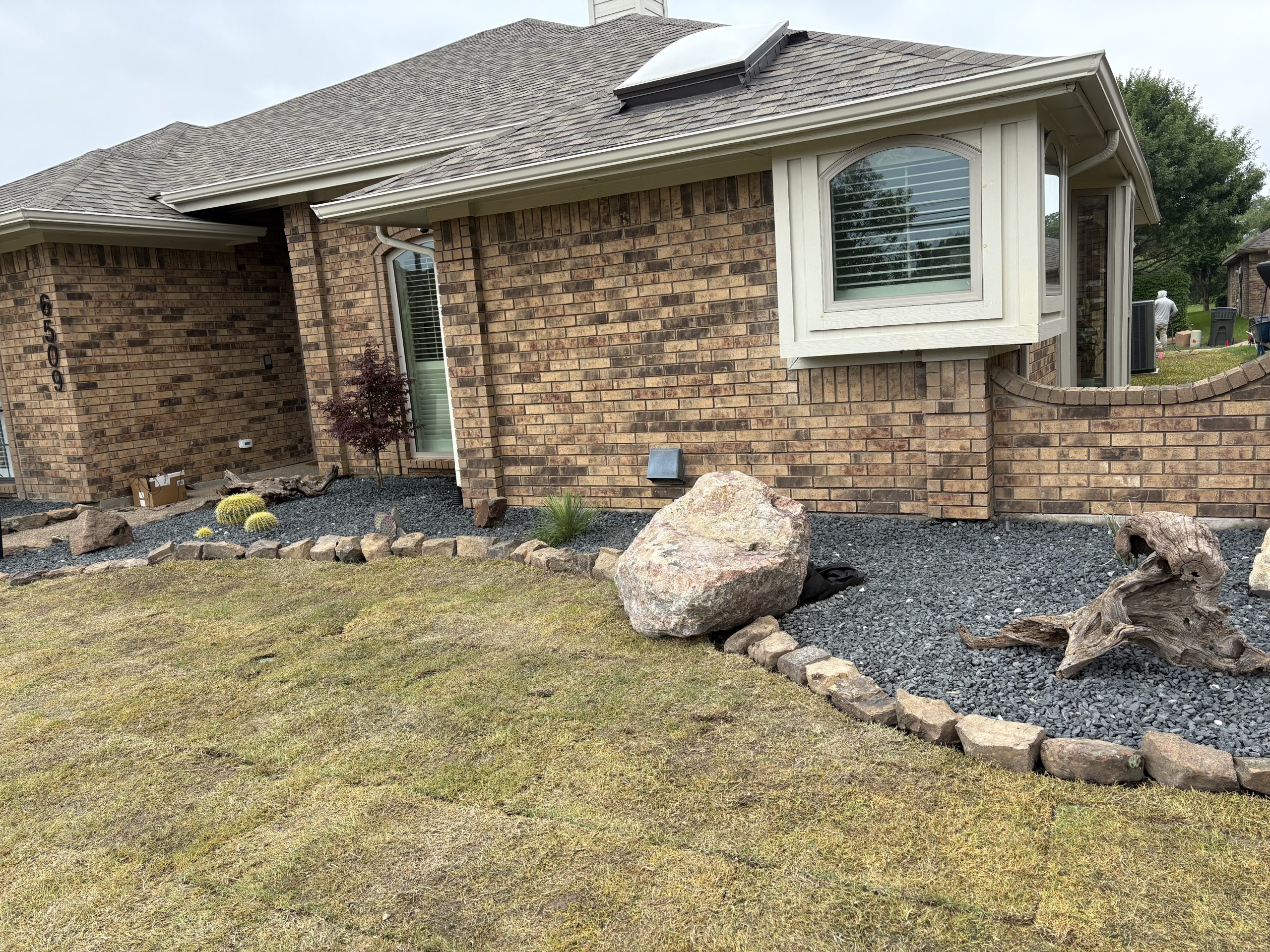
List every material category you want out: old landscaping, yard debris, shrubs, hedge trimming areas that need full replacement, or hardscape like paver patio sections.
Protect irrigation and drainage
If you have an irrigation installation or sprinkler system installation, removal should account for sprinkler heads, lines, and grading so you do not create new low spots.
Plan what comes after
Removal is the foundation. If you’re moving toward sod installation or a new patio, base prep and leveling matter as much as the debris removal.
Main Things Customers Should Understand
Landscape removal is not one-size-fits-all. The scope changes based on what you have now: old landscaping beds, overgrown shrubs, worn lawn areas, or hardscape that needs to be removed for a new backyard patio or pathway installation. A careful approach keeps the work efficient and helps protect the rest of your yard so the next step can go smoothly.
Professional observation: In many Plano yards, the biggest “hidden” variable is grading. When removal is done without a plan for the final slope and drainage flow, customers may still see pooling or dry patches after landscaping installation. A crew that checks how water moves before and after removal saves time later.
Common removal components
Depending on your property, your landscape removal scope may include clearing existing beds, removing old sod or turf installation remnants, taking out shrubs or areas that require shrub trimming or hedge trimming before replacement, and pulling up outdated edging. If you are updating outdoor living spaces, removal may also include sections of paver patio installation, pathway installation, or other hardscape elements.
How removal affects the next project
Think of removal as the “reset” for your yard. The better the base is prepared, the more predictable your results are for landscaping services that follow. For example, if you are planning outdoor lighting installation or low voltage landscape lighting along new walkway lines, the placement becomes much easier when old materials and debris are fully cleared.
Local insight for Plano homeowners: Many properties in Collin County have mature trees, established planting areas, and older layout decisions. Removal usually goes faster when the crew knows which plants stay, which areas are being re-graded, and where irrigation lines or sprinkler system installation components run.
Why This Matters in Plano, Texas
Plano weather swings can be tough on older landscaping. When you remove worn materials and prepare the area correctly, you reduce the chances of uneven settling, lingering weeds, or drainage problems that show up after the next heavy rain. This is especially relevant if you are planning new landscape design services, front yard landscaping, or backyard landscape design that needs consistent soil and clear boundaries.
Representative scenario (what it looks like on-site)
A Plano homeowner wants a new backyard patio installation and a cleaner walkway route. The existing beds are overgrown, and the lawn area has uneven edges where old edging was removed earlier. Before building, the crew clears the old landscape materials, checks the slope toward the yard drainage points, and confirms where irrigation should be routed so the new patio and walkway do not interfere with sprinkler system installation. Once the base is ready, the next phase, like paver patio installation or pathway installation, proceeds with fewer adjustments.
| What you have now | What “good removal” should include | What to plan next |
|---|---|---|
| Old sod or tired lawn areas | Clear turf remnants and prepare the surface for leveling and new grass foundation | Sod installation or new lawn installation |
| Overgrown shrubs and mixed beds | Remove unwanted plants and reset bed edges so new planting areas look intentional | Landscape installation and landscape trimming plans |
| Outdated pavers, edging, or walkway sections | Remove hardscape components and control debris while keeping surrounding areas stable | Paver patio installation or pathway installation |
| Areas with irrigation lines | Account for sprinkler system installation components and prevent damage during removal | Irrigation installation updates |
| Drainage concerns near beds or hardscape | Verify grading direction before and after removal so water behavior matches your plan | Landscape drainage improvements and refreshed landscape layout |
Ready to clear the way for your Plano landscape update?
For landscape removal that supports your next project, contact Plano Landscaping Company. We can help you plan the scope so your yard is ready for landscaping services, hardscape, and irrigation updates.
Plan Your Landscape RemovalCommon Mistakes to Avoid
Most removal issues are preventable. Homeowners usually run into problems when the removal scope is unclear, grading is treated as an afterthought, or irrigation and drainage are not reviewed before materials are pulled up. In Plano, TX, those missteps can lead to extra labor during the next phase of installation.
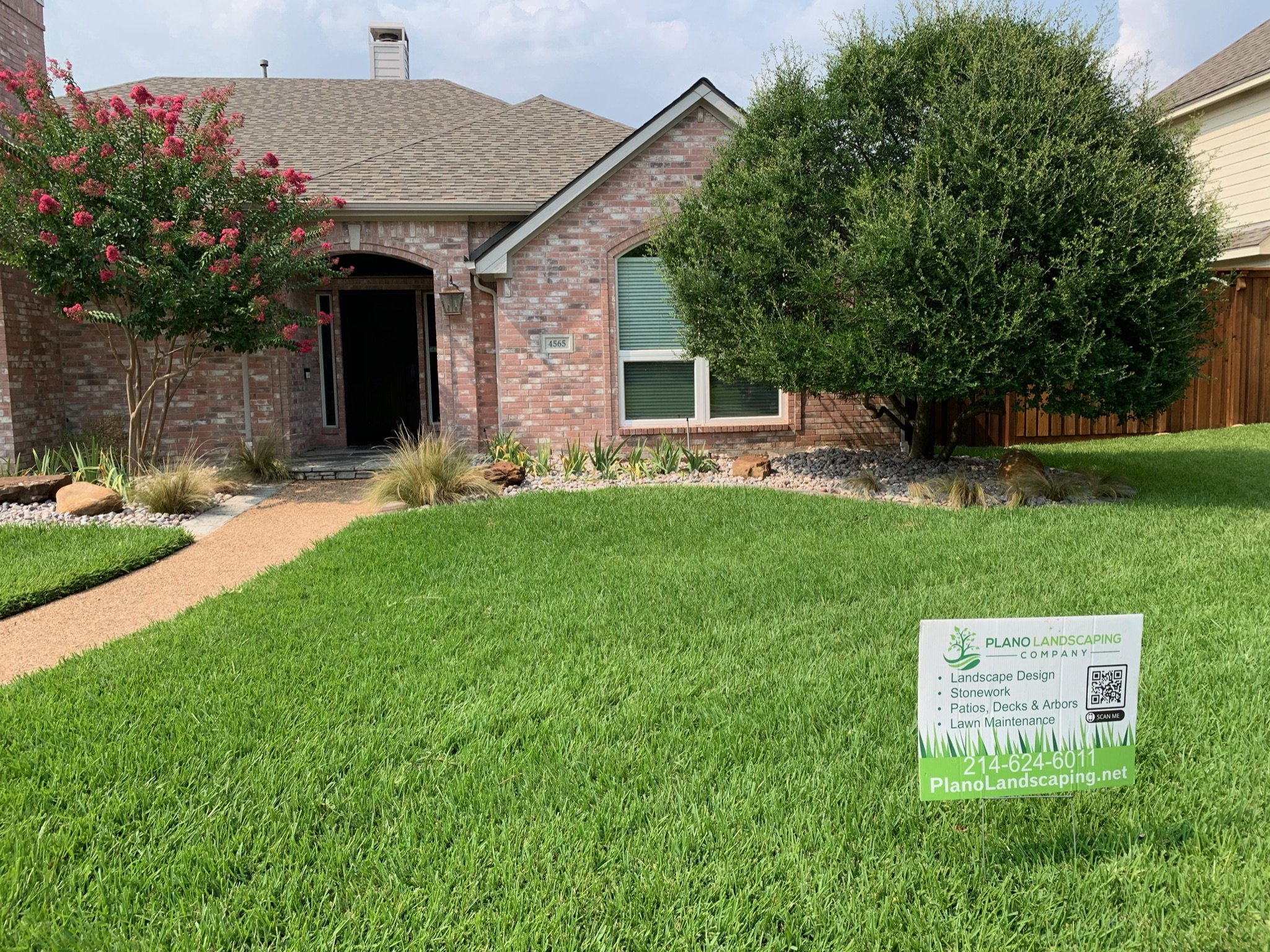
- Removing materials without a plan for what stays so you end up redoing bed edges or relocating plants later.
- Skipping a quick irrigation check if you have sprinkler system installation, because damaged lines can turn a removal project into a repair project.
- Assuming “level is level” instead of confirming how water moves across your yard after removal and before new landscaping installation.
- Overlooking debris control which can leave roots, rocks, or old materials that interfere with new sod installation or paver patio installation.
- Starting hardscape before the base is ready which can create uneven surfaces and more adjustments later.
Customer Checklist
Use this checklist to make your landscape removal planning more straightforward. It’s designed for homeowners and property managers who want a clean yard reset in Plano, TX, without guessing what should happen next.
- Confirm the exact areas to remove (front yard landscaping, backyard zones, side yard paths, and bed lines).
- Point out any irrigation installation components and ask how sprinkler system installation will be protected during removal.
- Note where water pools after rain and discuss how grading should be handled when old materials are removed.
- Decide whether you want only yard removal services or full landscape removal plus prep for a new landscape installation.
- Make sure the scope includes debris removal and a plan for what happens to existing materials.
- Match removal to your next step, such as sod installation, paver patio installation, pathway installation, or landscape design services.
Frequently asked questions
What’s the difference between landscape removal and yard removal services?
Landscape removal typically focuses on clearing existing beds, turf, plants, and related landscaping features so a property is ready for new landscaping installation or hardscape. Yard removal services often describe broader clearing, including general cleanup and unwanted materials across the yard. If your goal is an outdoor living spaces refresh, it’s common to combine both so the area is reset from multiple angles, including drainage considerations.
Can you remove old landscaping without damaging irrigation or sprinkler lines?
Yes, removal should account for irrigation installation and sprinkler system installation components. A professional crew checks for sprinkler heads and line routes before pulling up turf or digging near bed areas. If you already have an irrigation contractor involved, sharing that information during planning helps reduce surprises during landscape removal. If anything must be adjusted, the goal is to coordinate removal and the next irrigation installation steps together.
How do I know if drainage solutions are needed during landscape removal?
Start with observations after rain: where water sits the longest, where soil stays saturated, and where runoff seems to cut new paths. If removal will reset bed edges or hardscape boundaries, grading direction matters. A practical approach is to discuss your yard drainage concerns before removal begins so the base can be prepared for what comes next, whether that is landscape drainage improvements or a new layout supporting lawn care maintenance.
Will landscape removal help with weeds and overgrown beds?
Often, yes. Removing old landscaping and unwanted plant material reduces the “starting point” for weeds and helps reset bed boundaries. However, weed control is also about what you install afterward and how the area is maintained. If you’re planning new planting areas, confirm the intended design and ask how lawn maintenance services or landscape maintenance will fit into your ongoing care plan.
What should I plan next after old landscaping removal?
Removal is the first step, and the next phase should match your end goal. Some customers move directly into sod installation or new lawn installation, while others prioritize paver patio installation, pathway installation, or landscape lighting installation. If you want a more coordinated outcome, consider combining removal with landscape design services so the layout, grading, and irrigation plan align from the start.
Get your Plano yard cleared and ready
If your current landscaping is outdated or getting in the way of a cleaner, more functional outdoor space, Plano Landscaping Company can help coordinate landscape removal with the next steps in your plan.
Contact Plano Landscaping Company
About Plano Landscaping Company
Plano Landscaping Company provides landscaping services for Plano, TX and Collin County, including landscape removal and related installation work. Whether you’re updating lawn care maintenance, irrigation installation, paver patio installation, or landscape design services, our goal is to help homeowners move from an outdated yard to a plan that’s ready for what comes next.