
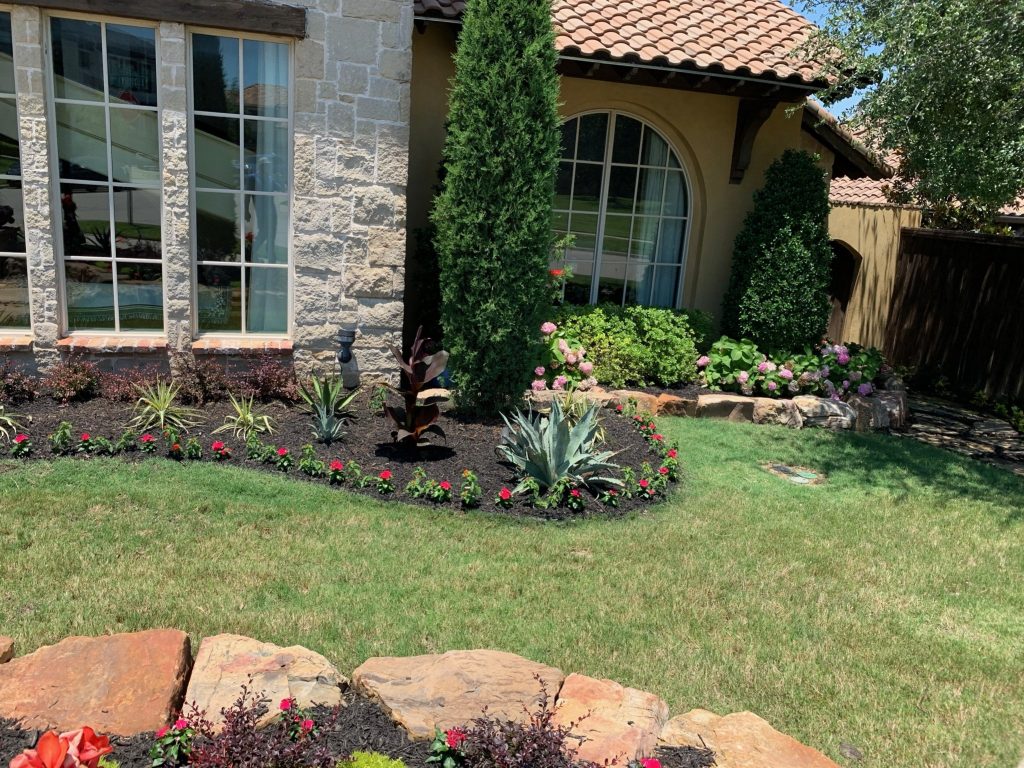
Landscape Installation Ideas for Dallas-Fort Worth Homes
If your Plano, TX property looks fine from the street but feels “off” after rain, heat, or mowing season, it usually comes down to installation choices. This guide walks you through practical landscape installation ideas that hold up around Dallas-Fort Worth homes, plus what to prioritize so your yard looks intentional and functions well.
Maybe you’ve got a backyard patio, but it puddles. Or you have plants that look good in spring, then struggle through Dallas-Fort Worth summers. You’re not alone. Most landscape projects fail in the “in-between” steps: what happens under the surface, how water moves, and whether the layout matches how you actually use the space.
This article helps you connect the dots between ideas and installation details. You’ll see what to plan first, common mistakes that create headaches later, and a checklist you can use when you’re ready to schedule landscape installation in Plano.
Quick Answer
If you want a landscape that looks great and stays functional, start with drainage, irrigation, and a layout that matches how you move through the yard. Choose installation ideas that reduce maintenance stress, like proper landscape removal before new work, well-planned pathway installation for access, and hardscape surfaces that drain correctly. For Dallas-Fort Worth homes, the “best-looking” projects often depend on what’s underneath: grading, base prep, and irrigation coverage. A practical next step is to review your current weak spots (puddling, bare patches, uneven walkways) and plan your improvements in that order.
What to Check First
Before picking plants or browsing patio styles, walk your property like a guest and like a homeowner. You’re looking for patterns that point to installation needs, not just cosmetic changes.
Professional observation: The most visible yard issues usually start below the surface. If water pools, sprinklers miss, or edges are poorly defined, the “fix” often becomes constant patching instead of a one-time improvement.
- Water behavior: After a rain, note where water collects near the foundation, along fences, or at low spots between planting beds.
- Access and movement: Do you walk through mulch, mud, or grass to reach the back door? Pathway installation can change daily convenience fast.
- Sun and shade: Identify where morning sun hits and where heat lingers. This helps you avoid “looks good at first, then fades” plant choices.
- Maintenance reality: Are you mowing around obstacles, trimming constantly, or dealing with bare areas? Plan for landscape maintenance needs during installation.
- What’s already there: Old landscaping removal and edge cleanup can be the difference between a clean new start and a wavy, uneven result.
When you’re ready to plan the full sequence, it can help to review how the installation pieces fit together. For example, coordinating irrigation installation with the rest of your landscape can prevent dry zones and overwatering in the same yard.
Start with the right groundwork
If you’re reworking beds or hardscape, confirm old material is removed so the new base and edges sit properly.
Plan water coverage early
Irrigation placement and coverage should match your planting plan and hardscape layout.
Match the layout to daily use
A yard becomes “livable” when walkways and outdoor living spaces connect the house to the features you actually use.
Main Things Customers Should Understand
Dallas-Fort Worth homes vary, but landscape installation usually comes down to a few repeat themes. Use these ideas as a framework and then tailor them to your property and schedule.
Representative idea set: Many Plano homeowners upgrade in layers, starting with drainage and access, then moving to hardscape, and finally finishing with plants and turf. This keeps the yard usable while you build toward the final look.
| Installation idea | What it solves | Good fit when… | What to ask about during planning |
|---|---|---|---|
| Paver patio installation | Creates a stable outdoor living surface that feels intentional | You want a backyard patio that looks finished and is easier to maintain than irregular stone or patchy concrete | Base prep, proper drainage slope, and edge details |
| Concrete installation | Offers a long-lasting surface for walkways, pads, or small outdoor areas | You want a clean look and straightforward maintenance | Surface layout, joints, and how water will move away from the home |
| Pergola installation | Defines shade and adds structure to outdoor spaces | You want cover for seating or a focal point in the yard | Placement for sun/shade, connection to pathways, and how it affects airflow and water flow |
| Sod installation / synthetic turf installation | Improves usability of the lawn area | You want a yard that looks consistent and supports how your family uses the space | Site prep, irrigation coordination (for sod), and realistic maintenance expectations |
| Landscape lighting | Improves safety and evening curb appeal | You want your front walkway or backyard features to look great after dusk | Placement for pathways and focal points, and low voltage landscape lighting planning |
If you’re comparing options, remember that “best” usually means best for your yard’s constraints. In Plano, that often means designing around sun exposure, keeping water moving away from structures, and building edges and transitions that don’t shift over time.
Why This Matters in Plano, TX
In Plano and across Collin County, homeowners deal with seasons that can swing from intense heat to periods where yards recover. That cycle shows up fast when installation details are mismatched. For example, a patio that doesn’t drain correctly can lead to persistent damp zones near plant beds, and irrigation that isn’t laid out with the hardscape in mind can create dry pockets or overwatered edges.
One firsthand-style pattern we see during residential landscape installs is how customers plan their “visible” upgrades first, then realize the yard’s plumbing and base prep needs attention. When we address those items early, the plants and turf tend to establish more evenly, and the hardscape looks more level and intentional from day one.
Local tip: If you’ve noticed muddy travel paths after rain, prioritize pathway installation and drainage solutions before adding more decorative features. It’s the fastest way to make the yard feel usable.
To connect your outdoor projects, consider how these services work together:
- Planning irrigation coverage alongside planting beds can reduce patchwork later. See sprinkler system installation.
- If you’re updating outdoor surfaces, coordinating hardscape planning helps with water movement. Explore paver patio installation.
- If you want your landscape to feel cohesive, start with design and layout. Review landscape design services.
- If your yard includes decks or arbors, alignment between structures and pathways matters for both access and overall look. Learn more about pergola installation.
Ready to plan a landscape install that fits your Plano property?
Share what you want to improve (patio, pathways, lawn, lighting, or overall layout). Plano Landscaping Company can help you map the right sequence so the finished yard looks better and works better.
Contact Plano Landscaping CompanyCommon Mistakes to Avoid
Most homeowners don’t make “bad taste” decisions. The problems usually come from skipping the installation logic. Here are the common mistakes we see when customers plan landscape installation ideas without the right order.
- Skipping landscape removal before new work: Leaving old material in place can create uneven surfaces, weak edges, and unexpected settling.
- Choosing hardscape before drainage is planned: A patio or walkway that traps water can create ongoing issues for plants and the surrounding soil.
- Underestimating irrigation layout: If sprinkler coverage doesn’t match the final design, you end up with dry patches and constant adjustments.
- Placing pathways without thinking about daily movement: If the path doesn’t match how you actually walk, you will keep cutting corners and compacting the wrong areas.
- Ignoring trimming and landscape maintenance needs: Beautiful plants turn into a chore when the installation doesn’t account for trimming and shrub/hedge trimming expectations.
If you’re considering a full refresh, it can help to review how your current yard is going to be cleared and reset before installation starts. For many projects, old landscaping removal is the step that makes the rest look clean and consistent.
Customer Checklist
- After the last rain, mark the spots where water pools and where it runs off.
- Walk the yard at normal times of day and note where you “avoid” stepping (mud, grass wear, uneven areas).
- Decide which outdoor living feature is your priority: patio, pathways, pergola, fence lines, or lighting.
- Plan irrigation coverage to match the final planting and turf areas, not the current layout.
- Confirm the installation sequence: removal and prep first, then hardscape and surfaces, then plants and finish work.
- Ask how edges will be defined so the new landscape stays crisp and doesn’t blur into lawn.
- Review landscape maintenance expectations for your chosen materials (mowing, trimming, and seasonal care).
A Representative Scenario (Plano Home)
One Plano homeowner wanted a “nicer backyard” without losing the usability of the space. The initial plan focused on upgrading the patio and adding decorative beds. During the walk-through, we identified two practical issues: a travel path that stayed muddy after rain and sprinkler coverage that didn’t line up with where the new layout would be.
The final approach was simple but effective. We planned pathways to match daily movement, coordinated irrigation installation with the planned bed locations, and then built the patio so water could move away from the surrounding plant areas. The result wasn’t just a new look. The yard became easier to use right away, and the rest of the landscape held up better through changing seasons.
FAQs
How do I choose between sod installation and synthetic turf installation in Plano?
Start by matching the surface to how you use the yard. Sod installation can work well when you want a natural lawn feel, but it still depends on site prep and irrigation coordination. Synthetic turf installation is often considered when you want consistent appearance and fewer mowing cycles. Either way, the installation success depends on groundwork and edge transitions, so the base and drainage details should be part of your planning conversation.
What should I do first if I’m planning landscape installation and I have old landscaping?
In most cases, you’ll want to address removal and site prep before installing new beds or surfaces. Old landscaping removal helps prevent uneven areas, weak edges, and mismatched surface heights. Once the yard is cleared and graded, you can plan irrigation, hardscape, and planting with cleaner lines and more predictable results.
Can paver patio installation help with drainage issues?
A paver patio can be part of the solution, but only when drainage is planned correctly. The patio surface and surrounding grades need to guide water away from structures and avoid trapping moisture near plantings. If you’re seeing pooling or damp zones, discuss how the patio will be sloped and how edges will be detailed so water has a clear path.
Do I need landscape lighting if I’m only improving the front yard?
Front yard lighting isn’t required, but it can improve safety and curb appeal, especially along walkways and near entry points. If you’re already adding pathways or updating hardscape, low voltage landscape lighting can highlight those features after dusk. The key is placement, so the light supports how people walk and where you want visual focus.
What’s the most common reason new landscaping looks “off” after installation?
The most common reason is that the visible plan doesn’t match the functional plan. For example, irrigation coverage that doesn’t align with the final bed layout can create dry or overwatered zones. Or edges and transitions that weren’t planned can cause the landscape to blur into lawn instead of looking crisp. When the installation sequence and site preparation are addressed, the finished look tends to stay consistent.
Get a landscape installation plan for your Plano home
If you want the yard to look intentional and be easier to maintain, start with the right sequence: prep, drainage and access, then irrigation coordination and finish details. Plano Landscaping Company can help you map the improvements you need.
Call (214) 624-6011