
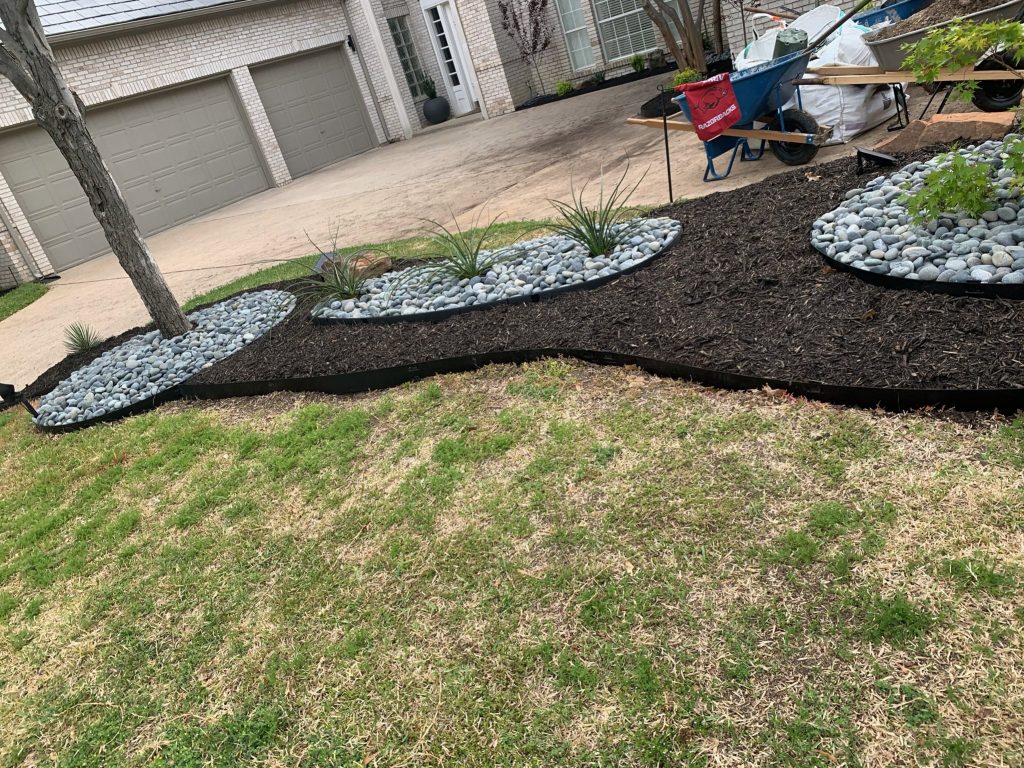
How Often Replacing Sod Keeps Lawns Looking Fresh
If your yard in Plano is starting to show thin spots, uneven color, or areas that never fully “take,” you are not alone. Sod can look great when it is new, but it still has a lifespan and it can fail early when the base, drainage, or irrigation is off. This guide helps you decide when replacement makes sense and what to address so the next section stays healthy.
Picture this: you mow, water, and edge on schedule, but a few patches stay dull and springy, and weeds creep in along the seams. In Plano, that kind of patchiness often shows up after hot stretches, heavy foot traffic, or when irrigation coverage changes over time.
You might be tempted to pull it all up and start over, or you might keep treating it like a maintenance problem. Replacing sod at the right time is usually the smarter move, especially when the issue is localized and you can prevent it from spreading.
- Quick answer
- What to check first
- Main things customers should understand
- Why this matters in Plano, TX
- Common mistakes to avoid
- Customer checklist
- Frequently asked questions
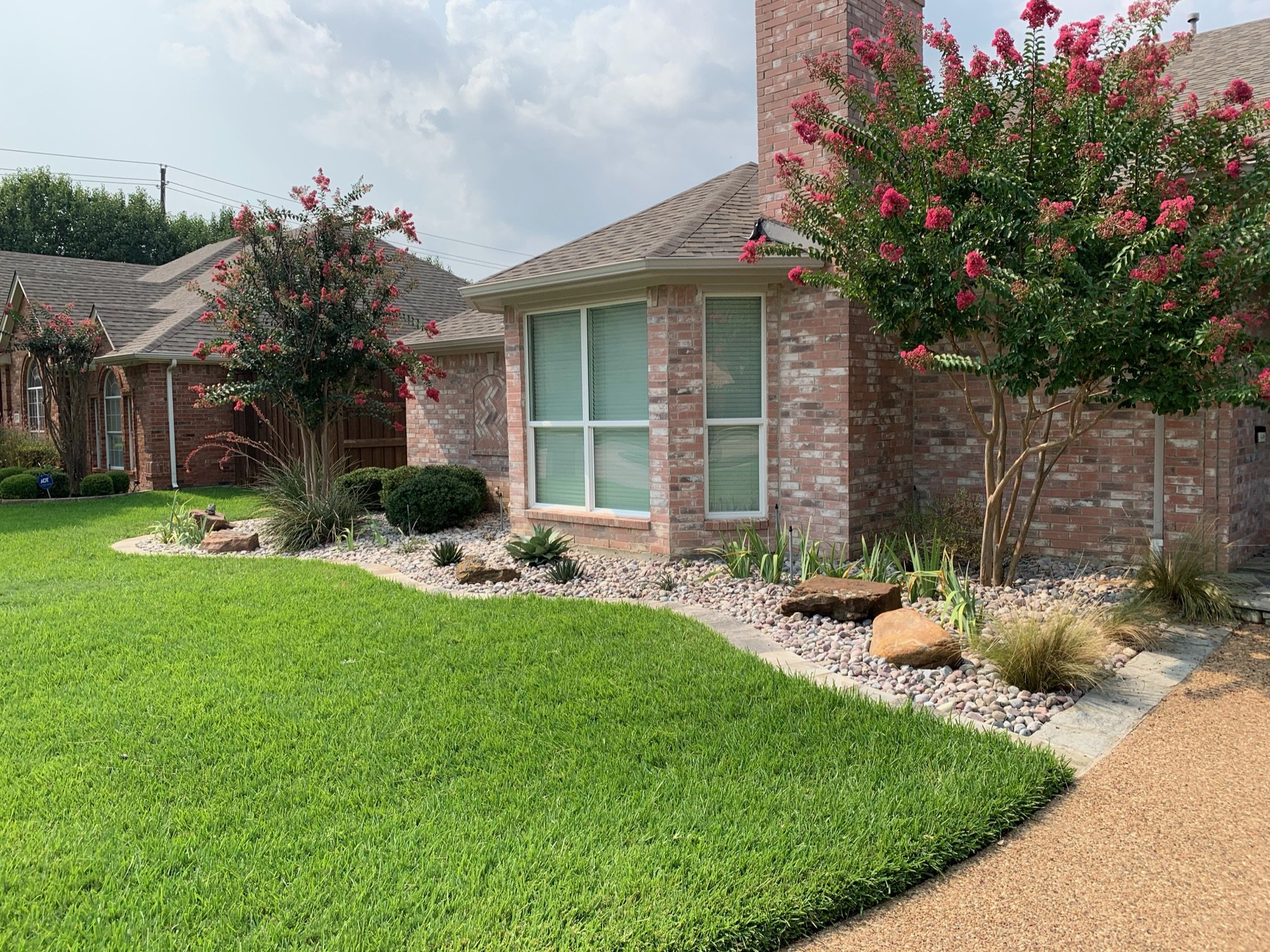
Quick Answer
There is no single “right” schedule for sod replacement. Most homeowners replace sod when the problems are persistent and localized, such as repeated bare patches, seams that keep opening, or areas that stay stressed even after mowing and watering. A practical approach is to inspect your lawn seasonally, then replace only the sections that are failing. Before installing new sod installation, confirm the base is level, drainage is working, and irrigation is covering the area correctly. That is what helps the new lawn blend in and last.
What to Check First
Start with the symptoms, then work backward. If you replace sod without fixing the cause, the new turf often struggles in the same spots. In Plano yards, the usual culprits are poor subgrade preparation, uneven settling, inadequate drainage, and sprinkler coverage that is either missing corners or overwatering low spots.
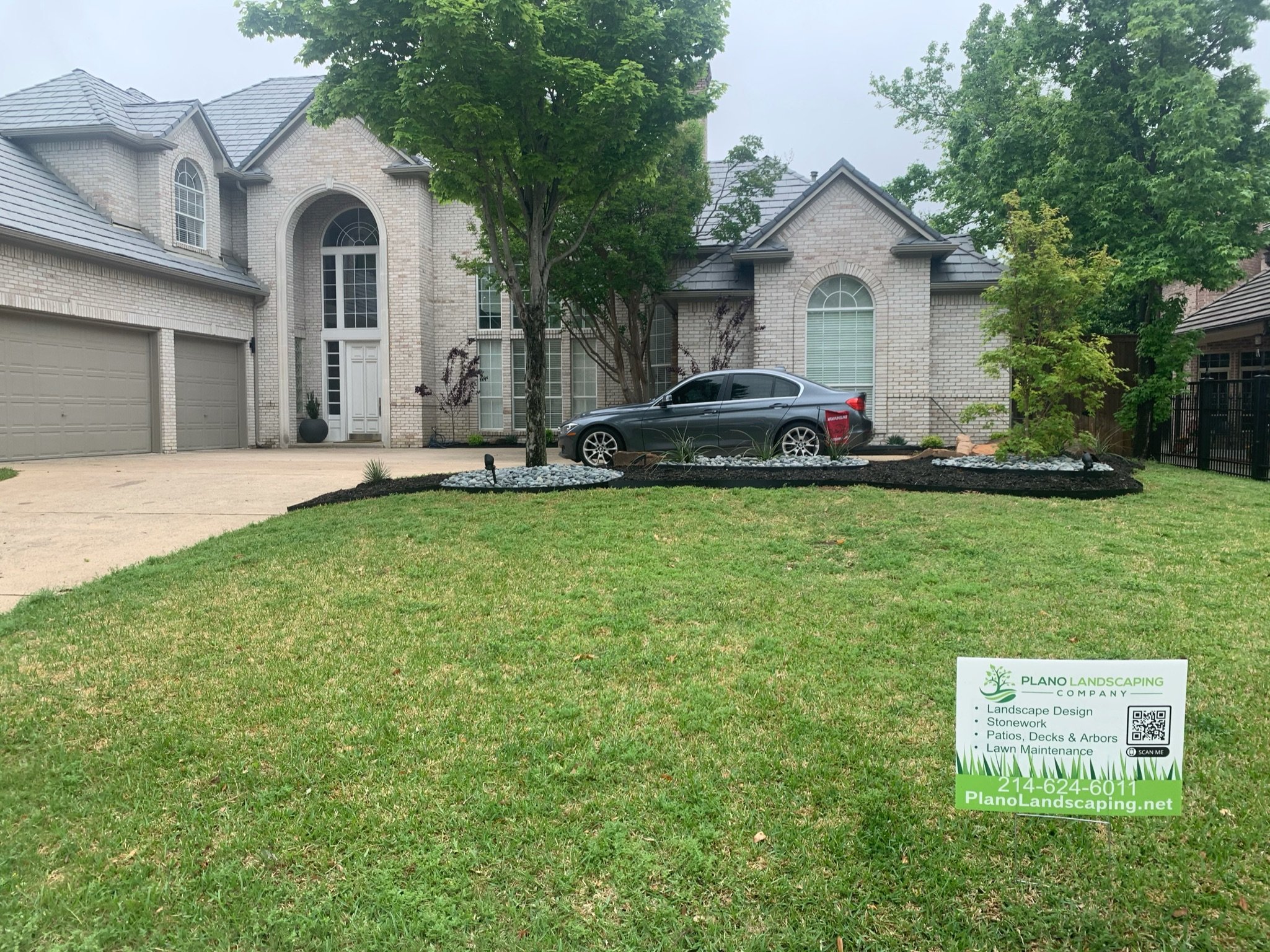
Professional observation: If the lawn looks uneven only in one zone, focus on that zone’s irrigation, slope, and soil base before you assume the sod is “just old.”
Main Things Customers Should Understand
Replacing sod is less about guessing a calendar and more about recognizing when the root zone is no longer performing. Here are the key factors that determine how often replacement is needed and when you should consider a partial re-sod instead of a full lawn reset.
1) The patch “pattern” matters
If thinning follows footpaths, pet routes, or driveway edges, traffic and compaction may be the driver. If it follows a low area after rain, drainage could be the issue. Matching the pattern to the cause helps you choose the correct fix.
2) The base under the turf matters
Sod can look fine at first, but if the soil beneath is uneven or poorly prepared, the turf may not root consistently. That is where a proper landscape installation approach makes a difference.
3) Irrigation consistency
Even good sod can fail if sprinkler heads have shifted, coverage is blocked, or zones are misaligned. Checking irrigation is a practical step before you pay for reinstallation.
In my experience working on Plano properties, many “sod replacement” calls actually start with irrigation symptoms. Coverage gaps create dry edges that look like the turf is dying, while overwatering can soften seams and encourage weeds. When homeowners confirm irrigation coverage and correct drainage, replacement often becomes a smaller, more targeted job.
Helpful way to think about it: If you keep replacing but the same locations fail again, you are likely replanting into the same conditions.
| What you’re seeing | Likely cause | What to do next |
|---|---|---|
| Thin or bare strips that keep returning | Subgrade settling, compaction, or inconsistent moisture | Inspect the area, then consider partial replacement after base and moisture issues are addressed |
| Open seams between sod sections | Edges drying out, uneven ground, or drainage/slope changes | Correct grade and ensure consistent watering before adding new sod |
| Yellow or stressed color in low spots | Water pooling or drainage limitations | Review drainage solutions and yard drainage before re-sodding |
| Weeds spreading at turf boundaries | Gaps at seams or weak root establishment | Address the root cause, then replace only the failing sections |
Why This Matters in Plano, TX
Plano lawns experience swings that make sod performance more sensitive than many people expect. Hot stretches can stress newly established turf, and heavy rain events can highlight drainage weaknesses. If your property has areas that stay wet after storms, it is usually a sign to address drainage solutions and yard drainage solutions before you install or replace sod. When moisture and grade are stable, new sod blends in more naturally and stays greener longer.
Local focus: irrigation and slope
Sprinklers that miss edges or under-water corners are a common reason homeowners see repeated failure in the same zone. Confirm the coverage pattern and make adjustments as needed.
Local focus: drainage after rain
If water lingers, turf roots can struggle. In those cases, improving landscape drainage and re-establishing the lawn is often the path forward.
Local focus: blending new sections
Partial replacement can look great when the base is matched and watering is consistent. The goal is not just “new grass,” but a lawn that looks uniform.
Need help deciding whether to replace sod or fix the cause?
Plano lawns often fail in the same spots for the same reasons. If you want a practical plan for sod replacement and the right supporting fixes, contact Plano Landscaping Company.
Call (214) 624-6011Common Mistakes to Avoid
Most sod problems do not come from mowing mistakes alone. Here are common homeowner missteps that lead to repeated re-sodding and uneven results, especially when the underlying issue is irrigation coverage or drainage.
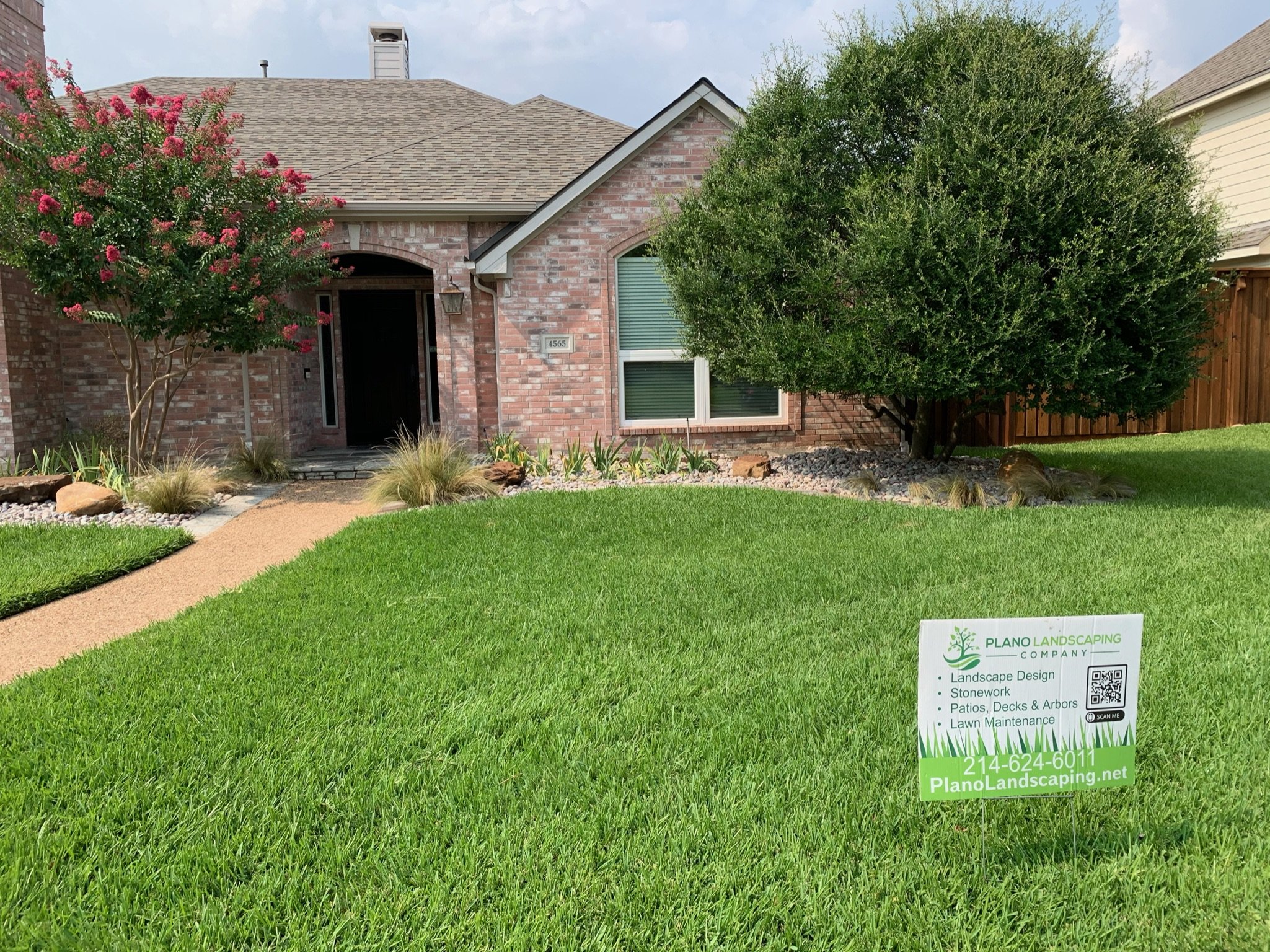
- Replacing without inspecting the base. If the subgrade is uneven or compacted, new sod can fail in the same way.
- Overwatering to “help it root.” Too much water can weaken root establishment and worsen seam separation.
- Ignoring drainage after rain. If water pools, the turf will struggle no matter how fresh the sod is.
- Skipping irrigation checks. Misaligned sprinkler zones often create the same dry or overly wet patch again.
- Waiting too long to address small areas. Small failing sections can widen as weeds and compaction spread.
Customer Checklist
Use this checklist to evaluate your lawn in Plano, TX before you commit to sod replacement. It keeps the decision grounded in what you can observe, and it helps ensure the next installation is more likely to succeed.
- Walk the lawn and mark problem zones where turf is thinning, stressed, or opening at seams
- Check whether the pattern matches foot traffic, pet routes, or edges near hardscape
- After rain, note where water pools or where the ground stays saturated longer than other areas
- Run your sprinklers and confirm coverage reaches the full problem zone (no dry corners)
- Look for signs of compaction where equipment or vehicles may have passed
- Decide whether partial sod installation fits the scope, or whether broader landscape work is needed
- Plan a recheck after installation to confirm watering and grade are stable
Representative Scenario
A Plano homeowner had two narrow strips of lawn that stayed lighter than the rest, even after regular mowing and watering. The strips lined up with sprinkler coverage gaps and a slightly low area near the walkway. Instead of replacing the entire yard, they focused on correcting irrigation coverage and addressing the low spot, then installed new sod sections to match the surrounding lawn. The result looked more even because the cause was addressed, not just the symptom.
Frequently asked questions
How do I know whether to replace sod or just keep maintaining it?
If the problem stays in the same area over multiple mowing cycles and it does not improve with watering adjustments, replacement becomes more likely. Also consider replacing when seams keep opening, weeds are spreading from the edges, or the turf remains stressed even when the rest of the lawn looks healthy. A quick inspection of irrigation coverage and drainage conditions in the failing zone is usually the best first step before you decide.
Can partial sod replacement help a lawn look uniform again?
Yes, partial replacement can blend well when the base is prepared correctly and the watering is consistent. The key is matching the grade and moisture conditions so the new turf can root and connect at the seams. If the failing zone is caused by drainage or sprinkler coverage, fixing those issues first is what helps partial replacement look natural rather than “patched.”
What usually causes sod seams to open?
Seams often open when the ground is uneven, edges dry out, or the area receives inconsistent moisture. In some Plano yards, slight slope changes or sprinkler overlap gaps can show up as seam separation over time. Before re-sodding, it helps to confirm irrigation coverage and check whether drainage is pulling water away or allowing pooling that affects the seam.
Does irrigation matter if my lawn looks “dry”?
Yes. Dry-looking areas are frequently connected to sprinkler coverage that misses the zone, watering schedules that do not match the lawn’s needs, or heads that shift over time. If you re-sod a dry patch without correcting irrigation, the new turf can struggle again. If you want to improve sprinkler system installation and irrigation consistency, explore sprinkler installation and irrigation support.
When should I consider landscape drainage solutions?
Consider drainage solutions when water pools or stays saturated in the same spots after rain. Turf in low areas can look stressed or uneven because roots do not get the right balance of moisture and oxygen. Correcting drainage before or alongside sod replacement can prevent the same failure from repeating. If your lawn struggles only in certain zones, focus on those zones first.
Get a practical plan for your Plano sod replacement
Whether you are addressing small patchy areas or planning broader landscape work, Plano Landscaping Company can help you choose the right next step. Start with a quick conversation about what you are seeing in your yard.
Visit planolandscaping.netAdditional related services homeowners ask about
If you are reworking your lawn, these are common companion services that help the yard look finished and stay healthy over time. For example, if you need to clear old turf before new landscape removal, or you want to upgrade the surrounding outdoor living areas, we can coordinate the scope with your sod plan.
Landscape removal
Old landscaping removal can be the first step when a lawn needs a clean, consistent base.
Landscape lighting
When your yard is refreshed, consider landscape lighting installation to highlight paths and new edges.
Outdoor hardscape coordination
If you are also updating patio areas, explore paver patio installation for a cohesive look.

About Plano Landscaping Company
Plano Landscaping Company provides landscaping services across Plano, TX and surrounding Collin County, TX. From sod installation and landscape installation to irrigation installation and outdoor upgrades, we focus on practical, homeowner-friendly improvements that help yards look fresh and stay functional.