
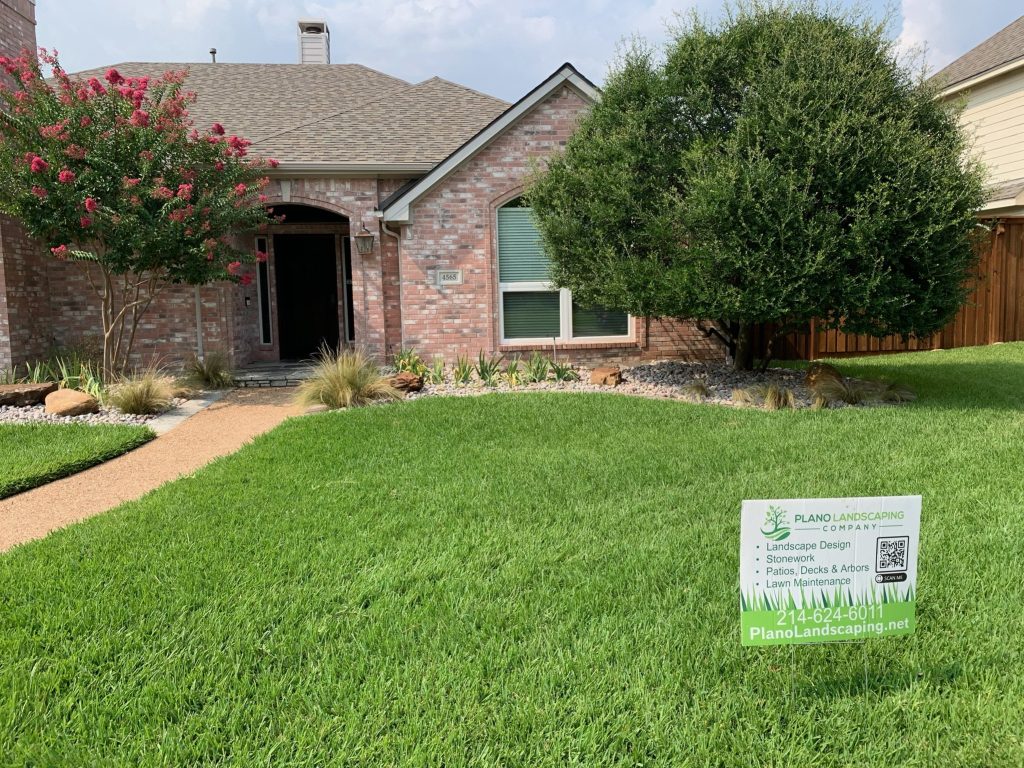
Emergency Sod Installation Near Me for Patchy Lawns
If your Plano lawn has thin, bare, or patchy spots after construction, heavy foot traffic, or a sprinkler issue, you need more than “fresh grass.” Proper emergency sod installation focuses on quick prep, correct base leveling, and a short-term care plan so the new sod roots in instead of drying out or lifting.
One morning the lawn looks fine, and by evening there is a new bare patch. In Plano, TX, that can happen after a utility repair, a sprinkler line break, a small yard drainage problem, or even a localized washout after a hard rain.
Patchy grass is more than cosmetic. Exposed soil can dry quickly, compact underfoot, and start to pull moisture away from the surrounding turf. This guide helps you understand what “emergency sod installation” should actually include, how to spot the cause behind the bare areas, and what to ask before work begins.
- Quick answer
- What to check first
- Main things customers should understand
- Why this matters in Plano, TX
- Common mistakes
- Customer checklist
- Frequently asked questions
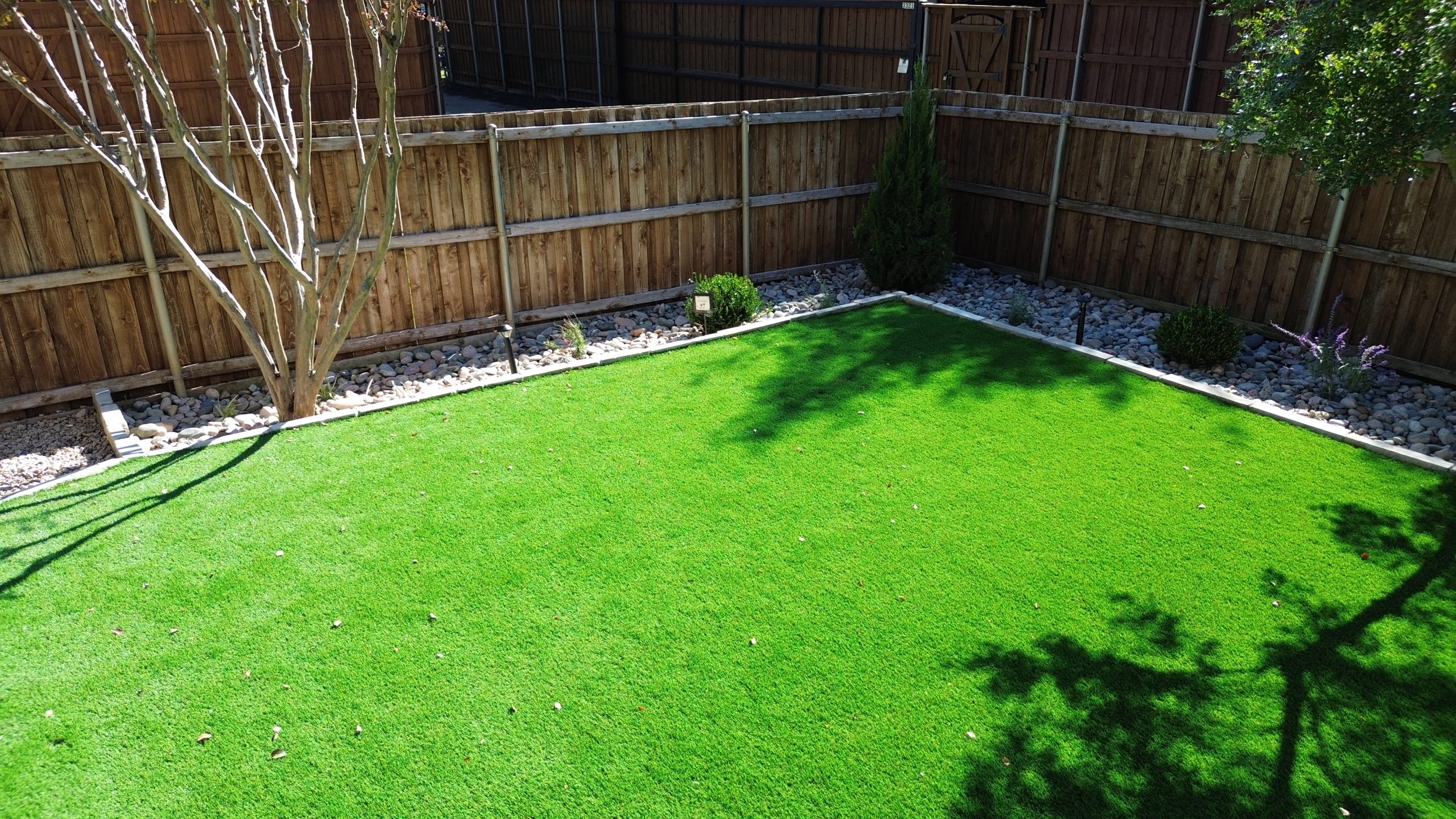
Quick Answer
If your lawn has patchy or bare areas and you need sod results quickly, the fastest path is usually: fix the cause (watering or drainage), remove dead or damaged turf and loosen the base, then install matching sod with tight seams and proper rolling. Ask your contractor how they prep the soil and manage the first two weeks of watering and foot traffic. For Plano properties, make sure the sprinkler coverage is working correctly before the new sod is laid, or the patch will return.
What to Check First
Before sod goes down, take a few minutes to identify what created the bare spot. If the issue was simply worn turf, sod can blend well. If the cause persists, the new sod will struggle even if the installation looks good.
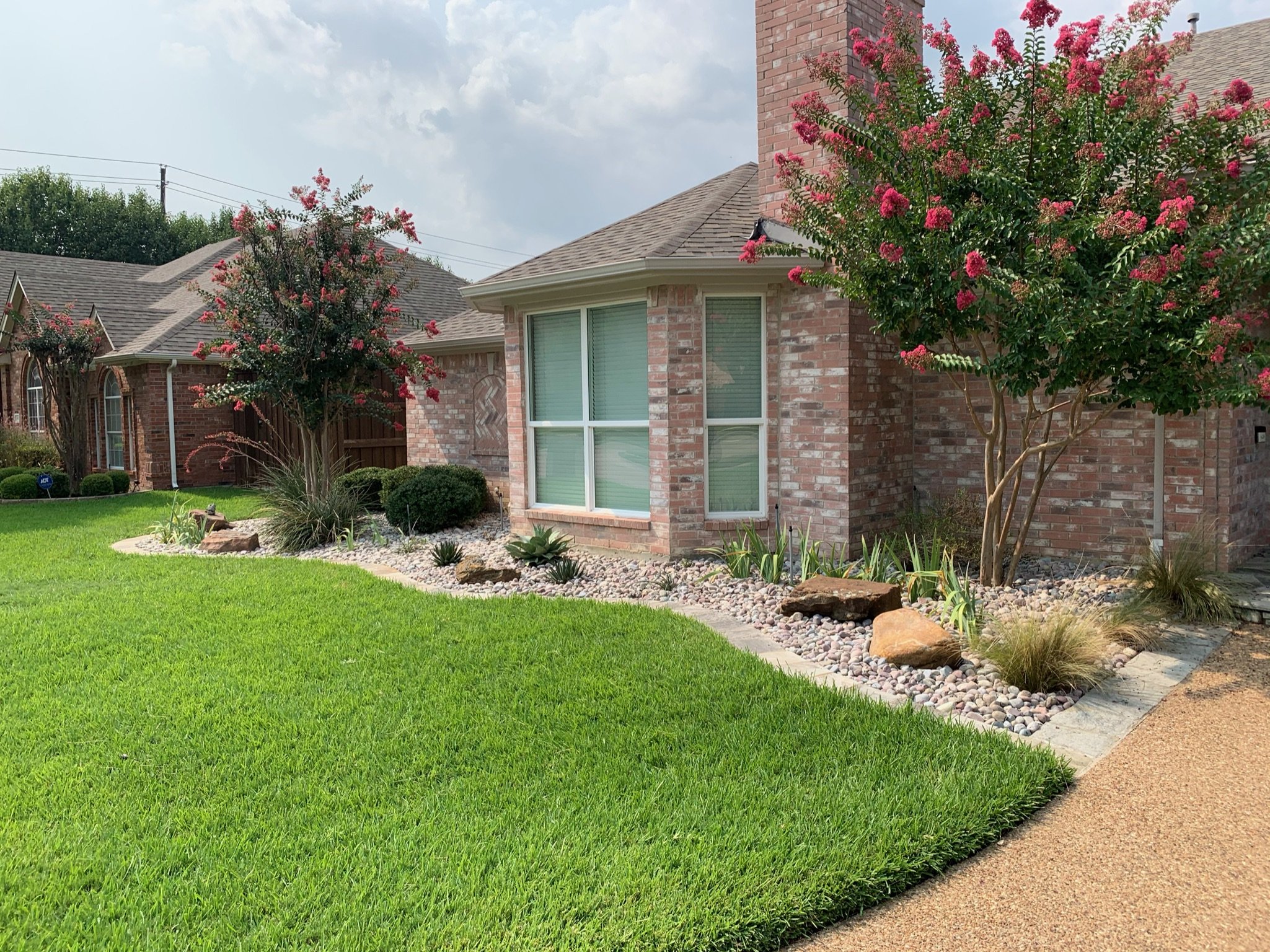
Professional observation: Emergency sod is only “emergency-proof” when the underlying moisture problem is addressed. If water is uneven or drainage is causing washouts, patchy turf comes back faster than most homeowners expect.
Check irrigation coverage
Look for dry zones, over-sprayed sidewalks, or soggy corners. A small sprinkler coverage gap can create a dead patch that spreads outward.
Inspect for drainage issues
If the bare area appears after heavy rain, water may be running off in the wrong direction or pooling where it should not.
Confirm the spot’s size and shape
Small irregular areas often need careful trimming and seam matching. Larger zones may require more base prep to keep the surface level.
If your patchy lawn follows a sprinkler or irrigation problem, it can be worth reviewing your system before you schedule sod. You can also explore how sprinkler installation and irrigation is handled so the new sod gets consistent moisture during root establishment.
Main Things Customers Should Understand
Emergency sod installation is not only laying rolls. The difference between a temporary bandage and a lasting repair is usually in the prep work and the first-care window.
What “good” emergency sod installation looks like: clean removal of failed turf, base leveling so edges do not become trip points or low spots, tight seams to reduce drying, and a watering plan matched to your sunlight exposure and irrigation layout.
In many Plano yards, the most common reason sod “doesn’t take” is that the base stays too compacted, too uneven, or too wet. A careful installer addresses that before the new turf is installed, so the roots can make reliable contact with the soil.
| Decision point | When patch repair with sod makes sense | When full lawn installation is worth considering |
|---|---|---|
| Size of bare area | Localized patches, edges, or small zones | Widespread thinning across multiple sections |
| Cause identified | Moisture or drainage issue is corrected for that area | Multiple areas show inconsistent watering or recurring drainage problems |
| Surface level | Base can be prepped and leveled for clean seams | Yard grading is inconsistent over larger sections |
| Time sensitivity | You need the look restored quickly while you fix the root cause | You can plan a longer project window for full consistency |
If the patch is tied to old or damaged landscape materials, it may also be helpful to plan the surrounding cleanup. For example, you can review landscape removal so the sod repair area is clear and properly prepped.
Why This Matters in Plano, TX
Plano weather swings can make a patchy lawn feel urgent. Warm days and sun exposure can dry exposed soil quickly, while heavy rain can wash out low spots or reveal drainage pathways. In Collin County, homeowners often see bare patches after yard work, small construction projects, or sprinkler setbacks that leave one corner under-watered.
From a hands-on perspective, the “worst” emergency sod situations are usually the ones where the base was disturbed and then left to settle unevenly. Even when the sod looks great at first, an edge that dries or a seam that lifts can turn into a wider problem. Taking time to prep and level is what helps the repair blend.
When you need a coordinated approach, it can help to consider the bigger yard system, not just the turf. If you have irrigation needs, you can also explore lawn care and maintenance so the repair period includes ongoing care that matches your lawn’s conditions.
Need emergency sod help in Plano?
Get a practical repair plan for patchy areas, including base prep and watering guidance.
Call Plano Landscaping CompanyCommon Mistakes to Avoid
Homeowners often try to fix the symptom first, but emergency sod repairs work best when you avoid a few common pitfalls.
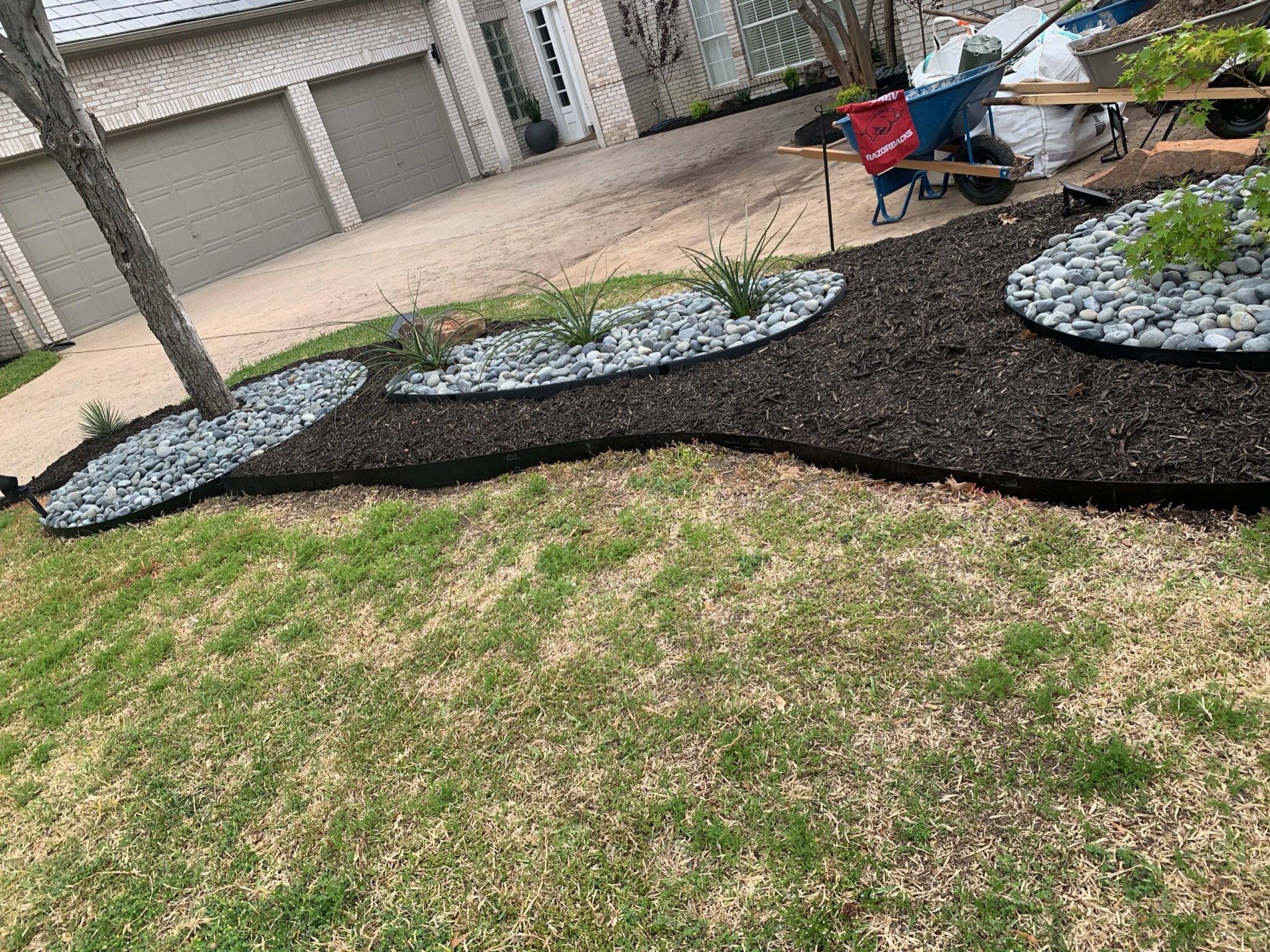
- Installing sod over compacted or uneven soil: If the base is not loosened and leveled, roots struggle to establish and seams can separate.
- Skipping the cause check: If a sprinkler zone is misaligned or a drainage path is active, the patch will reappear.
- Overwatering immediately: Too much water can keep the base saturated, which can slow rooting and increase lifting risk.
- Walking on it too soon: Foot traffic and pets can create depressions that dry out edges.
- Letting edges dry out: If seams are gapped, the outer border becomes the first failure point.
If the patch is part of a broader landscape update, it can also help to coordinate the sequence. For example, you may want to plan sod installation services alongside other landscape work so the yard is prepped once, not repeatedly.
Representative Scenario
Consider a Plano homeowner who notices a brown, thinning rectangle after a recent repair near the curb. They schedule sod quickly, but the next week the edges look stressed. A closer check shows the sprinkler heads nearby were bumped and now spray the street more than the lawn. The solution is not only reworking the sod seams, but also adjusting the irrigation coverage so the repaired turf receives consistent moisture while it roots in.
Frequently asked questions
How soon can sod be installed after removing dead or damaged turf?
In most emergency situations, the goal is to keep the base ready and the new sod from drying out before it’s installed. A good installer will remove failed turf, prep the base, then lay sod promptly with tight seams. The exact timing can depend on how wet or compact the soil is after removal, and whether irrigation or drainage adjustments are needed first.
What should I do the first week after emergency sod installation?
Your first week plan should focus on steady moisture and limiting stress on seams. That usually means following the watering guidance provided for your sprinkler layout, keeping foot traffic low, and avoiding mowing until the sod is established. If you notice uneven drying or pooling, address it early, since those patterns can widen the repaired area.
Can emergency sod fix a patch caused by drainage problems?
Sod can provide a fast visual repair, but it will not hold well if water continues to run off the yard in the same way. If the patch appears after rain or stays soggy in certain spots, the base may need additional grading and the watering patterns may need adjustment. The best results come when drainage solutions are handled alongside the sod repair.
How do I know if the issue is irrigation coverage or something else?
Look for repeating patterns. If the patch aligns with a sprinkler zone edge, it often points to coverage or head alignment. If the patch shows up after heavy rain regardless of watering, drainage or grading is more likely. A professional can also compare moisture levels across the yard and confirm whether the irrigation system matches the lawn’s needs.
Should I replace all the sod or only repair the patch?
Localized sod repair is often the right approach when the damage is limited to a specific area and the cause is corrected. Full lawn installation can be considered when thinning is widespread or the yard grading and watering patterns are inconsistent across large sections. A contractor can help you evaluate how much base prep is required and what will blend best with the surrounding turf.
Get a clear plan for your patchy lawn
Plano homeowners can request an on-site assessment for emergency sod installation, including prep and a short-term care approach.
Schedule Sod Installation
About Plano Landscaping Company
Plano Landscaping Company provides landscaping services for homeowners and property managers across Plano, TX and Collin County, including sod installation, lawn care maintenance, and related yard upgrades. Their approach focuses on practical site preparation and coordinated yard care so turf repairs look better and hold up.