
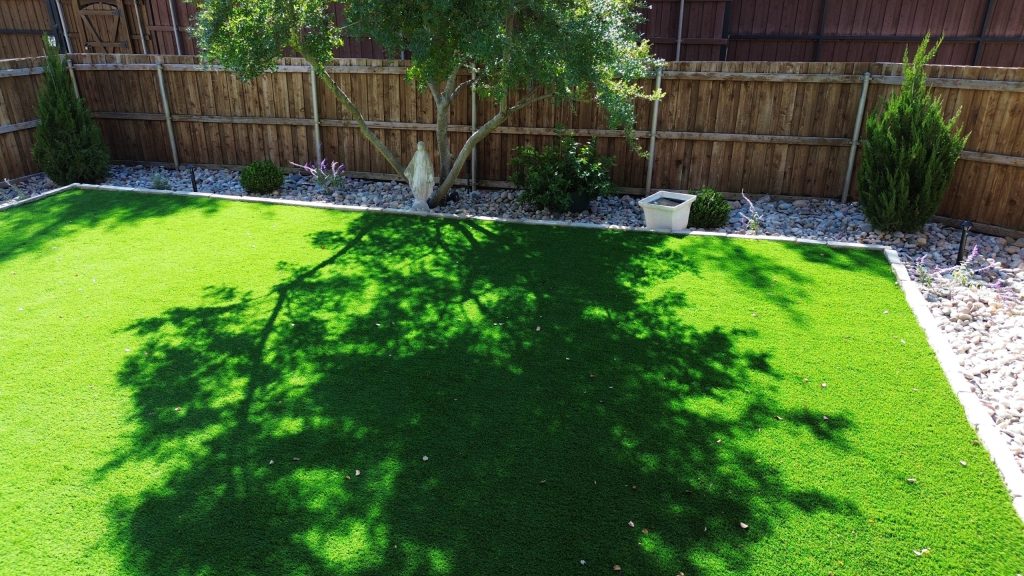
Curated Landscape Installation with Stunning Texture Contrast: How to Build a High-End Look That Actually Lasts in Plano
Last fall, a homeowner in Plano showed Plano Landscaping Company a photo they loved—layered stonework, crisp edges, and a yard that looked “finished” from every angle. Then they pointed at their own driveway approach and said, almost apologetically, “Why doesn’t ours look like that?”
We see this mismatch all the time. It’s rarely about effort. It’s usually about installation decisions—grading, base prep, material transitions, drainage, and the way textures are paired (or not paired) in a real yard that has real movement, sun exposure, and weather swings.
In this guide, we’ll walk through how we design and build landscape installation projects with intentional texture contrast—what to do, what to avoid, and how to keep the result looking sharp through the years across Collin County and the surrounding areas.
Quick Answer
If you want landscape installation that looks premium (not patchy or “stuck-on”), focus on three things during planning and installation:
1. Texture contrast with restraint: pair materials with different visual textures (stone, pavers, planting beds, turf) but keep transitions clean and consistent.
2. Drainage and base performance: the “look” depends on stable ground—settling, erosion, and water pooling ruin texture and edges over time.
3. Precise edges and transitions: curbs, borders, pathways, and planting bed lines are where most projects either look custom or look unfinished.
For local help, Plano Landscaping Company builds these elements together—design, installation, irrigation/sprinklers where needed, and maintenance planning—so the yard doesn’t lose its shape after the first heavy rain.
Why Texture Contrast Looks Great (and Where It Goes Wrong)
Texture contrast is one of the fastest ways to make a yard feel curated. But “contrast” doesn’t mean random variety. In practice, it means you’re balancing:
- Visual texture (smooth vs. rough surfaces, fine vs. chunky stone)
- Scale (large-format pavers vs. smaller stepping stones)
- Rhythm (repeating patterns across pathways, borders, or patio edges)
- Light behavior (how materials reflect sun and show shadows)
When we plan a project, we look at it like a layered composition—not a collection of parts.
The most common failure we see
People often pick multiple attractive materials, then install them without controlling transitions and drainage. The result is usually one of these:
- Edges crumble or spread because the base wasn’t built for long-term load and water flow
- Pavers or stone shift because the subgrade wasn’t stabilized or the drainage path wasn’t corrected
- Planting beds look messy because mulch lines and shrub trimming aren’t maintained with a defined plan
- Water stands in the wrong places because irrigation installation and yard drainage weren’t coordinated
What Most Customers Get Wrong About Landscape Installation in Plano
We’ll say it plainly: a lot of “landscaping services” focus on surface beauty and treat the ground as an afterthought. In Plano and across Collin County, that’s a recipe for callbacks.
Here’s what customers and competitors often miss:
1) They underestimate drainage and yard runoff
Even when the yard looks flat, water still follows subtle slopes, compacted soil layers, and driveway runoff paths. If drainage solutions aren’t planned early, you get:
- mud at the edges of patios and pathways
- erosion in planting beds
- washouts around paver patio installation areas
- stagnant spots that encourage weeds
If you’re dealing with recurring wet areas, it’s worth reviewing landscape removal and rework options before you try to “cover it up.”
2) They pick textures that don’t belong together
For example, mixing very smooth concrete textures with highly irregular stonework can look sharp—or it can look chaotic—depending on how transitions are handled. The right approach is to choose one “anchor” material and let other textures support it.
3) They ignore long-term maintenance at design time
Texture contrast looks best when everything stays crisp: trimmed shrubs, clean bed lines, and lawn care maintenance that doesn’t let weeds or uneven growth blur the design.
We often recommend pairing installation decisions with a realistic maintenance plan, like lawn care maintenance for ongoing upkeep.
4) They treat irrigation and layout as separate projects
A beautiful yard can still struggle if sprinkler system installation doesn’t match planting layout and hardscape edges. We coordinate irrigation installation with planting zones so water coverage supports the look—not undermines it.
If you’re planning a new system, start with sprinkler system installation and align it with the landscape layout.
Our Take After Working With Local Customers: Texture Contrast That Holds Up
Texture contrast should feel intentional from the curb and from the patio—because the yard is built to handle traffic, weather, and time.
In our experience, a “high-end look” usually comes from these details:
Clean transitions between hardscape and planting
- Defined borders around planting beds
- Consistent edge lines along pathways
- Mulch depth and bed shaping that don’t drift
- Shrub trimming schedules that keep forms tight
If your yard currently feels like it has “random landscaping,” that’s often a transition problem more than a plant selection problem.
Stable surfaces for patios, pathways, and arbors
Texture contrast is only as crisp as the surface beneath it. That means proper base preparation and installation of major surfaces—patios, pathways, and areas around pergolas or arbors.
If you’re considering outdoor living spaces, we’ll often pair surface work with structures like pergolas and arbors. For example, see pergola installation or pathway planning via pathway installation.
Coordinated lighting (so textures look good at night, too)
Textures don’t just matter in daylight. Low-voltage lighting can reveal stonework, highlight pathways, and make the whole yard feel designed after dark.
We recommend planning for landscape lighting early so fixtures don’t end up shoved into finished beds.
How This Applies to Plano + Collin County (Real-World Local Considerations)
Plano yards have a specific mix of realities:
- Seasonal heat that stresses turf and foundation-adjacent landscaping
- Sudden downpours that challenge drainage and hardscape edges
- Neighborhood expectations—people want curb appeal that looks “complete,” not temporary
We see the same pattern in Collin County: homeowners want a landscape that looks custom, but they also want it to be practical—easy to maintain, resistant to shifting, and able to handle water movement.
That’s why our projects often include a combination of:
- Landscape installation with a clear plan for grading and drainage
- Hardscape work where texture contrast shows up most (paver patio installation, pathways, and concrete surfaces)
- Irrigation installation matched to planting needs
- Maintenance support so the yard keeps its sharp lines
If you’re starting from a yard that’s already overgrown or uneven, the first step is sometimes landscape installation after appropriate landscape removal—not just planting new material into an existing, compromised layout.
A Strategy That Works: Texture Contrast Installation Checklist
Use this framework when planning your project—whether you’re building from scratch or upgrading an existing yard.
Step-by-step checklist (before anyone starts digging)
1. Walk the property after a rain (or simulate water flow)
- Identify where water pools, runs, and erodes.
2. Pick an “anchor” texture
- Choose the main hardscape element that defines the look (often pavers, stonework, or concrete).
3. Add supporting textures, not random variety
- Use contrast to guide movement: patio → pathway → entry → seating areas.
4. Plan edges like they’re part of the design
- Clean borders prevent the “blurry” look that happens when materials spread.
5. Coordinate irrigation with planting zones and hardscape lines
- Avoid watering runoff areas and dry spots.
6. Design for maintenance
- Confirm how shrub trimming, hedge trimming, and landscape trimming will be handled season to season.
7. Decide what you want to feel like year-round
- If you want a consistently clean green look, discuss sod installation or synthetic turf installation options.
If you’re comparing turf approaches, we can help you understand what fits your sun exposure and maintenance preferences—especially if you’re considering sod installation or synthetic turf installation alternatives.
Quick Comparison: DIY vs. Professional Installation (Where the “Look” Breaks)
| Area | DIY approach | Professional approach |
|---|---|---|
| Base prep & grading | Often rushed or guessed | Measured and built for stability and water movement |
| Texture transitions | Inconsistent lines and height mismatches | Clean, deliberate interfaces that stay crisp |
| Drainage solutions | Treated after problems occur | Planned during layout to prevent pooling and erosion |
| Long-term maintenance | “Figure it out later” | Built into planning (trimming, irrigation, surface longevity) |
This isn’t about discouraging DIY. It’s about recognizing that the premium look you’re aiming for depends on work that’s hard to do correctly without experience—especially where surfaces meet and where water goes.
FAQ: Texture Contrast Landscape Installation
How do I know if I need landscape removal before installing new materials?
If you have uneven areas, failing edging, persistent weeds, or muddy zones that keep returning, removal is often the difference between a “nice upgrade” and a lasting transformation. We evaluate the existing base and drainage condition. If the ground is unstable or water is already moving incorrectly, new pavers, pathways, or planting won’t hold the look for long—even with great materials.
What should I ask a masonry contractor or stonework contractor before they start?
Ask how they’ll handle base preparation, drainage paths, and transitions between materials. Also ask what they recommend for edges (bordering, leveling, and support). Texture contrast is only as good as the installation details—so you want clarity on how they’ll prevent shifting, settling, and water-related damage.
Why does my patio or pathway look fine at first, then gets uneven?
Most unevenness comes from base issues and drainage problems. If water can’t drain properly, soil can soften and materials can settle unevenly. Poor edge support and inconsistent installation can also lead to spreading or height differences. A well-built surface stays aligned because the supporting layers and drainage were designed from the start.
How long does landscape installation usually take in Plano?
Timelines vary based on scope—removal, grading, hardscape installation, irrigation installation, and finishing. Weather can also affect outdoor work. A clear plan and sequencing matter: we typically build the foundation first (grading/drainage/base), then install the hardscape surfaces, then complete planting and final details. Your project schedule should reflect that order.
Ready to Build a Texture Contrast Yard That Stays Sharp?
If you’re ready for landscape installation that looks intentional in daylight and holds up through real Plano weather, Plano Landscaping Company can help you plan the textures, transitions, and drainage so the finished result feels truly “custom.”
Explore landscape design or reach out to get a practical plan for your property.
About the Company
Plano Landscaping Company is a local landscaping team serving Plano, TX, and nearby areas across Collin County. We focus on professional landscaping services that blend design intent with installation fundamentals—especially where drainage, irrigation installation, and hardscape transitions determine whether a yard looks great for years or just for a season. From pathway installation and paver patio installation to pergola installation and ongoing landscape maintenance, our goal is simple: help you create outdoor living spaces that look as good as they perform.